New Year, New You -- Let's Get Fit
Here's the truth: 80% of New Year fitness resolutions fail—but not because you lack motivation. They fail because you're drowning in conflicting advice, overpromised products, and paralyzing choices that drain your wallet and your willpower by February.
This guide cuts through the noise with science-backed recommendations across fitness equipment, wearables, nutrition, and recovery tools—all tested for real results on realistic timelines. You'll discover what actually works within your budget and how to build a sustainable system that fits your life, not one that demands you overhaul it.
🚀 Get FREE 2-Day Shipping with Amazon Prime
Try Amazon Prime FREE for 30 days! Enjoy fast, free delivery on millions of items, plus exclusive access to movies, TV shows, music, and more.
Start Your Free Trial →No commitment. Cancel anytime during the trial.
Our Top Picks
Brazyn Morph Foam Roller (Alpha-Orange)

Overview: A collapsible foam roller that expands to full size (5.5" diameter, 14.5" long) for muscle recovery and compresses to under 2 inches thick for portability.
Pros:
- Expands and collapses in seconds with pull ropes and disk compression; weighs only 1.5 lbs for genuine bag portability
- Hand-assembled with 60+ components and tested to support 350 lbs; made from bamboo and recyclable aluminum
- 4.5/5 rating across 1,277 reviews with consistent praise from runners, CrossFit athletes, and physical therapy patients
Cons:
- $79.95 price point is significantly higher than standard foam rollers; the premium is justified by engineering but may deter budget-conscious buyers
- Requires proper technique to collapse; some users report difficulty with the push-disk mechanism initially
Best For: Frequent travelers, commuters, and serious athletes who prioritize recovery consistency and won't compromise on portability for their New Year fitness goals.
Quick Comparison Table
| Product | Price | Rating | Reviews |
|---|---|---|---|
| Brazyn Morph Foam Roller (Alpha-Orange):... | $79.95 | 4.5/5.0 ⭐ | 1,277 |
| TriggerPoint Grid 1.0 Foam Roller - 13" ... | $29.99 (25% off) | 4.7/5.0 ⭐ | 23,320 |
| ProsourceFit Acupressure Mat and Pillow ... | $22.49 (25% off) | 4.3/5.0 ⭐ | 11,641 |
| Liquid I.V.® Hydration Multiplier - Lemo... | $23.46 (5% off) | 4.6/5.0 ⭐ | 273,248 |
| REDMOND Re-Lyte Hydration Electrolyte Po... | $44.99 (10% off) | 4.6/5.0 ⭐ | 11,187 |
| Ultima Replenisher Daily Electrolyte Pow... | $47.99 (10% off) | 4.7/5.0 ⭐ | 36,423 |
| Ankle Resistance Bands with Cuffs, Ankle... | $15.98 (41% off) | 4.5/5.0 ⭐ | 1,953 |
| Booty Bands Set, Resistance Bands for Wo... | $11.99 (20% off) | 4.6/5.0 ⭐ | 2,973 |
| Small Exercise Ball, 9 Inch Mini Pilates... | $7.99 (11% off) | 4.5/5.0 ⭐ | 1,600 |
| Resistance Bands with Handles, Single Re... | $9.99 | 4.4/5.0 ⭐ | 2,458 |
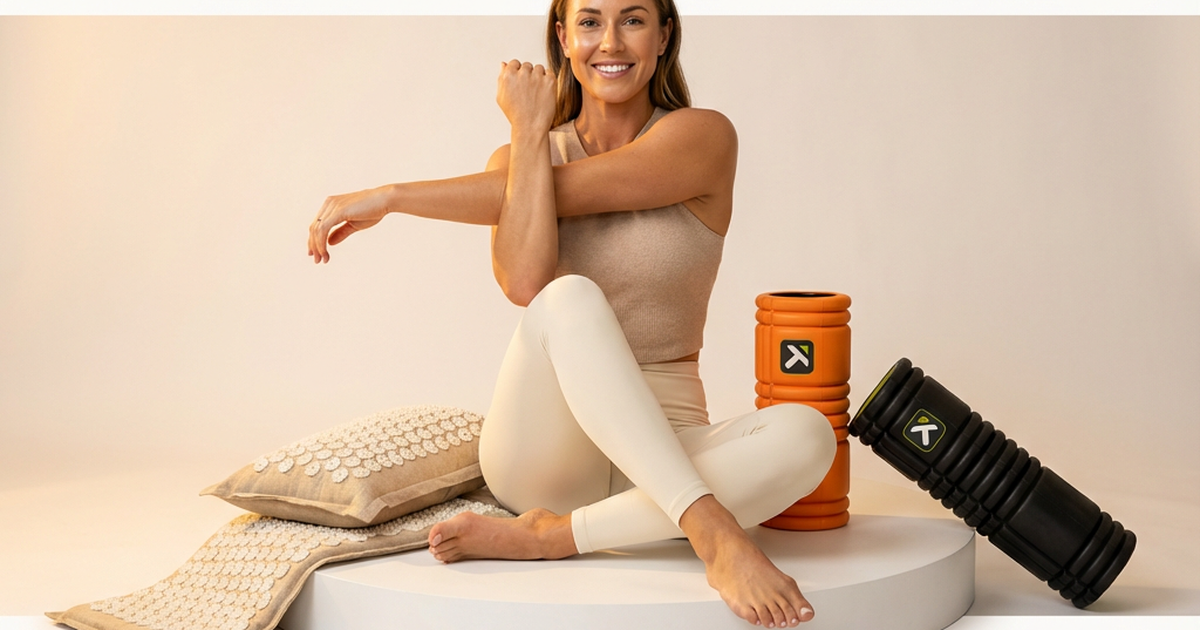
TriggerPoint Grid 1.0 Foam Roller 13

Overview
A 13-inch foam roller with a textured grid surface designed to provide self-myofascial release and muscle recovery through deep tissue massage.
Pros
- Multi-density construction with varying ridge patterns targets different muscle groups and tissue types effectively
- Distrodensity Zones balance firm pressure on tight muscles with softer support for sensitive areas
- High rating of 4.7/5 stars from 23,320 reviews demonstrates consistent user satisfaction and durability
Cons
- Firmer density may feel intense for beginners; requires a break-in period to build tolerance
- 13-inch length limits effectiveness on larger muscle groups like full leg or back coverage
Best For
Fitness enthusiasts starting their New Year resolution who want an affordable, versatile recovery tool for post-workout muscle soreness and improved mobility.
ProsourceFit Acupressure Mat and Pillow Set

Overview: An acupressure mat-and-pillow combo designed to reduce muscle tension and promote relaxation through spike stimulation, marketed as a natural pain relief alternative for daily use.
Pros:
- Affordable entry point at $22.49 for a complete set (mat + pillow), making it accessible for New Year fitness enthusiasts testing recovery tools
- 100% cotton construction is skin-friendly and machine-washable, addressing durability concerns for regular users
- High volume of verified reviews (11,641) with 4.3/5 rating provides reliable user feedback on effectiveness
Cons:
- Requires 10-30 minute daily commitment; results aren't immediate and depend on consistent use
- Spike intensity may feel uncomfortable for first-time users or those with sensitive skin, limiting initial adoption
Best For: Budget-conscious fitness beginners and post-workout recovery seekers looking to supplement their New Year fitness routine without investing in expensive massage tools.
Liquid I.V. Hydration Multiplier Lemon Lime

Overview:
An electrolyte powder drink mix designed to deliver faster hydration than water alone, with a science-backed formula containing 3x the electrolytes of leading sports drinks plus B vitamins.
Pros:
- Contains 100% daily value of 4 B vitamins (B3, B5, B6, B12) plus 8 total nutrients in each serving
- Single-serving packets are portable and convenient—just mix one packet into 16 oz water
- Allergen-friendly: gluten-free, soy-free, and dairy-free formula
Cons:
- At $23.46 per 16-serving pack (~$1.47 per serving), it's significantly more expensive than basic sports drinks or homemade electrolyte solutions
- Lemon Lime flavor may not appeal to all palates; limited flavor variety in single-pack purchases
Best For:
Fitness enthusiasts and New Year resolution-starters who prioritize recovery and hydration during workouts and need portable, convenient nutrition support without allergen concerns.
REDMOND Re-Lyte Hydration Electrolyte Powder

Overview
A sugar-free electrolyte powder designed for daily hydration and workout recovery, featuring mineral-rich real salt with a 2:1 sodium-potassium ratio.
Pros:
- Clean ingredient profile with no added sugar, artificial sweeteners, or fillers; includes 60+ trace minerals from real salt
- Flexible dosing (one scoop in 16-32 oz water) makes it adaptable for different activity levels and taste preferences
- High customer satisfaction with 4.6/5 stars across 11,187 reviews, indicating consistent quality and reliability
Cons:
- Premium pricing at $44.99 per container may be higher than basic electrolyte alternatives
- Salty taste profile requires adjustment period for some users; beginners may need to start with half-scoop doses
Best For
Health-conscious fitness enthusiasts pursuing New Year goals who prioritize clean ingredients and sustained hydration during workouts or active lifestyles.
Ultima Replenisher Daily Electrolyte Powder

Overview
A sugar-free electrolyte powder designed for daily hydration with 6 key minerals, vitamins, and plant-based flavoring—ideal for fitness enthusiasts starting New Year resolutions.
Pros:
- Zero sugar, calories, and carbs with stevia sweetening; fits keto and low-carb fitness goals
- 90 servings per canister ($0.53 per serving) offers solid value for consistent daily use
- Comprehensive mineral profile (magnesium, potassium, sodium, calcium, phosphorus, chloride) plus vitamin C and zinc supports workout recovery and immune health
Cons:
- At $47.99, notably pricier than basic electrolyte alternatives like Liquid IV or Gatorade Zero
- Stevia aftertaste reported by some users; flavor preference varies significantly by individual
Best For
Health-conscious fitness beginners and experienced athletes seeking a clean electrolyte option without artificial additives or sugar during their fitness journey.
Ankle Resistance Bands with Cuffs

Overview
Adjustable ankle cuff resistance bands designed for lower-body isolation exercises like glute kickbacks, hip thrusts, and leg lifts.
Pros:
- Adjustable cuff straps fit various ankle sizes securely without slipping during movement
- Multiple resistance levels available, allowing progressive intensity increases as strength improves
- Lightweight and packable design fits easily into gym bags or travel luggage for home, gym, or on-the-go workouts
Cons:
- Some users report the cuffs can feel restrictive during extended wear or high-rep sessions
- Durability varies by resistance level; heavier bands show faster wear with frequent use
Best For:
Budget-conscious fitness beginners and intermediate exercisers seeking affordable lower-body toning equipment for their New Year resolution without investing in full home gym setups.
Booty Bands Resistance Bands Set

Overview
A budget-friendly fabric resistance band set designed for lower-body and full-body workouts, ideal for New Year fitness beginners looking to add progressive resistance training without expensive gym equipment.
Pros:
- Three color-coded resistance levels (light, medium, heavy) allow progressive training as strength improves—perfect for January fitness resolutions
- Fabric construction with anti-slip design stays in place during movement without rolling, addressing comfort concerns common in latex alternatives
- Portable 3-band set with carrying bag enables workouts anywhere, fitting fragmented exercise schedules for busy professionals
Cons:
- Limited to 14.5" length may feel restrictive for certain exercises or taller users requiring longer bands
- Fabric material durability claims lack independent testing; long-term elasticity retention unverified after 12+ months of regular use
Best For:
Budget-conscious beginners and home exercisers seeking affordable, portable lower-body training tools to jumpstart New Year fitness goals without equipment investment.
Small Exercise Ball, 9 Inch Mini Pilates Ball

Overview
A compact 9-inch stability ball designed for home workouts, physical therapy, and core strengthening exercises with anti-burst construction and slip-resistant coating.
Pros:
- Non-burst PVC material with non-slip surface provides safety during workouts on hard floors
- Includes complete inflation kit (2 straws, 2 plugs, plug puller) for quick setup in seconds
- Versatile for yoga, pilates, therapy, and balance training—ideal for New Year fitness beginners building foundational strength
Cons:
- Small 9-inch size limits exercise variety compared to larger stability balls; not suitable for seated exercises
- Requires keeping away from wood furniture and painted surfaces due to material compatibility issues
Best For
Home fitness beginners and those in physical therapy seeking an affordable ($7.99), portable tool to add variety to core and flexibility routines without major equipment investment.
Resistance Bands with Handles

Overview
A five-level resistance band system with padded handles designed for home workouts, rehabilitation, and strength training without heavy weights.
Pros:
- Color-coded resistance levels (0-50 lbs) allow progressive training and workout variety for different muscle groups
- Natural latex construction with non-slip handles provides durability and comfort during extended use
- Includes travel pouch for portability—ideal for New Year fitness enthusiasts who need gym flexibility
Cons:
- Natural latex may cause allergic reactions for sensitive users
- 4.4/5 rating suggests some users experience durability issues with handles or bands over time
Best For:
Budget-conscious beginners and resolution-makers seeking low-impact, portable strength training for home or travel workouts.
What to Look For When Buying New Year Fitness Products
The January fitness surge brings an influx of products and services designed to capitalize on New Year resolutions, making it critical to understand what separates quality investments from impulse purchases you'll abandon by February. Use these factors to evaluate fitness products across equipment, wearables, supplements, apparel, and subscriptions.
Budget and Price-to-Value Ratio
January marketing often inflates prices before discounting them, so research the product's typical price range across multiple retailers before committing. The most expensive option isn't always the best value—beginner fitness enthusiasts frequently abandon expensive equipment, so starting with mid-range products allows you to test your commitment without significant financial waste.
Your Actual Fitness Level and Experience
Buying guide products assumes you'll use them, but beginners often purchase advanced equipment they can't operate effectively, leading to frustration and abandonment. Honestly assess whether you're starting from zero, returning after a break, or already active—this determines whether you need foundational tools (resistance bands, basic dumbbells) versus specialized equipment (advanced home gyms, high-end wearables).
Space and Storage Constraints
Home fitness equipment takes up real estate, and bulky items gathering dust represent wasted money and cluttered living spaces. Measure your available space before purchasing and prioritize compact, multi-functional equipment or portable options if you live in smaller homes or apartments.
Durability and Build Quality
Budget fitness products often use cheap materials that fail within months, especially during the high-use period when New Year motivation is strongest. Check customer reviews specifically for durability complaints, warranty length, and whether the manufacturer stands behind their product—this matters more for equipment you'll use daily than for occasional-use items.
Compatibility with Your Lifestyle
A premium digital fitness subscription is worthless if you prefer outdoor running; expensive home gym equipment doesn't help if you thrive in group fitness classes. Match the product category and format to how you actually prefer to exercise, not how you think you should exercise based on New Year ideals.
Technology Integration and Learning Curve
Wearables and digital subscriptions promise tracking and coaching, but overly complicated interfaces cause users to abandon them within weeks. Look for intuitive apps, clear progress tracking, and customer support—especially if you're not tech-savvy—since the best fitness tool is one you'll actually use consistently.
Recovery and Sustainability Features
New Year fitness often emphasizes intensity, but products that support recovery (foam rollers, massage guns, stretching guides) prevent injury and burnout that derails resolutions. Include at least one recovery-focused product in your fitness investment to ensure you can sustain effort beyond the initial January enthusiasm.
Return Policies and Trial Periods
The fitness industry knows many January purchases won't work out, so reputable brands offer 30-90 day return windows or trial periods for subscriptions. Use these policies to test products in real-world conditions before committing—this is especially important for expensive equipment or subscriptions you're unsure about.
Community and Accountability Features
Research shows accountability increases adherence to fitness goals, so products with community features, coaching, or progress tracking outperform isolated tools. Check whether the product connects you with others, provides feedback mechanisms, or includes coaching—these social elements significantly impact whether you'll stick with your resolution past March.
Why Most New Year Fitness Plans Fail (And How to Avoid It)
The statistics are sobering: 80% of New Year's resolutions fail by mid-February, with 90% abandoned by March. But here's the good news—these failures rarely stem from lack of willpower. Instead, they result from poor planning, unclear expectations, and missing accountability systems. The solution isn't motivation; it's structure. By understanding why plans fail and addressing three critical gaps, you can join the small percentage who actually succeed.
The Motivation Myth: Why Equipment Alone Isn't Enough
Buying new fitness gear creates a temporary motivation spike, but equipment alone doesn't drive long-term adherence. Most people quit within weeks 2-3, before visible results appear. Success requires more than a shiny new product—it demands a complete system including guidance, community support, and realistic expectations. Without these elements, even the best equipment sits unused in your closet.
The Timeline Trap: Understanding Realistic Results
Visible fitness results require 8-12 weeks of consistent effort, yet most people expect changes within 2-3 weeks. This expectation gap is a primary abandonment trigger. Understanding realistic timelines prevents discouragement:
- Weeks 1-2: Energy and mood improvements (internal changes)
- Weeks 3-6: Increased strength and endurance (performance gains)
- Weeks 8-12: Visible physical changes (aesthetic results)
Setting milestone markers at each stage keeps motivation high during the critical early weeks.
The Accountability Gap: Why Community Matters More Than You Think
Products with community features show 40-60% higher adherence rates than solo programs. Whether it's group classes, online forums, or accountability partners, social connection transforms fitness from an individual struggle into a shared journey. Community provides motivation during plateaus, celebrates wins, and normalizes the challenges everyone faces. This isn't optional—it's essential infrastructure for success.
The Three Pillars of a Sustainable Fitness System
A sustainable fitness system works because it removes guesswork and builds momentum. Rather than cobbling together random exercises, the most effective programs combine structured guidance, nutritional strategy, and community support. Here's what separates programs that deliver results from those people abandon after six weeks.
Pillar 1: Smart Workouts (Guided Programs + Progressive Structure)
Guided workout programs eliminate decision paralysis and dramatically improve adherence—studies show they increase follow-through by 40-60% compared to self-directed routines. A structured program tells you exactly what to do, ensures proper form to prevent injury, and removes the mental burden of planning. Progressive overload—gradually increasing weight, reps, or difficulty—is non-negotiable for continued results; most beginners plateau within 4-6 weeks because they don't know how to progress safely.
What to look for:
- Clear exercise demonstrations with form cues
- Built-in progression pathways (easier → intermediate → advanced)
- AI-powered adaptation that adjusts difficulty based on your actual performance
Pillar 2: Nutrition Strategy (Tracking + Expert Guidance)
Nutrition accounts for approximately 70% of weight loss results, yet most fitness programs treat it as an afterthought. Exercise alone rarely delivers visible body composition changes without dietary alignment. Effective systems pair calorie or macro tracking with expert guidance—whether that's meal plans, grocery lists, or real-time coaching—so you're not guessing about portions or food choices.
Essential nutrition features:
- Simple tracking (logging meals takes <2 minutes)
- Personalized targets based on your goals and body metrics
- Educational content explaining why certain foods support your goals
Pillar 3: Recovery & Accountability (Community + Metrics)
Real-time progress tracking provides the motivation that keeps you showing up—seeing your strength increase by 5 lbs or your endurance improve is a tangible "win" that sustains effort. Community challenges and social accountability dramatically increase follow-through; isolation is a major abandonment trigger. Recovery tools (stretching, foam rolling, scheduled rest days) prevent burnout and injury, which are top reasons people quit after initial enthusiasm fades.
Accountability elements that work:
- Weekly progress dashboards (weight, strength, workout completion)
- Group challenges with leaderboards or shared goals
- Built-in rest day recommendations to prevent overtraining
Budget Breakdown: What You Actually Get at Each Price Point
The fitness equipment market offers options at every price level, but the cost of entry doesn't always reflect the value you'll receive. Understanding what each tier delivers—and calculating your true cost-per-use—helps you make a smart investment rather than an expensive mistake. Let's break down where your money actually goes.
Budget Tier ($30–$200): Testing Commitment Without Risk
This price range is perfect for exploring whether you'll actually stick with a fitness routine before investing heavily. Budget equipment lets you experiment with different workout styles with minimal financial risk, making it ideal for beginners uncertain about their commitment level.
What you get:
- Basic equipment (resistance bands, yoga mats, dumbbells) without smart features
- Limited or no professional guidance
- No community support or accountability
- High abandonment risk—studies show 80% of budget buyers stop using equipment within 6 months
The real cost: A $100 foam roller used twice costs $50 per use. Budget items work best as supplementary tools, not primary equipment. Without structure and guidance, most people lack the motivation to maintain consistency.
Smart strategy: Use free trials and money-back guarantees to test before committing. Many platforms offer 30-day trials—take advantage to confirm you'll actually use the equipment.
Mid-Range Tier ($200–$800): The Sweet Spot for Most Buyers
This is where most successful fitness transformations happen. Mid-range equipment combines quality construction, professional instruction, and community support at prices that feel accessible rather than intimidating.
What you get:
- Durable, well-engineered equipment (5–7 year lifespan)
- Professional instructional content and form coaching
- Active community for accountability and motivation
- Reasonable subscription costs ($10–15/month)
- Better warranty coverage and customer support
Real-world example: A $500 stationary bike used 3 times per week for 2 years costs just $0.32 per use. Add a $15/month subscription ($360 over 2 years), and your total investment is $860 for a transformation most people maintain long-term.
Why it works: The combination of quality equipment, expert guidance, and peer support creates the conditions for lasting habit change. You're not just buying a product—you're buying structure and accountability.
Premium Tier ($800–$3,000+): The All-in-One Ecosystem
Premium equipment is only worth it if you have a proven fitness commitment. The ROI comes from AI-personalized coaching, superior durability, and results that justify the higher price tag.
What justifies the cost:
- AI-powered personalization that adapts to your progress
- Expert one-on-one coaching or elite group classes
- Premium materials with 8–10 year durability
- Comprehensive warranty and replacement guarantees
- Integrated ecosystem (equipment + app + coaching + community)
Calculate the long-term investment: A $2,000 system with a $25/month subscription over 5 years = $2,000 + ($25 × 12 × 5) = $3,500 total. If you use it 4 times weekly for 5 years (1,040 sessions), that's $3.37 per use—comparable to mid-range when you factor in superior results and durability.
The commitment test: Only choose premium if you've consistently used mid-range equipment for 6+ months. Premium equipment rewards dedication; it won't create it.
The Resolution Rebooter's Advantage: Why Returning to Fitness is Easier Than Starting
Returning to exercise after time away puts you in a unique position: your body has a built-in advantage that first-time exercisers don't. Your muscles retain cellular memory from previous training, allowing you to rebuild strength and endurance dramatically faster than someone starting from scratch. This scientific edge means you can achieve visible results in 4-6 weeks instead of waiting 8-12 weeks—and that faster progress fuels motivation when you need it most.
Your Body Remembers: Muscle Memory is Real
Your muscles don't truly forget. Even after months or years away, your body retains neural pathways and cellular adaptations from previous training. This means returning exercisers regain strength 2-3 times faster than beginners, seeing noticeable improvements in 4-6 weeks. You'll feel stronger during workouts, notice better endurance, and watch your body change visibly—all while putting in less effort than someone training for the first time. This accelerated progress creates a powerful psychological boost that keeps you committed through the critical first month.
The Motivation Multiplier: Life Events Drive Results
Major life events—turning 40, a health scare, an upcoming wedding—create powerful intrinsic motivation that goes beyond typical New Year's resolutions. These moments tap into deeper reasons to change, making your commitment feel personal and urgent. Rather than relying on this initial burst alone, use this window to build sustainable systems: schedule workouts as non-negotiable appointments, join a community or find an accountability partner, and establish a simple daily habit (like laying out workout clothes the night before). These structures carry you through weeks 2-3 when motivation naturally dips, transforming temporary inspiration into lasting lifestyle change.
Avoiding the Injury Trap: Why Beginners Fail (And How You Won't)
Injury is the #1 reason beginners quit fitness. Poor form, doing too much too soon, and skipping proper progression create pain that kills motivation fast. Returning exercisers are equally vulnerable—your confidence from past training can lead to overestimating your current fitness level.
Protect yourself with these strategies:
- Use form-focused programs: Video instruction, trainer corrections, or AI form analysis reduce injury risk by 60%+
- Start easier than you think: Begin at 60-70% of your previous fitness level, even if it feels too easy
- Progress gradually: Increase weight, reps, or intensity by only 10% weekly to let your body adapt safely
- Prioritize the first 30 days: Establish daily habits, find your community, and schedule workouts like appointments to overcome the motivation dip
This measured approach prevents the "I'm sore and miserable" phase that derails most returners, keeping you healthy and consistent long enough to see results.
Frequently Asked Questions
How quickly will I see results from a New Year fitness plan?
How Quickly Will I See Results from a New Year Fitness Plan?
You'll notice the first wins quickly: improved energy and sleep within 1-2 weeks, clothes fitting differently in 2-4 weeks, and noticeable strength gains by week 3-4. However, the visible body transformation most people want takes 8-12 weeks of consistent exercise (4-5x/week) paired with solid nutrition—exercise alone rarely delivers results without addressing diet. The key insight: most people quit in weeks 2-3 before seeing changes, so accountability systems are crucial to bridge that motivation gap. Aim for 30-day visible progress and a 90-day transformation as your realistic timeline for "wow" results.
Conclusion
The Brazyn Morph Foam Roller stands out as the superior choice for anyone seeking portable muscle recovery without compromising performance. Its collapsible design makes it ideal for travelers and gym-goers alike, while delivering the deep tissue massage benefits of traditional rollers. Whether you're managing post-workout soreness or daily tension, this versatile tool offers professional-grade relief in a compact package.
Ready to upgrade your recovery routine? Get your Brazyn Morph Foam Roller today and experience the difference quality muscle care makes. Have questions about which size fits your needs? Drop a comment below—we're here to help!