Fun Games to Play with Family and Friends
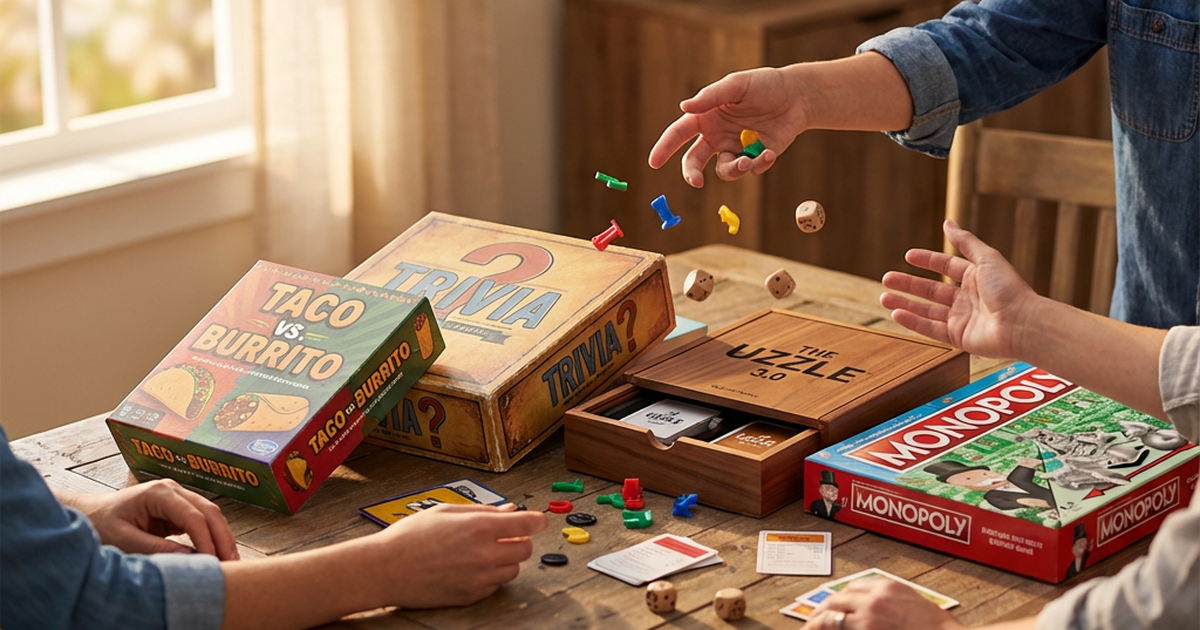
You've been there—standing in the game aisle (or scrolling endlessly online) wondering which game will actually keep everyone entertained instead of gathering dust. Finding games that work for your specific group shouldn't require a PhD in board game mechanics. This guide cuts through the noise by analyzing what makes games truly replayable and inclusive across board games, card games, party games, and more—so you'll know exactly which options deliver real quality time together.
🚀 Get FREE 2-Day Shipping with Amazon Prime
Try Amazon Prime FREE for 30 days! Enjoy fast, free delivery on millions of items, plus exclusive access to movies, TV shows, music, and more.
Start Your Free Trial →No commitment. Cancel anytime during the trial.
Our Top 5 Game Night Winners for 2025
Taco vs Burrito Card Game

Overview
A fast-paced card game where players compete to build the wildest meals, designed for 2-4 players ages 6+ with 15-minute gameplay and five different rule variations.
Pros
- Quick setup and learning curve (3 minutes to learn, 15 minutes per game) makes it ideal for families seeking low-commitment entertainment
- 5 different play modes offer variety and replayability for repeated family game nights
- Affordable at $18.82 with strong community validation (4.5/5 stars from 27,736 reviews)
Cons
- Limited to 2-4 players, which excludes larger group gatherings or parties
- Simple mechanics may lack strategic depth for experienced board gamers seeking complex gameplay
Best For
Families with young children and parents looking for accessible, quick games that encourage bonding without steep learning curves or lengthy time commitments.
Quick Comparison Table
| Product | Price | Rating | Reviews |
|---|---|---|---|
| Taco vs Burrito - The Wildly Popular Sur... | $18.82 (6% off) | 4.5/5.0 ⭐ | 27,736 |
| I should have known that! - A Trivia Gam... | $19.99 | 4.5/5.0 ⭐ | 33,823 |
| The Uzzle 3.0 Board Game, Family Board G... | $39.99 (33% off) | 4.6/5.0 ⭐ | 6,365 |
| Outsmarted - The App-Connected TV Quiz-S... | $20.99 | 4.5/5.0 ⭐ | 7,238 |
| CATAN Board Game (6th Edition) Trade, Bu... | $29.99 (45% off) | 4.8/5.0 ⭐ | 38,807 |
| Asmodee Ticket to Ride Europe Board Game... | $38.99 (35% off) | 4.8/5.0 ⭐ | 14,566 |
| Azul Asmodee Azul Board Game - Award-Win... | $27.99 (12% off) | 4.8/5.0 ⭐ | 16,244 |
| Buffalo Games - Chronology - The Game Wh... | $16.85 (16% off) | 4.8/5.0 ⭐ | 3,531 |
| The Chameleon: Award-Winning Bluffing Bo... | $18.99 (24% off) | 4.8/5.0 ⭐ | 7,983 |
| That's What She Said - Second Edition Ma... | $67.99 | 4.6/5.0 ⭐ | 24,735 |
| Inspiration Play Double Ditto - a Hilari... | $19.95 (20% off) | 4.6/5.0 ⭐ | 5,160 |
I Should Have Known That! Trivia Game
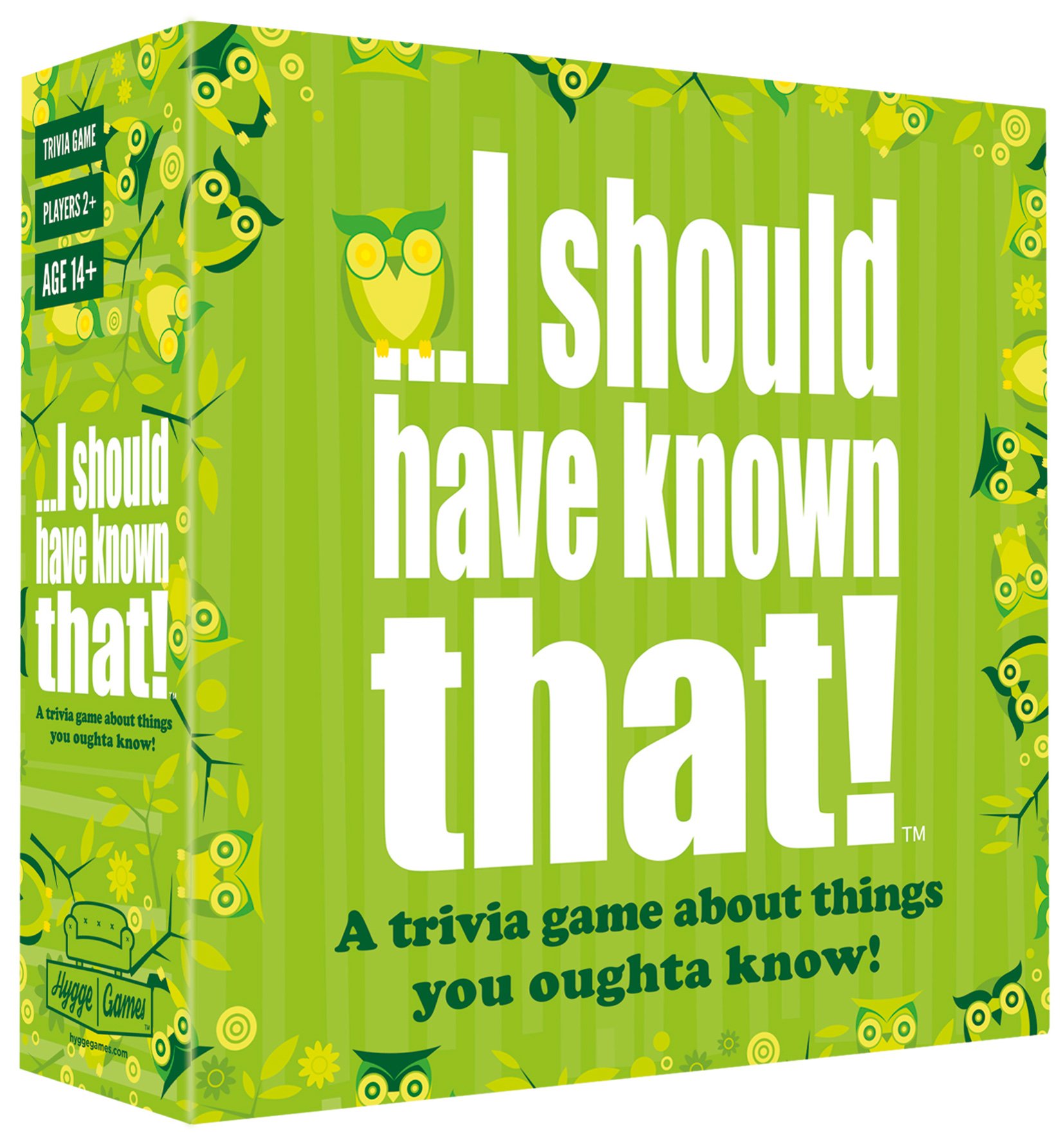
Overview:
A compact trivia game designed for 2+ players aged 14 and up, focusing on general knowledge questions about everyday facts and common information.
Pros:
- Highly rated with 33,823 reviews averaging 4.5/5 stars, indicating strong player satisfaction
- Portable 6" x 6" format makes it ideal for family gatherings, travel, or casual game nights
- Supports 2+ players, accommodating both intimate pairs and larger group entertainment
Cons:
- Limited to trivia format, which may not appeal to players preferring strategy or cooperative gameplay
- Requires at least 2 players; not designed for solo entertainment
Best For:
Families and friend groups seeking a straightforward, portable trivia experience that encourages social bonding without complex rules or lengthy setup times.
The Uzzle 3.0 Board Game

Overview
A fast-paced pattern-matching puzzle game for ages 4+ that combines competitive gameplay with cognitive skill-building, playable solo or with up to 4 players.
Pros
- 100 unique puzzles across 4 difficulty levels, with levels 1-2 suited for young children and levels 3-4 challenging for adults
- Quick 5-minute learning curve makes it immediately accessible for family game nights
- Develops problem-solving, observation, and hand-eye coordination skills while entertaining
Cons
- $39.99 price point is higher than many comparable puzzle games
- Competitive gameplay may frustrate younger players who struggle with speed-based challenges
Best For
Families seeking an engaging game that entertains multiple age groups while strengthening cognitive skills during screen-free time together.
Outsmarted App-Connected TV Quiz Board Game
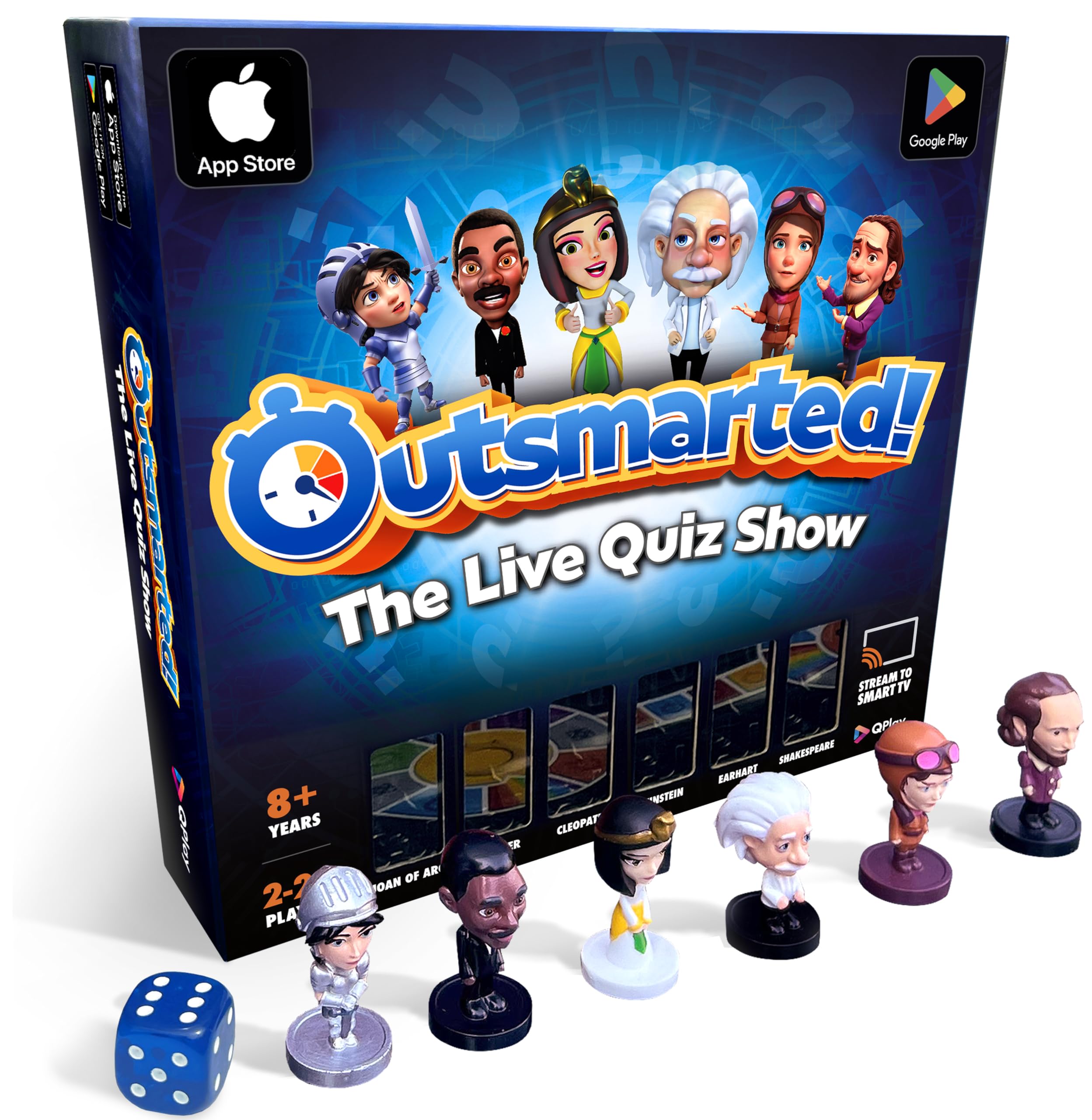
Overview
An app-connected trivia game that transforms your smartphone or tablet into a TV quiz show experience, supporting 2-24 players across multiple devices with adaptive difficulty levels.
Pros
- 10,000+ questions across 10 categories with 80+ add-on packs available, plus remote play capability allows friends and family to join from anywhere globally
- AI-powered difficulty adjustment automatically scales questions for kids, teens, and adults, ensuring competitive fairness across age groups
- Works with devices you already own (iOS, Android, Windows) and streams to most smart TVs without requiring additional hardware purchases
Cons
- Requires active internet connection and a compatible device to function; gameplay depends entirely on app stability and question database updates
- Limited to 6 connected devices simultaneously, which may constrain larger gatherings beyond that threshold
Best For
Families seeking inclusive game nights where multiple age groups can compete fairly, or groups wanting flexible entertainment that works with existing smartphones and streaming setups.
CATAN Board Game (6th Edition)

Overview
A modular strategy board game where 3-4 players compete to build settlements and cities on an island by trading resources, offering different gameplay every time due to its hexagonal tile design.
Pros
- Highly replayable with randomized board layouts ensuring no two games play identically
- Teaches resource management and negotiation skills while maintaining engaging competition across 60-90 minute sessions
- Accessible entry point for strategy gaming at ages 10+, making it ideal for mixed-age family groups
Cons
- Limited to 3-4 players only, excluding larger gatherings or solo play
- Gameplay can feel repetitive after 20+ plays as core mechanics remain unchanged despite board variations
Best For
Parents and young adults seeking a social game night staple that balances accessibility with genuine strategic depth for family bonding and friendly competition.
Asmodee Ticket to Ride Europe Board Game

Overview
A strategy board game that guides 2-5 players through turn-of-the-century Europe, combining set collection and route-building mechanics in 30-60 minute sessions.
Pros:
- Introduces engaging new mechanics (tunnels, ferries, train stations) that add strategic depth beyond the original game without overwhelming new players
- Supports 2-5 players with balanced gameplay and scales well for different group sizes, making it versatile for families and friend gatherings
- Larger cards and illustrated board enhance the physical experience compared to the original, improving accessibility and visual appeal
Cons:
- 30-60 minute playtime can extend significantly with 4-5 players or analysis-prone players, potentially testing younger children's attention spans
- Route blocking mechanics may create frustration for players who lose key routes to competitors, affecting casual players' enjoyment
Best For
Families seeking accessible strategy games that appeal to ages 8+ and friend groups who value social gameplay over competitive intensity.
Azul Board Game

Overview:
A tile-placement strategy game where 2-4 players compete to create beautiful mosaic patterns, combining accessible rules with genuine strategic depth.
Pros:
- Award-winning design with 4.8/5 rating across 16,000+ reviews, indicating consistent quality and player satisfaction
- 30-45 minute playtime keeps sessions focused without excessive commitment, ideal for family game nights
- Simple ruleset makes it accessible to ages 8+, while strategic tile selection and blocking mechanics reward experienced players
Cons:
- Limited to 4 players maximum, which restricts larger family gatherings or group game nights
- Tile randomization means some games feel less balanced depending on draw luck, potentially frustrating competitive players
Best For:
Families and friend groups seeking a replayable game that bridges casual and strategic players without requiring lengthy rules explanations.
Buffalo Games Chronology Historical Timeline Trivia Game
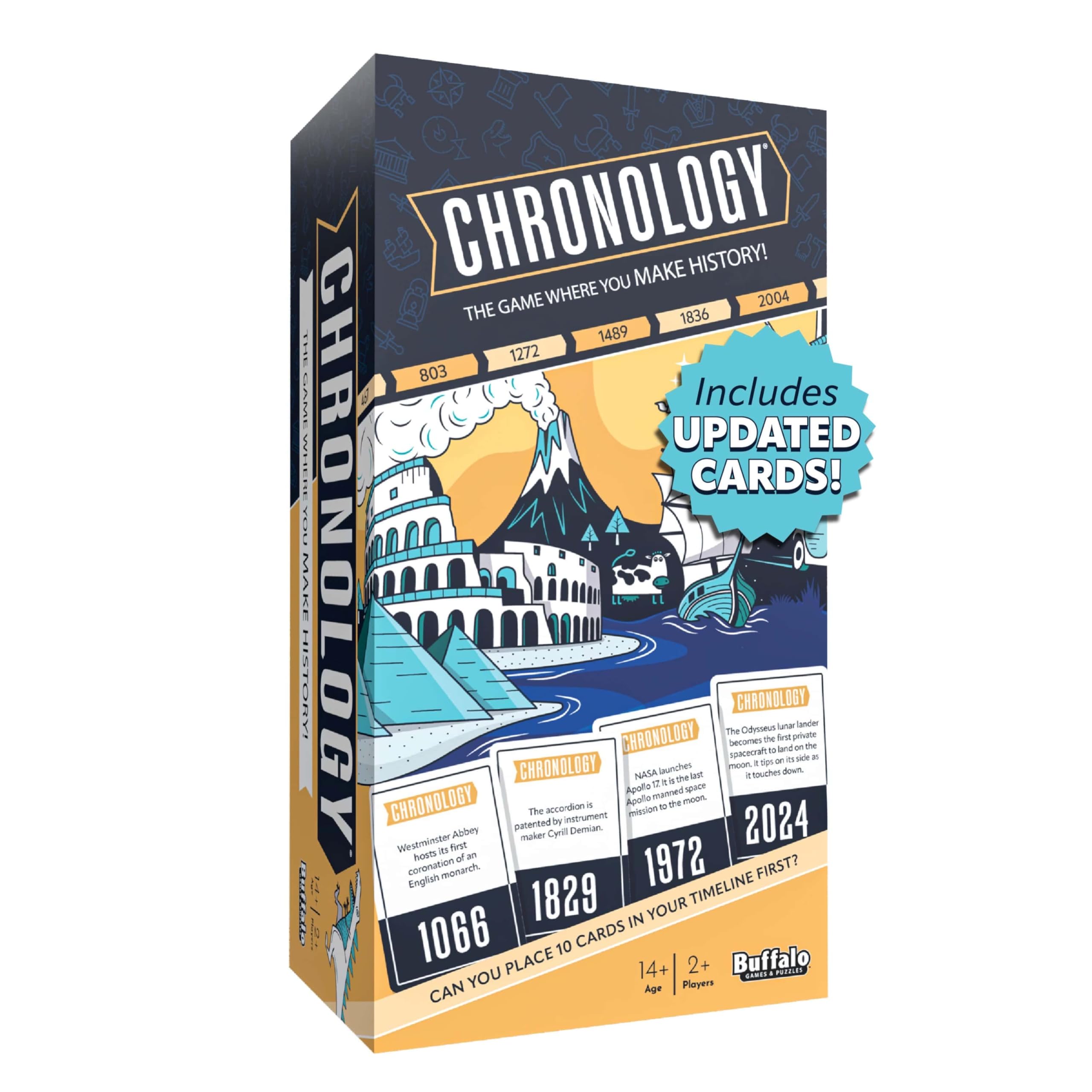
Overview: A historical timeline trivia game where players build chronological sequences of real events to earn points, combining education with competitive party gameplay.
Pros:
- 800 unique events spanning 2,000 years with 2024 updates keep gameplay fresh across multiple plays
- Accommodates 2-8 players with simple rules, making it accessible for family gatherings and adult game nights without lengthy setup
- High user satisfaction (4.8/5 stars from 3,500+ reviews) indicates strong entertainment and educational value
Cons:
- Requires solid historical knowledge to excel; casual players may struggle against experienced trivia enthusiasts
- Limited to ages 14+ due to complexity, restricting younger family members from participation
Best For: History enthusiasts and families seeking educational entertainment that doubles as engaging party game entertainment for mixed-age adult gatherings.
The Chameleon Board Game

Overview
A quick-playing social deduction game where one player secretly doesn't know the group word and must bluff their way through without getting caught.
Pros:
- Lightning-fast setup and gameplay: 2 minutes to learn, 15 minutes to play—ideal for groups wanting immediate entertainment without rulebook deep-dives
- Scales perfectly for gatherings: accommodates 3-8 players, making it versatile for small family nights or larger friend groups
- Award-winning design: recognized as "Best Party Game" at UK Games Expo with strong 4.8/5 rating from nearly 8,000 reviews
Cons:
- Minimum age recommendation of 14+ limits use for younger family members seeking group entertainment
- Relies heavily on player engagement and honesty; can fall flat with disengaged groups or those uncomfortable with social deduction mechanics
Best For
Teenagers and adults seeking quick, conversation-driven party games that work equally well for casual family nights or larger social gatherings.
That's What She Said - Second Edition Card Game

Overview
A mature party card game featuring 458 cards designed for adult groups to match setup scenarios with innuendo-filled phrase cards, ideal for social gatherings where humor is the main entertainment.
Pros
- Substantial card library with 400 phrase cards and 58 setup cards providing varied gameplay combinations and replay value
- Strong community validation with 4.6/5 rating across 24,735 reviews, indicating consistent enjoyment among purchasers
- Specifically designed for group dynamics (4+ players), creating natural social bonding and shared laughter moments
Cons
- Premium pricing at $67.99 limits accessibility compared to similar party games
- Mature content restricts use to adult-only gatherings, eliminating family entertainment options
Best For
Young adults and established friend groups seeking irreverent humor-based entertainment for bachelor/bachelorette parties, game nights, and adult social events where mature content is welcomed.
Inspiration Play Double Ditto Family Party Game
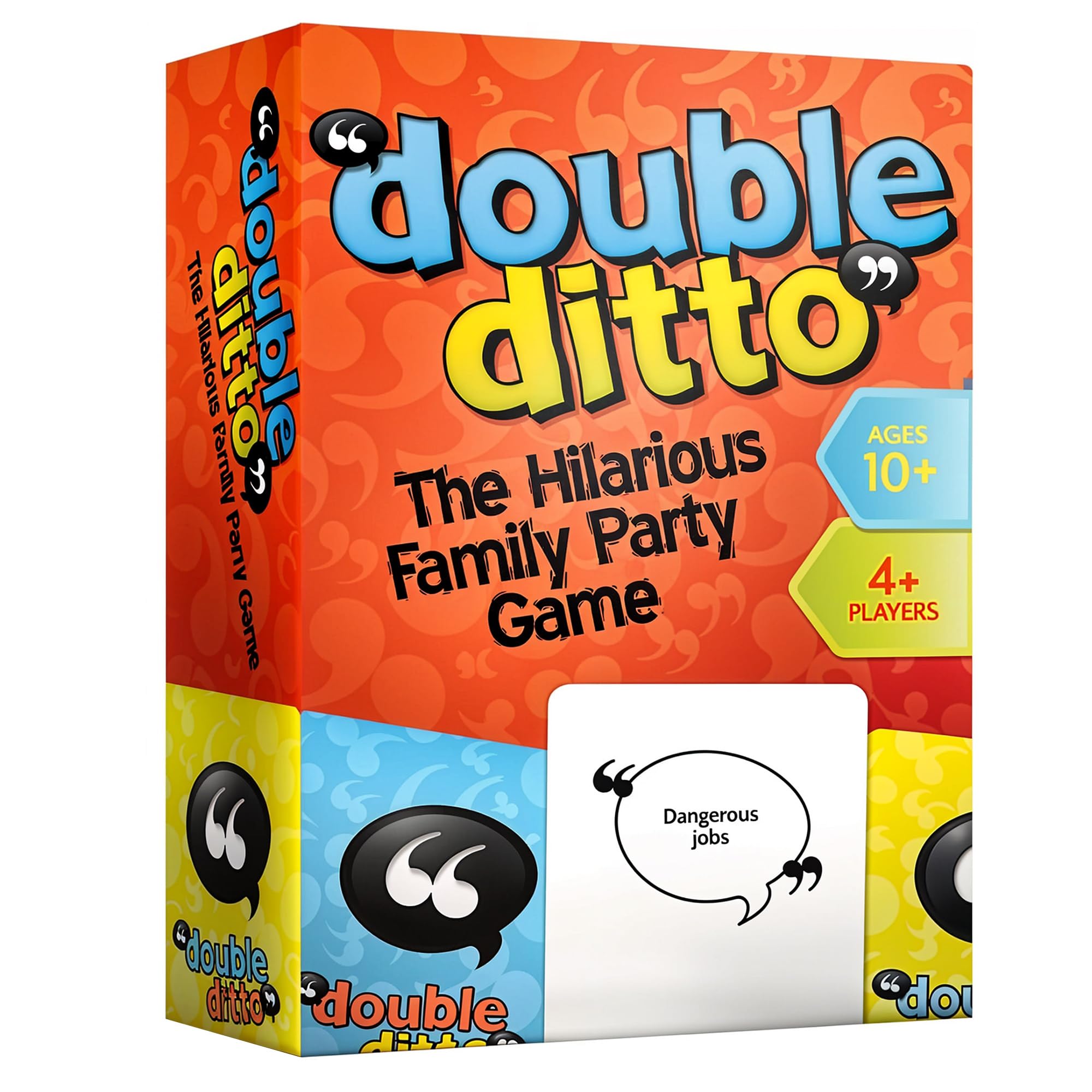
Overview: A party game where players write two answers to category prompts, earning points when others guess the same responses—designed to reveal which friends think alike.
Pros:
- Includes 400 cards with 25-minute gameplay, supporting 4-20 players across ages 8+
- Award-winning design (Creative Child Magazine, 2016) with 4.6/5 rating from 5,160 reviews
- Minimal setup required—just read prompts, write answers, and score based on matches
Cons:
- Requires strong reading/writing skills; younger players (under 8) need adult pairing
- Limited replayability without purchasing the expansion pack ($19.95 additional cost)
Best For: Families and friend groups seeking accessible, low-prep entertainment that encourages creative thinking and social bonding across mixed age ranges.
Buying Guide: Fun Games to Play with Family and Friends
Number of Players
Check the minimum and maximum player count to ensure the game matches your group size. Games designed for 2-4 players won't work well if you regularly host gatherings of 8+ people, and some games become tedious with too few participants. This matters because mismatched player counts lead to frustrated players sitting out or a poor gameplay experience for everyone involved.
Recommended Action
Look for the player range on the box or product description. If your group size varies, choose games with flexible ranges (like 2-6 players) rather than fixed requirements.
Age Appropriateness
Games designed for specific age ranges ensure the rules are understandable and the content is suitable for your audience. A game too advanced frustrates younger players, while one too simple bores teenagers or adults. This directly impacts whether everyone actually enjoys the experience rather than feeling excluded or unchallenged.
Recommended Action
Match the recommended age to your youngest regular player, then verify the game doesn't talk down to older participants. Read reviews mentioning actual play experiences with mixed-age groups if that's your situation.
Setup and Play Time
Games requiring 30+ minutes of setup or 2+ hours to play create barriers to actually getting the game off the shelf, especially for busy families. Shorter setup times and flexible play durations (games you can pause or play in rounds) fit better into real-world schedules. This matters because an amazing game you never actually play has zero value.
Recommended Action
Prioritize games with setup times under 15 minutes and play times matching your typical available window (30 minutes for weeknight families, 60-90 minutes for weekend gatherings).
Rules Complexity
Games with simple, quickly-learnable rules get played more often because new players don't need extensive teaching sessions. Complex games appeal to dedicated players but can intimidate casual players or require a "rules expert" to run the game. Your choice depends on whether you want accessible entertainment or a strategic challenge for experienced gamers.
Recommended Action
Read actual gameplay reviews or watch 5-minute tutorial videos before buying. If you're buying for mixed experience levels, choose games with simple core rules but optional advanced variations.
Type of Gameplay
Different games serve different social purposes: competitive games (racing to win), cooperative games (working together against the game), party games (humor and socializing), and strategy games (tactical thinking). The right type depends on your group's dynamics—some groups thrive on competition while others prefer collaboration. Choosing the wrong type means the game won't match how your group actually likes to interact.
Recommended Action
Consider your group's personality. If people get frustrated losing, lean toward cooperative or party games. If your group enjoys friendly competition, competitive games work better.
Physical Space Requirements
Some games need a large table, floor space for movement, or outdoor areas, while others work on a small coffee table. A game requiring a 4-foot table won't work in a cramped apartment, and outdoor games need appropriate weather. This practical factor determines whether you can actually play the game in your home environment.
Recommended Action
Measure your typical play space and check game dimensions. Compact games work for apartments; larger games need dedicated table space or outdoor areas.
Replayability and Variety
Games with randomized elements, multiple strategies, or variable setups stay interesting across many plays. Games with fixed outcomes or limited strategic depth become predictable after a few rounds. High replayability justifies the investment since you'll actually use the game repeatedly rather than it becoming a shelf decoration.
Recommended Action
Look for games featuring modular boards, randomized card decks, or multiple viable strategies. Avoid games where the outcome feels predetermined or the winning strategy never changes.
Quality and Durability
Games with sturdy components, clear cards, and solid construction withstand repeated play and last years. Cheap materials mean worn cards, broken pieces, and frustration during gameplay. Since games are social investments you'll use repeatedly, durability directly impacts long-term value.
Recommended Action
Check reviews mentioning component quality. For games you'll play frequently, invest in slightly higher-priced versions with better materials rather than budget options that degrade quickly.
Social Interaction Style
Some games encourage conversation and laughter (party games), while others require quiet concentration (strategy games). Games that eliminate players early can leave people bored and waiting, while games where everyone stays engaged throughout keep the group together. The right social dynamic ensures everyone remains invested in the experience.
Recommended Action
Avoid games where players get eliminated early unless your group specifically enjoys that. Prioritize games where all players stay active throughout, especially for younger children or mixed-engagement groups.
Understanding Your Game Night Needs
Before you buy your next board game, take a step back. The "best" game isn't the one with the highest rating—it's the one that actually matches your situation. A party game that thrives with 8 players becomes awkward with 3. A heavy strategy game that captivates competitive adults will frustrate a family with kids. Success comes from honest self-assessment. Ask yourself who's playing, how much time you have, and what keeps people coming back. These factors matter far more than flashy components or complex rules.
Who's Playing? Assessing Your Group Dynamics
Your group's personality determines everything. A competitive friend group craves games with direct interaction and meaningful decisions—think Ticket to Ride or 7 Wonders. Families with young children need games that are quick to teach, forgiving of mistakes, and fun even when someone loses badly. Casual groups prefer games emphasizing laughter and interaction over optimization. Consider these key factors:
- Player count flexibility: Games supporting 2-6 players are far more valuable than those requiring exactly 4. You'll actually play them more often when attendance varies.
- Age range compatibility: A game enjoyable for ages 8+ means everyone genuinely participates, not just tolerates the experience.
- Competitive intensity: Does your group want to crush opponents, or cooperate toward shared goals? Mismatched expectations kill game nights fast.
How Much Time Do You Really Have?
Setup and cleanup time directly impacts whether a game gets played weekly or becomes shelf decoration. A game with 15-minute setup plus 45-minute gameplay takes 90 minutes total—but only if everyone's ready to play immediately. Add explanation time, and you're looking at two hours. For most casual groups, games under 60 minutes total playtime get selected repeatedly. Games exceeding 90 minutes require serious commitment and dedicated players. Be honest: would you actually organize a game night around a 3-hour experience, or would it sit unplayed?
The Replayability Factor: Why Some Games Get Played Weekly While Others Collect Dust
Replayability isn't about rulebook complexity—it's about variety and strategic depth. Ticket to Ride stays fresh because randomized card draws and route availability create different strategic puzzles each game. Pandemic works repeatedly because cooperative gameplay creates new challenges with different disease combinations. Games with static, predictable outcomes (like most roll-and-move games) fade quickly. Strong replayability comes from:
- Randomized elements: Shuffled cards, dice rolls, or variable setup create unique scenarios.
- Multiple viable strategies: Players should discover different winning approaches, not one dominant path.
- Meaningful decisions: Choices should matter—not feel predetermined or obvious.
A game you'll play 50 times is worth more than a beautiful game gathering dust after three plays.
The Evolution of Modern Gaming: What's Changed in 2025
The gaming landscape has shifted dramatically. Players are moving away from cutthroat competition toward experiences that bring people together. Whether you're a casual family gamer or a serious hobbyist, understanding these changes helps you find games that truly match how people want to play today.
The Cooperative Revolution: Why "Winning Together" Is Winning
Cooperative games have become the fastest-growing segment in tabletop gaming, with market research showing a 40% increase in cooperative game sales since 2023. Instead of competing against each other, players team up to overcome challenges posed by the game itself. This fundamental shift reduces social friction—nobody feels like the "loser"—and strengthens friendships through shared problem-solving.
Why this matters:
- Eliminates awkward winner/loser dynamics at family game night
- Creates natural conversation and collaboration
- Works better for mixed skill levels and ages
- Examples: Pandemic, Spiritborne, Cascadia
Hybrid Games: When Digital Meets Physical
Digital-physical hybrids blend tabletop components with companion apps, creating dynamic experiences impossible with either medium alone. Apps can manage complex rules, randomize events, and adapt difficulty in real-time, while physical components keep players engaged and social. Games like Mansions of Madness and Alchemists use apps to streamline gameplay and eliminate downtime.
What this enables:
- Automated rule enforcement (no more arguments about mechanics)
- Evolving storylines that change based on player choices
- Reduced setup and cleanup time
- Seamless difficulty scaling for different experience levels
Accessibility as Standard, Not an Afterthought
Modern games now routinely include accessibility features from day one. Color-blind-friendly palettes, symbol-based text alternatives, and ergonomic components for players with mobility challenges are becoming baseline expectations. Publishers recognize that inclusive design expands their audience and improves gameplay for everyone—not just players with specific needs.
Standard features to expect:
- High-contrast color schemes with pattern/symbol differentiation
- Large, readable text and icon-based instructions
- One-handed play options and lightweight components
- Audio cues and simplified rule variants included in the box
Quick Play & Streamlined Rules
The average family has 90 minutes for game night, not three hours. Games released in 2025 increasingly offer quick-play variants (20-40 minutes) alongside full rules, plus streamlined core mechanics that eliminate fiddly components. This isn't dumbing down—it's smart design that respects players' time while maintaining strategic depth.
What to look for:
- "Quick start" rules that teach in under 10 minutes
- Modular complexity (add advanced rules if desired)
- Games designed for 30-45 minute play sessions
- Clear setup instructions that reduce prep time to 5 minutes or less
Sustainability & Eco-Conscious Production
Buyers increasingly care about environmental impact, driving publishers toward recycled materials, minimal plastic, and ethical manufacturing. Games with FSC-certified cardboard, soy-based inks, and reduced packaging are no longer niche—they're competitive advantages. This shift reflects a broader consumer expectation that entertainment shouldn't come at Earth's expense.
What's changing:
- Plastic-free or significantly reduced plastic components
- Recyclable or compostable packaging materials
- Transparent sourcing and manufacturing practices
- Durable designs built to last decades, not years
Game Categories Explained: Finding Your Perfect Fit
Understanding different board game categories helps you build a collection that satisfies your group's unique preferences. Rather than chasing individual titles, successful game nights rely on owning games across multiple categories. This guide breaks down the main types so you can identify which games will resonate with your players and create more memorable experiences together.
Party Games: High Energy, Minimal Rules, Maximum Laughter
Party games strip away complex mechanics to focus on social interaction, creativity, and humor. These games typically feature simple rule sets that new players grasp within minutes, allowing everyone to jump in immediately without lengthy explanations. The real gameplay emerges from player personalities—witty answers, bold bluffs, and unexpected reactions generate the entertainment.
Why they work:
- Accommodate large groups (6-12+ players)
- Require minimal downtime between turns
- Success depends on personality, not gaming experience
- Games like Codenames and Wavelength cost under $20 but deliver hours of laughter
Strategy Games: Deeper Mechanics, Meaningful Decisions, Replayability
Strategy games reward careful planning, resource management, and tactical thinking. Every decision meaningfully impacts your path to victory, and multiple viable strategies ensure different games play distinctly. These games demand 45-120 minutes and appeal to players who enjoy analyzing options and outmaneuvering opponents through superior planning rather than luck.
What makes them engaging:
- Player choices directly determine outcomes
- High replayability due to multiple viable strategies
- Competitive depth that improves with repeated plays
- Examples: Catan, Ticket to Ride, Splendor
Cooperative Games: Working Together Against the Challenge
Cooperative games unite players against shared challenges rather than pitting them against each other. The group wins or loses collectively, creating natural bonding as players strategize together and celebrate mutual victories. This format eliminates player elimination, so everyone stays engaged throughout the entire game.
Cooperative games excel for groups with mixed skill levels or players who find direct competition uncomfortable. The collaborative nature encourages discussion and shared problem-solving. Games like Pandemic and Forbidden Island transform gameplay into a team experience where communication and coordination matter more than individual cunning.
Social Deduction Games: Reading People, Bluffing, Psychology
Social deduction games pit informed players against uninformed ones in psychological warfare. Hidden roles create asymmetrical information—some players know secrets others don't—forcing everyone to read facial expressions, tone, and voting patterns to identify hidden identities. Success depends entirely on persuasion and deception rather than dice rolls or card draws.
Core mechanics:
- Hidden role assignments create information imbalance
- Discussion phases where players debate and accuse
- Voting determines eliminations
- Psychology trumps game mechanics
- Examples: Coup, The Resistance, Mafia
Family Games: The Sweet Spot Between Accessible and Engaging
Family games balance accessibility for younger players with enough strategic depth to keep adults engaged. Successful family games feature simple core mechanics that children understand quickly, but include decision points that reward thoughtful play. The best titles work across age ranges (8-80) without dumbing down for adults or frustrating children with excessive complexity.
Look for games with adjustable difficulty, optional advanced rules, or variable player powers that scale challenge based on experience level. Games like King of Tokyo and Splendor work equally well with families and adult gaming groups because they're easy to learn but reward strategic thinking.
Quick Games: Complete Experiences in 20-30 Minutes
Quick games deliver satisfying gameplay in 20-30 minutes, making them perfect for weeknights or as warm-ups before longer games. Don't confuse "quick" with "shallow"—many fast games include meaningful decisions and genuine strategic depth. These games solve the common objection that board gaming requires too much time commitment.
Benefits of quick games:
- Fit into busy schedules without planning
- Allow multiple games in one evening
- Serve as excellent gateway games for newcomers
- Examples: Love Letter, Coup, Ticket to Ride: Nordic Countries
Building a Balanced Collection
Most groups benefit from owning games across multiple categories rather than specializing in one type. A well-rounded collection might include one party game for large gatherings, a strategy game for competitive players, a cooperative game for collaborative nights, a social deduction game for psychological fun, a family game for mixed-age groups, and quick games for time-constrained evenings. This diversity ensures you always have the right tool for your group's mood and available time.
The Hidden Factors That Make Games Actually Get Played
Most board game enthusiasts focus on mechanics and theme, but the real difference between a game that gets played weekly and one gathering dust comes down to practical, often-overlooked factors. A game's physical quality, setup requirements, visual appeal, and long-term replay value determine whether it becomes a household favorite or a shelf decoration. Understanding these hidden factors helps you invest in games you'll actually play—not just own.
Component Quality: Why It Matters More Than You Think
Cheap components undermine even brilliant game design. When cards bend easily, tokens feel flimsy, or boards warp after a few plays, players lose confidence in the game and reach for alternatives instead. Premium materials signal respect for the game and create a satisfying experience that keeps players coming back.
What matters:
- Card stock thickness and finish durability
- Token weight and material (plastic vs. wood vs. metal)
- Box construction and insert quality
- Board rigidity and print quality
A $40 game with thin cardboard feels like a $15 game. Conversely, solid components at any price point encourage frequent play because players feel they're protecting a worthwhile investment.
The Setup/Cleanup Friction That Kills Regular Play
Setup time is the silent killer of board game collections. Games requiring 10+ minutes to prepare see dramatically fewer plays than quick-setup alternatives—studies show streamlined setups increase play frequency by 3-5x. Every minute spent organizing components is a minute that could go toward actual gameplay, and that friction compounds with cleanup.
The impact:
- 5-minute setups: Games played 2-3x weekly
- 10-15 minute setups: Games played 1-2x monthly
- 20+ minute setups: Games played 2-3x yearly
Quick-start modes and pre-assembled component trays make a measurable difference. Games like Ticket to Ride succeed partly because you're playing within 90 seconds of opening the box.
Visual Appeal and Shelf Presence
Games with striking artwork and attractive packaging get played more often—they catch your eye when browsing your collection and become natural gift choices. Visual appeal drives both impulse purchases and regular selection because beautiful games feel like experiences worth experiencing.
Aesthetically pleasing games:
- Get selected more frequently during game nights
- Generate more gift purchases and recommendations
- Photograph well for social media, driving word-of-mouth
- Feel more rewarding to display and own
A visually stunning game on your shelf becomes conversation-starting décor that naturally leads to "Want to play this?" moments.
Expandability: Keeping Games Fresh for Years
Games with modular rules, variant modes, and expansion packs maintain player interest far longer than static designs. Adding new content every 6-12 months prevents the "we've seen everything" fatigue that kills long-term engagement.
Longevity boosters:
- Expansion packs introducing new mechanics or content
- Difficulty levels and variant rule sets
- Modular components allowing different game configurations
- Seasonal or thematic content updates
A game supporting 50+ plays with base rules might support 200+ plays with expansions and variants. This extended lifespan justifies higher initial investment and keeps your collection feeling fresh.
Frequently Asked Questions
What's the difference between cooperative and competitive games, and which should I choose?
Cooperative vs. Competitive Games
Cooperative games have all players working together against the game itself, reducing social tension and creating shared goals—great for families with young children or groups that prefer collaboration. Competitive games pit players against each other, offering strategic challenge but potentially more stress for some groups. The best approach is owning both types: use cooperative games for relaxed, collaborative fun and competitive games when your group wants a challenge. If you're unsure about your group's preference, try hybrid games like Codenames that combine team-based competition, or simply ask yourself—does your group bond more through working together or friendly rivalry?
Conclusion
Taco vs Burrito stands out as the ultimate choice for anyone seeking a versatile, engaging game that genuinely entertains across all ages. Its innovative gameplay, multiple rule variations, and approachable learning curve make it perfect for family nights, parties, or casual gatherings without sacrificing strategic depth.
Ready to add this crowd-pleaser to your collection? Get your copy today and experience why this kid-created phenomenon has captured hearts everywhere. Have questions about gameplay or want to share your experience? Drop a comment below—we'd love to hear how your group enjoys it!