Don't Forget the Batteries
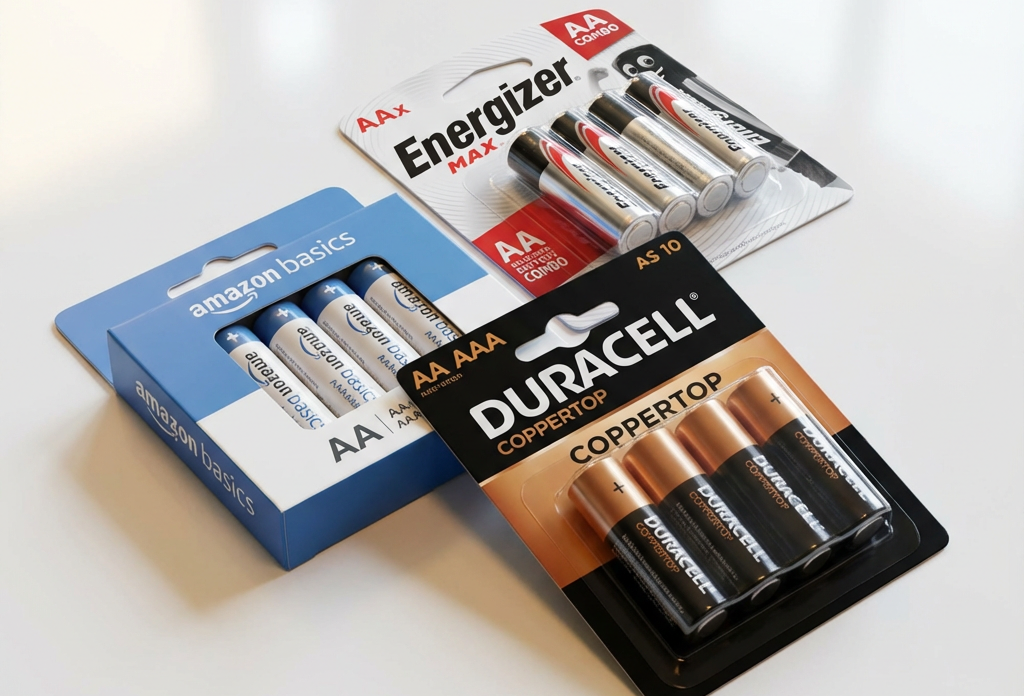
We've all been there—your remote dies mid-show, your kid's toy stops working, or your camera dies during an important shot. The truth is, most people grab whatever batteries are on the shelf without realizing the massive differences in performance, cost-per-use, and environmental impact. This guide breaks down every battery type, helps you calculate true costs, and matches batteries to your specific devices so you'll never waste money on the wrong choice again.
🚀 Get FREE 2-Day Shipping with Amazon Prime
Try Amazon Prime FREE for 30 days! Enjoy fast, free delivery on millions of items, plus exclusive access to movies, TV shows, music, and more.
Start Your Free Trial →No commitment. Cancel anytime during the trial.
Our Top Picks
Amazon Basics AA Alkaline Batteries 20-Pack

$9.99 (5% off) • 4.7/5.0 ⭐ (883,598 reviews)
Overview
A reliable, budget-friendly 20-pack of single-use alkaline batteries designed to power everyday household devices like remote controls, flashlights, and toys with a 10-year shelf life for emergency backup.
Pros
- Exceptional value at $9.99 for 20 batteries (~$0.50 per unit), significantly cheaper than premium brands
- 10-year shelf life makes these ideal for emergency kits and long-term storage without performance degradation
- Consistently high performance across diverse devices with 4.7/5 rating from nearly 884,000 verified purchases
Cons
- Single-use only—not rechargeable, so frequent users will face ongoing replacement costs
- May underperform in high-drain devices like digital cameras compared to premium alkaline batteries
Best For
Households seeking affordable, reliable batteries for light-to-moderate use devices and those building emergency supply kits on a budget.
Quick Comparison Table
| Product | Price | Rating |
|---|---|---|
| Amazon Basics 20-Pack AA Alkaline High-P... | $9.99 (5% off) | 4.7/5.0 [star] |
| Duracell Coppertop AA Alkaline Batteries... | $23.93 (10% off) | 4.8/5.0 [star] |
| Energizer AA and AAA Batteries, 48 Count... | $29.98 (5% off) | 4.8/5.0 [star] |
| Energizer Ultimate Lithium AA Batteries ... | $45.00 (33% off) | 4.7/5.0 [star] |
| Energizer AA Batteries Alkaline Power, 2... | $11.99 (20% off) | 4.8/5.0 [star] |
| Tenergy Premium PRO Rechargeable AA Batt... | $11.99 (5% off) | 4.4/5.0 [star] |
| Amazon Basics 40-Pack AA Alkaline Indust... | $15.49 (5% off) | 4.6/5.0 [star] |
Duracell Coppertop AA Alkaline Batteries
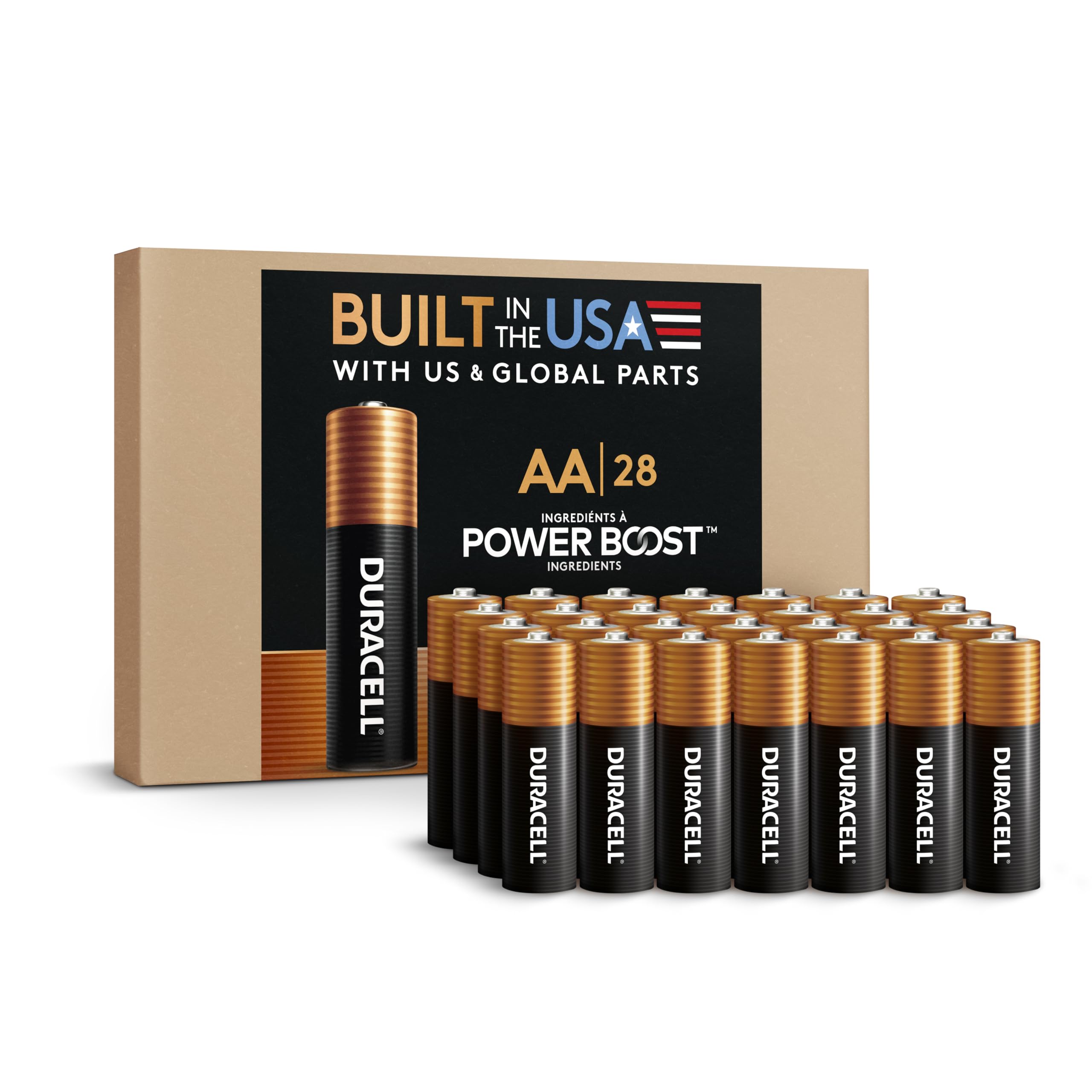
$23.93 (10% off) • 4.8/5.0 ⭐ (32,757 reviews)
Overview: A mainstream alkaline battery option designed for everyday household devices, backed by strong brand recognition and a 12-year storage guarantee.
Pros:
- 12-year storage guarantee provides reliable backup power for emergency kits and seasonal devices
- 28-count bulk pack offers better value than single packs for households with multiple devices
- Consistently high 4.8/5 rating across 32,000+ reviews indicates reliable real-world performance
Cons:
- Premium pricing at $23.93 for 28 batteries (~$0.85 each) versus budget alkaline alternatives
- Single-use disposable format creates ongoing waste and replacement costs compared to rechargeable options
Best For: Households seeking dependable batteries for remote controls, clocks, toys, and emergency flashlights where reliability and long shelf-life matter more than cost optimization.
Energizer AA and AAA Batteries Combo Pack

$29.98 (5% off) • 4.8/5.0 ⭐ (126,688 reviews)
Overview
A 48-count combo pack (24 AA + 24 AAA) of alkaline batteries designed for everyday household devices that need reliable, long-term power storage.
Pros
- Leak-resistant construction guaranteed for up to 2 years, protecting devices from corrosion damage
- 10-year storage life ensures batteries remain ready when needed for emergency kits or backup supplies
- High volume at $0.62 per battery offers better value than single-size packs for households with mixed device needs
Cons
- Alkaline chemistry means these aren't rechargeable, creating ongoing replacement costs compared to NiMH alternatives
- Premium pricing compared to generic alkaline brands; Energizer's brand reputation adds 20-30% cost premium
Best For
Households managing multiple device types (remotes, clocks, flashlights) who prioritize reliability and don't want to maintain separate battery inventories.
Energizer Ultimate Lithium AA Batteries

$45.00 (33% off) • 4.7/5.0 ⭐ (34,310 reviews)
Overview
Premium lithium AA batteries designed for high-drain and mission-critical devices that require extended runtime and reliable performance in demanding conditions.
Pros:
- 25-year shelf life provides genuine peace-of-mind backup power for emergency devices and seasonal equipment
- Operates reliably across -40°F to 140°F temperature range, making them genuinely suitable for outdoor surveillance and extreme-weather applications
- Leak-proof construction protects sensitive electronics from corrosion damage
Cons:
- $45 for 24 batteries ($1.88 per battery) costs significantly more than standard alkaline alternatives
- Overkill for low-drain devices like remote controls or wall clocks where alkaline batteries perform adequately
Best For:
Homeowners investing in outdoor smart home systems, emergency preparedness kits, and high-drain digital cameras where longevity and temperature resilience justify the premium price.
Energizer AA Alkaline Batteries (20-Pack)
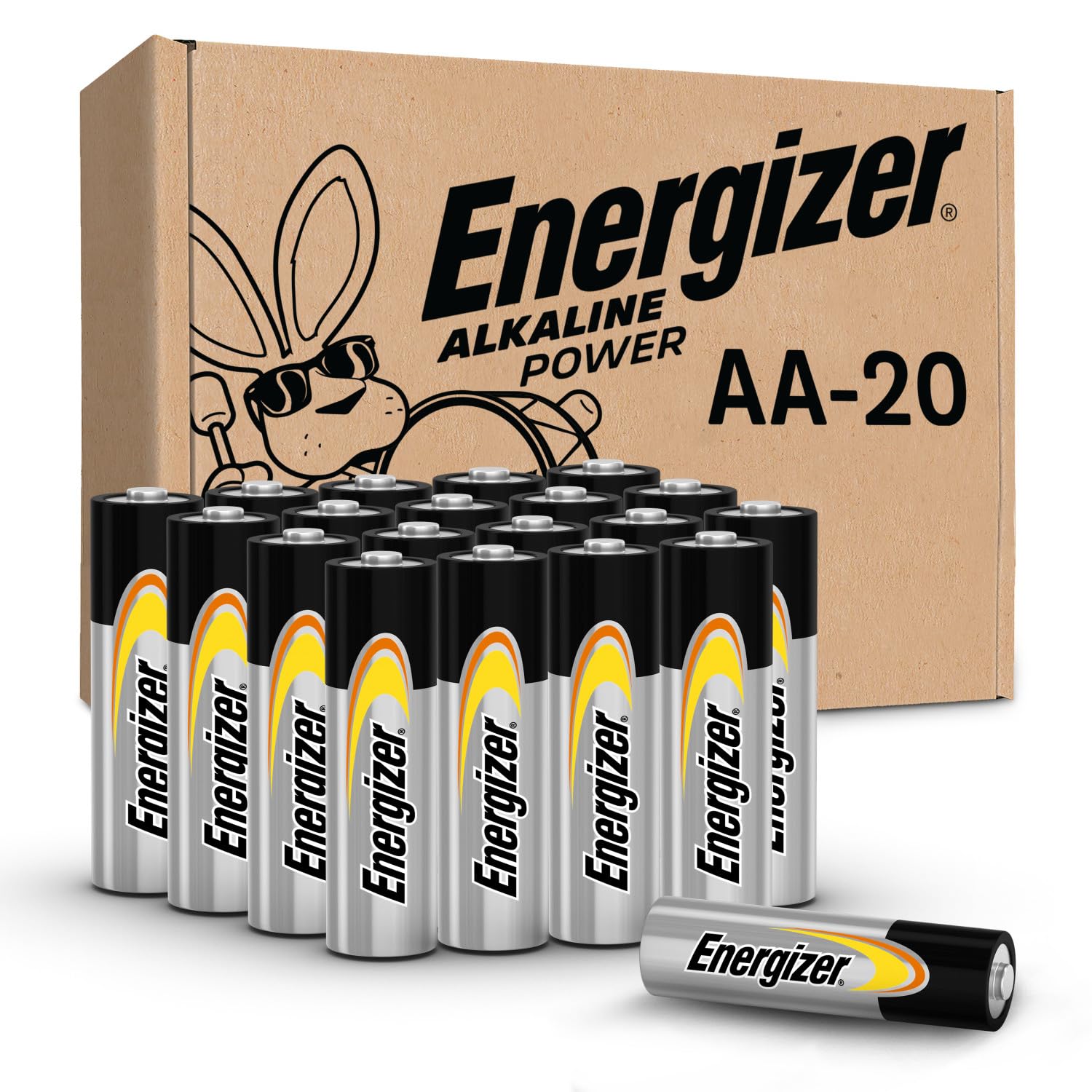
$11.99 (20% off) • 4.8/5.0 ⭐ (25,295 reviews)
Overview
A reliable 20-pack of alkaline batteries designed to power everyday household devices and serve as emergency backup power with extended storage capability.
Pros
- 10-year storage life ensures dependable emergency readiness without frequent replacement
- Leak-proof design protects devices for up to 2 years after battery depletion, reducing damage risk
- Versatile compatibility across common devices (controllers, flashlights, smart home devices, wireless peripherals)
Cons
- Single-use format creates ongoing costs compared to rechargeable alternatives for frequent users
- 4.8/5 rating suggests occasional quality inconsistencies despite generally positive reviews
Best For
Households seeking affordable, dependable backup power for occasional-use devices and emergency kits where long storage life matters more than cost-per-use efficiency.
Tenergy Premium PRO Rechargeable AA Batteries

$11.99 (5% off) • 4.4/5.0 ⭐ (2,569 reviews)
Overview:
A mid-capacity rechargeable AA battery pack designed for everyday household devices and occasional professional use, offering long-term cost savings over disposable alternatives.
Pros:
- 2800mAh capacity delivers reliable performance across temperature extremes (-4°F to 122°F), suitable for outdoor and varied environments
- Reusable up to 1,200 cycles with payback after ~10 uses, significantly reducing battery waste and long-term costs
- No-leak design with 12-month warranty provides peace of mind for household use
Cons:
- Self-discharge rate typical of NiMH batteries means they lose charge when unused for extended periods
- 2800mAh capacity lags behind premium competitors (some offer 2900-3000mAh), resulting in marginally shorter runtime
Best For:
Budget-conscious households seeking reliable rechargeable batteries for remote controls, cameras, and wireless devices with moderate to frequent use patterns.
Amazon Basics AA Alkaline Batteries 40-Pack

$15.49 (5% off) • 4.6/5.0 ⭐ (81,947 reviews)
Overview
A budget-friendly bulk pack of standard alkaline batteries designed for household devices, emergency preparedness, and light industrial use.
Pros:
- Excellent value at $0.39 per battery for a 40-pack, significantly cheaper than name brands for everyday devices
- 5-year shelf life makes these practical for emergency kits and long-term storage
- Anti-corrosion zinc composition reduces leakage risk in stored devices
Cons:
- Not ideal for high-drain devices like cameras or gaming controllers; performance lags behind premium brands
- Limited performance data on actual runtime compared to competitor specifications
Best For:
Households and small businesses needing reliable, affordable batteries for remotes, wireless mice, smoke detectors, and emergency supplies without premium performance requirements.
What to Look For When Buying Batteries
Battery Type and Chemistry
Why it matters: Different battery chemistries serve different purposes and have vastly different performance characteristics. Choosing the wrong type means wasting money on a battery that won't work well for your specific device.
What to look for:
- Alkaline batteries for low-drain devices (remotes, flashlights, clocks) since they're affordable and hold their charge for years
- Rechargeable NiMH batteries for high-drain devices (cameras, gaming controllers) because they save money long-term despite higher upfront costs
- Lithium-ion batteries for demanding applications like power tools and smartphones where you need maximum energy density and performance
- Specialty batteries (hearing aid, watch, button-cell) only if your device specifically requires them—using the wrong type can damage equipment
Capacity and Runtime
Why it matters: Battery capacity directly determines how long your device will run before needing replacement or recharging. Underestimating this means frequent battery changes and frustration.
What to look for:
- mAh (milliamp-hours) ratings on rechargeable batteries—higher numbers mean longer runtime between charges
- Watt-hours (Wh) for power banks and larger systems, which give you a more accurate picture of total energy storage
- Device requirements by checking your product manual to ensure the battery capacity matches your usage patterns (a camera needs more capacity than a remote)
Voltage and Compatibility
Why it matters: Using the wrong voltage can damage your device or cause it to malfunction entirely. This is a non-negotiable safety and compatibility issue.
What to look for:
- Standard voltage ratings (1.5V for AA/AAA, 3V for coin cells, 9V for specialty applications)
- Device specifications before purchasing—check the battery compartment or manual to confirm exact voltage requirements
- Terminal type compatibility for rechargeable systems, as some devices use specific connector types that won't work with mismatched batteries
Brand Reliability and Performance
Why it matters: Battery quality varies significantly between brands, affecting both performance consistency and how long batteries actually last. Premium brands typically deliver rated capacity, while budget brands often underperform.
What to look for:
- Established brands (Duracell, Energizer, Panasonic, Sony) that consistently deliver advertised performance and have strong warranties
- Independent reviews and capacity tests for rechargeable batteries, since real-world performance often differs from manufacturer claims
- Brand reputation for your specific use case—some brands excel with alkaline batteries while others dominate the rechargeable market
Shelf Life and Storage
Why it matters: Batteries lose charge over time, even when unused. Understanding shelf life prevents buying batteries that are already partially depleted or won't work when you need them.
What to look for:
- Expiration dates on packaging—avoid batteries more than 1-2 years old, especially alkaline types
- Low self-discharge technology on rechargeable batteries (labeled as "low self-discharge" or "pre-charged"), which can retain 70-80% charge after a year of storage
- Storage conditions recommendations, as batteries stored in hot environments degrade faster and lose capacity
Cost Per Use and Value
Why it matters: The cheapest battery upfront often costs more in the long run when you factor in how many you'll need. Understanding true cost per use helps you make economically smart decisions.
What to look for:
- Single-use vs. rechargeable math: Rechargeable batteries typically break even after 20-30 uses, so calculate your actual usage before choosing
- Bulk purchasing discounts for devices you use frequently (like TV remotes), which can reduce per-unit costs significantly
- Battery lifespan claims from manufacturers—compare how many charge cycles rechargeable batteries promise versus the price difference
Safety Certifications and Standards
Why it matters: Certified batteries meet safety standards that prevent leaks, explosions, and device damage. Uncertified batteries pose real safety and fire risks, especially in high-drain applications.
What to look for:
- CE marking or UL certification on packaging, indicating the battery meets international safety standards
- Leak-proof guarantees for alkaline batteries, which protects your devices from corrosive damage
- Proper disposal information, as many batteries contain hazardous materials and require special recycling
Device-Specific Requirements
Why it matters: Different devices have different power demands and requirements. A battery suitable for a wall clock may fail immediately in a high-powered camera or gaming controller.
What to look for:
- High-drain vs. low-drain device needs: High-drain devices (digital cameras, wireless controllers) need batteries that deliver consistent power under load
- Quantity required per device—some devices need multiple batteries, which affects your total purchase cost
- Device manual recommendations for approved battery types, as some manufacturers void warranties for non-approved batteries
Alkaline vs. Rechargeable: Understanding the Battery Divide
Choosing between alkaline and rechargeable batteries isn't just about convenience—it's about long-term costs, environmental impact, and device performance. While alkaline batteries offer simplicity and reliability, rechargeable systems deliver substantial savings and sustainability benefits for most households. Understanding when to use each type helps you make smarter purchasing decisions and reduce unnecessary waste.
When Alkaline Batteries Make Sense
Alkaline batteries remain essential for specific situations where their unique advantages shine. They excel in low-drain devices like remote controls, smoke detectors, and wall clocks—where they can last 5-10 years without replacement. For emergency preparedness, alkaline batteries' 10+ year shelf life makes them irreplaceable in flashlights, first-aid kits, and backup supplies. They're also the practical choice when you need immediate power without charging infrastructure.
Best uses for alkaline batteries:
- Emergency kits and disaster preparedness
- Low-drain devices (remotes, clocks, thermostats)
- Travel situations where charging isn't available
- Backup supplies for power outages
Why Rechargeable Batteries Win Long-Term
Rechargeable batteries deliver dramatic cost savings that compound over time. While a 4-pack of alkaline batteries costs $5-15 upfront, a rechargeable system (batteries plus charger) costs $20-40 but pays for itself within 6-12 months. Over 3-5 years, rechargeable options cost 70-80% less than continuously buying disposables. For high-drain devices like cameras and gaming controllers, rechargeables drain 3-4x slower, meaning fewer battery swaps and better performance consistency.
Key advantages of rechargeable batteries:
- 70-80% lower costs over 3-5 years
- Reduce e-waste and environmental impact
- Perform better in high-drain devices
- Convenient for households with multiple devices
The Cost-Per-Use Reality Check
Calculate your true battery spending to determine which option makes financial sense. If your household spends $50-100+ annually on disposable batteries, switching to rechargeable systems is a no-brainer investment. A typical family using 20-30 alkaline batteries yearly pays $30-50 annually; rechargeable systems eliminate this recurring expense after the initial $25-35 investment. Track your battery purchases for three months to identify your spending pattern and break-even timeline.
Decoding Battery Specifications: mAh, Voltage, and Chemistry
Understanding battery specs helps you choose the right power source for any device. This guide breaks down the key specifications—mAh, voltage, and chemistry—so you can make informed purchasing decisions and avoid compatibility issues.
What mAh Actually Means for Device Runtime
mAh (milliamp-hours) measures a battery's energy capacity and directly determines how long your device runs before needing replacement or recharging. A higher mAh rating means more stored energy and longer runtime. For example, a 2,500 mAh battery lasts roughly twice as long as a 1,250 mAh battery in the same device. Think of mAh like a fuel tank size—bigger tanks keep devices running longer between fill-ups.
Voltage Requirements and Size Compatibility
Battery voltage must match your device's requirements, or you'll risk damage to circuits and components. Common household sizes include:
- AA and AAA: 1.5V (most common for remote controls, flashlights, toys)
- C and D: 1.5V (high-drain devices like portable speakers)
- 9V: 9V (smoke detectors, guitar effects pedals)
- Specialty types: Button cells (watches), CR123A (cameras), hearing aid batteries (zinc-air)
Always check your device's manual or battery compartment label before purchasing to ensure exact voltage and size compatibility.
Battery Chemistry Explained: NiMH, Lithium-Ion, and Specialty Batteries
NiMH (Nickel-Metal Hydride) offers the best value for household use, providing reliable performance across common devices while remaining rechargeable and affordable. Lithium-ion dominates professional cameras, power tools, and high-drain applications due to superior energy density and longer lifespan. Self-discharge rates vary significantly: standard NiMH loses 15-20% monthly, while low-discharge (LSD) NiMH loses less than 5% monthly—ideal for emergency supplies. Specialty batteries like zinc-air (hearing aids) and silver-oxide (watches) are optimized for specific applications and shouldn't be substituted with standard types.
The True Cost of Battery Ownership: Beyond the Price Tag
Calculating Total Cost of Ownership
When comparing batteries, the upfront price tells only part of the story. A single rechargeable battery used 500 times effectively replaces 500 disposable batteries—meaning one $8 rechargeable unit can save you $50-100 over its lifetime. Factor in the cost of a charger (typically $15-40) and you're still ahead financially within the first year of regular use. For families or professionals who use multiple batteries weekly, the math becomes even more compelling, often delivering savings of $200-400 annually.
Key financial considerations:
- Initial charger investment pays for itself in 3-6 months
- Cost per use drops dramatically after 50-100 charge cycles
- Bulk purchasing rechargeable batteries offers better per-unit pricing
- Battery longevity varies; premium brands last 5-7 years vs. 2-3 years for budget options
Leak-Proof Technology and Device Protection ROI
Battery leakage costs consumers hundreds of millions annually in device damage, corrosion, and replacements. Premium leak-proof batteries ($10-15 more per pack) use advanced sealing technology and safer chemical formulations to virtually eliminate leakage risk. A single leaked battery can damage a $50-300 device—making the small premium investment in quality batteries a smart insurance policy. Parents and emergency preparedness enthusiasts especially benefit from leak-proof options, knowing stored batteries won't destroy flashlights, emergency radios, or children's toys.
Protection benefits include:
- Zero corrosion damage to device contacts
- Safe storage for emergency kits lasting 5+ years
- Peace of mind for high-value electronics
- Reduced replacement costs for damaged devices
Environmental Costs and Hidden Expenses
Disposable batteries generate 15 billion units of e-waste annually, creating environmental and cleanup costs that consumers don't directly see. Switching to rechargeable options reduces your personal battery waste by 99%, while also lowering the hidden environmental taxes embedded in product pricing. Fast-charging systems cost 30-50% more upfront but save professionals and power users significant downtime costs—a photographer or contractor losing work hours to dead batteries quickly recovers that investment. Low self-discharge rechargeable batteries cost 20-35% more but ensure emergency supplies remain ready when needed, eliminating the frustration and expense of dead batteries during critical moments.
Hidden expenses to consider:
- Environmental cleanup costs (passed to consumers through taxes)
- Device replacement due to leakage damage
- Lost productivity from dead batteries in critical situations
- Premium pricing for premium leak-proof and low-discharge models
Device-Specific Battery Strategies: Match Your Devices Perfectly
Household Essentials: Remote Controls, Flashlights, and Emergency Kits
Your battery choice depends entirely on how often you'll actually use each device. Remote controls and wall clocks draw minimal power, making budget alkaline batteries the smart choice—they'll outlast the device's usefulness anyway. However, emergency kits demand premium alkaline batteries like Duracell Ultra or Energizer Max, which maintain 90% capacity after 10+ years of storage. This reliability difference justifies the higher upfront cost when lives and safety depend on your flashlight actually working during a crisis.
Emergency Kit Essentials:
- Premium alkaline batteries (Duracell Ultra, Energizer Max)
- 10+ year shelf life guarantee
- Ideal for: flashlights, first-aid kits, weather radios
Tech Professional Setup: Wireless Peripherals, Cameras, and Portable Power
Professional setups benefit dramatically from strategic battery selection across different device categories. Wireless mice, keyboards, and headsets work best with rechargeable NiMH batteries featuring low self-discharge rates—they maintain 80% charge after a year unused. Professional cameras demand OEM lithium-ion batteries (Canon, Sony, Nikon) that ensure compatibility, faster charging, and optimal performance. This targeted approach eliminates mid-project power failures while reducing your long-term battery expenses.
Professional Device Recommendations:
- Wireless peripherals: Rechargeable NiMH (Eneloop, Amazon Basics)
- Digital cameras: OEM lithium-ion batteries only
- Backup power: Premium alkaline for emergency situations
High-Drain Devices: Gaming Controllers, Digital Cameras, and Content Creation Gear
High-drain devices like gaming controllers and mirrorless cameras justify premium battery investments through measurable performance gains. Gaming controllers with wireless technology drain batteries 3-5x faster than passive devices, making premium rechargeable or lithium-ion options essential for uninterrupted gameplay. Content creators especially benefit from reliable batteries—unexpected power loss during a shoot wastes time, money, and creative momentum. Investing 20-30% more in quality batteries eliminates downtime and delivers consistent performance when it matters most.
High-Drain Device Solutions:
- Gaming controllers: Premium rechargeable or lithium-ion
- Mirrorless cameras: High-capacity lithium-ion (OEM preferred)
- Content creation: Backup batteries + premium charger system
Smart Charging: Maximizing Your Battery Investment
Investing in the right charger pays dividends over time. While basic chargers cost just $15-25, smart chargers ($40-80) protect your batteries through intelligent charging cycles that prevent overcharging and significantly extend lifespan. For frequent users, this means replacing batteries less often and enjoying reliable performance when you need it most. The upfront cost difference typically pays for itself within a year through reduced battery replacement expenses.
Basic vs. Smart Chargers: What Features Actually Matter
Smart chargers deliver real advantages beyond basic models. LCD displays show individual battery charging status and remaining capacity, eliminating guesswork about readiness. Smart chargers automatically adjust charging rates based on battery condition, preventing the heat damage that shortens battery life. Key features worth prioritizing:
- Individual slot monitoring for each battery
- Temperature sensors to prevent overheating
- Automatic shutoff when charging completes
- Compatibility with multiple battery types (AA, AAA, C, D)
Multi-Chemistry Chargers: Simplifying Your Battery Management
Universal multi-chemistry chargers ($60-100) eliminate the frustration of owning multiple single-purpose devices. These versatile units handle AA, AAA, and 9V batteries in one compact station, perfect for households with diverse battery needs. You'll save shelf space, reduce clutter, and always have the right charger available—no more searching through drawers during emergencies.
Solar and Fast-Charging Innovations for 2025
Modern charging technology offers solutions for every lifestyle. Solar chargers ($60-120) enable completely off-grid charging for camping trips, emergency preparedness, and outdoor adventures. Fast-charging systems reduce typical 8-12 hour cycles to just 1-2 hours, appealing to professionals and frequent users who can't wait. Smart brands now integrate app connectivity and IoT features, making battery management increasingly seamless and intuitive.
Frequently Asked Questions
What's the difference between mAh and Wh, and why does it matter?
mAh (milliamp-hours) measures battery capacity for standard batteries like AA/AAA—higher mAh means longer runtime. Wh (watt-hours) is used for larger systems like power banks and accounts for voltage differences, giving a more accurate energy picture. For everyday batteries, match the mAh to your device's needs: most household devices work great with 1500-2500 mAh rechargeable batteries, while professional equipment may need 2500+ mAh. The key takeaway: mAh tells you how long a battery lasts, so higher capacity is better if your device can use it efficiently.
Conclusion
The Amazon Basics 20-Pack AA Alkaline Batteries stand out as the best choice for reliable, affordable power. With their 10-year shelf life and consistent 1.5-volt performance, they deliver excellent value whether you need everyday batteries for household devices or emergency backup power. Amazon's trusted brand backing ensures quality you can depend on.
Ready to stock up? Click the link above to order your pack today and never worry about dead batteries again. Have questions about battery performance or storage? Drop a comment below—we're here to help!