Cook Like a Pro with These Nonstick Pans
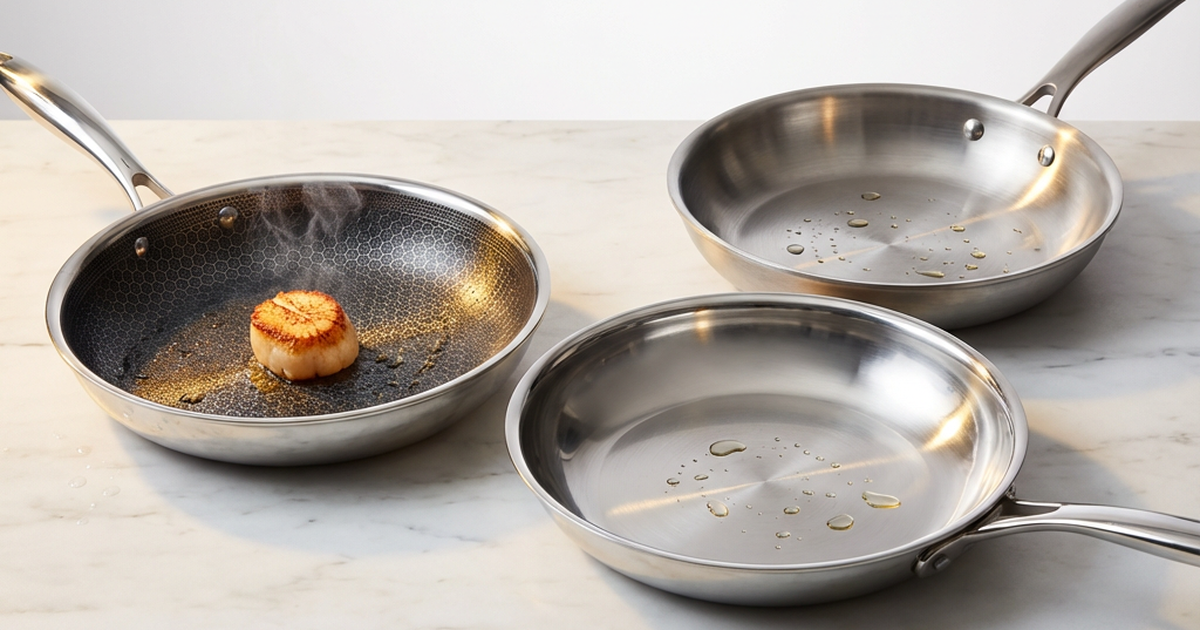
You've probably stood in the cookware aisle (or scrolled endlessly online) wondering if that fancy nonstick pan is actually worth it—or if you're throwing money away on hype. Here's the truth: the right nonstick pan transforms weeknight cooking, but the wrong one flakes apart after a few months and leaves you skeptical of the whole category.
This guide cuts through the confusion with honest recommendations across every price point, real answers about coating safety, and the durability secrets that separate pans that last from ones that don't. Whether you're building your first kitchen or upgrading after a disappointing purchase, you'll discover exactly which pans deliver restaurant-quality results at home.
🚀 Get FREE 2-Day Shipping with Amazon Prime
Try Amazon Prime FREE for 30 days! Enjoy fast, free delivery on millions of items, plus exclusive access to movies, TV shows, music, and more.
Start Your Free Trial →No commitment. Cancel anytime during the trial.
Our Top Picks
HexClad Hybrid Nonstick 10-Inch Frying Pan

Overview
A hybrid nonstick frying pan designed for everyday cooking that combines stainless steel durability with ceramic nonstick performance, ideal for searing proteins and sautéing vegetables for one to two people.
Pros
- Hybrid hexagonal surface enables metal utensil use and superior browning compared to traditional nonstick coatings, while remaining dishwasher-safe
- Tri-ply construction with aluminum core ensures even heat distribution; oven-safe to 900°F and compatible with all cooktop types including induction
- Lifetime manufacturer warranty provides long-term peace of mind against defects
Cons
- At $119, it's a premium price point compared to standard nonstick alternatives; lid sold separately
- 4.2/5 rating suggests some users experience durability concerns over extended use despite warranty coverage
Best For
Home cooks and busy professionals seeking a versatile, durable nonstick pan that handles frequent use and dishwasher cleaning without compromising cooking performance.
Quick Comparison Table
| Product | Price | Rating | Reviews |
|---|---|---|---|
| HexClad Hybrid Nonstick 10-Inch Frying P... | $119.00 (20% off) | 4.2/5.0 ⭐ | 16,978 |
| Made In Cookware - 10-Inch Stainless Ste... | $129.00 | 4.5/5.0 ⭐ | 2,169 |
| Misen 5-Ply Stainless Steel 10" Frying P... | $74.25 (25% off) | 4.4/5.0 ⭐ | 2,376 |
| Caraway Nonstick Ceramic Frying Pan (2.7... | $113.00 (16% off) | 4.3/5.0 ⭐ | 5,568 |
Made In 10-Inch Stainless Steel Frying Pan

Overview
A premium 5-ply stainless steel frying pan designed for serious home cooks seeking professional-grade heat control and durability across all cooktop types, including induction.
Pros
- 5-layer construction delivers superior, even heat distribution compared to standard 3-ply alternatives
- Stay-cool handle with stainless steel rivets provides comfortable, long-lasting performance
- Works seamlessly on induction, gas, electric, and ceramic cooktops for maximum versatility
Cons
- $129 price point positions it at the premium end; requires hand-washing to maintain surface longevity
- Smaller 7.5" cooking surface may feel limiting for larger batch cooking or family meals
Best For
Intermediate to advanced home cooks and busy professionals willing to invest in a versatile, durable pan that eliminates the need for multiple cookware across different stovetop types.
Misen 5-Ply Stainless Steel 10" Frying Pan

Overview
A professional-grade stainless steel frying pan designed for serious home cooks who want durability, even heat distribution, and versatility across all stovetop types.
Pros
- 5-ply construction with 3.0mm thickness delivers superior heat retention and eliminates hot spots, ideal for searing and consistent browning
- 800°F oven-safe rating and warp-resistant design handle both stovetop and oven finishing techniques without compromise
- 20% larger cooking surface than competitors provides genuine practical advantage for batch cooking without crowding
Cons
- Stainless steel requires proper seasoning techniques and oil for optimal nonstick performance—not true nonstick like PTFE-coated alternatives
- Heavier construction (typical for 5-ply) may feel cumbersome for some users during extended cooking sessions
Best For
Intermediate to advanced home cooks seeking a long-term investment pan that prioritizes heat control and oven versatility over effortless food release.
Caraway Nonstick Ceramic Frying Pan 10.5

Overview:
A ceramic nonstick frying pan designed for health-conscious home cooks seeking PTFE/PFOA-free cookware that performs across all stovetop types while maintaining aesthetic appeal.
Pros:
- Naturally nonstick ceramic coating reduces oil/butter needs and simplifies cleanup without harsh scrubbing
- Oven-safe to 550°F and compatible with gas, electric, and induction cooktops for kitchen versatility
- Free of PTFE, PFOA, PFAS, lead, and cadmium—addressing key safety concerns for families prioritizing non-toxic cookware
Cons:
- 4.3/5 rating suggests durability concerns; ceramic coatings typically wear faster than traditional nonstick with frequent use
- Requires low-to-medium heat operation, limiting searing capability compared to conventional cookware
Best For:
Health-conscious home cooks and busy professionals who prioritize non-toxic materials and easy cleanup over high-heat cooking performance.
What to Look for When Buying Nonstick Cookware Pans
Coating Type and Durability
The nonstick coating is the heart of your pan—it determines how long the cookware will last and whether it maintains its non-stick properties over time. Look for pans with multi-layer coatings or reinforced surfaces, as these resist scratching and peeling better than single-layer options. This matters because a damaged coating can flake into food and render the pan useless, making durability a key factor in getting value from your investment.
Heat Distribution and Material
Even heat distribution prevents hot spots that cause uneven cooking and food burning, which is why the base material (aluminum, stainless steel, or copper) significantly impacts performance. Check product specifications for multi-ply construction or thick bases—these conduct heat more evenly than thin, single-layer pans. Better heat distribution means more consistent cooking results and fewer ruined meals, especially important for intermediate cooks who rely on precise temperature control.
Oven and Stovetop Compatibility
Different pans have different temperature limits depending on their handle materials and construction—some are oven-safe only to 350°F while others handle 500°F or higher. Verify the maximum oven temperature and whether the pan works on your specific stovetop type (gas, electric, or induction), as this determines how versatile the cookware is in your kitchen. This matters because incompatibility limits how you can use the pan, potentially making it unsuitable for your cooking style.
Handle Design and Comfort
Handles should be ergonomic, heat-resistant, and securely riveted or welded to the pan body to prevent loosening over time. Test the weight distribution—a well-balanced pan reduces hand fatigue during cooking and improves safety when moving hot cookware. Comfortable, secure handles are essential for both safety and enjoyment, especially for busy professionals and home cooks who use their pans frequently.
Pan Size and Set Composition
Individual pan sizes (8, 10, 12 inches) serve different cooking needs—smaller pans for eggs and sauces, larger ones for proteins and vegetables—so consider which sizes match your typical meals. If buying a set, verify you actually need all included pieces rather than paying for redundant pans you won't use. Right-sizing your cookware prevents wasted money on unnecessary items while ensuring you have the specific sizes that fit your cooking habits.
Maintenance Requirements and Seasoning
Some nonstick pans require hand-washing only, while others are dishwasher-safe; some need periodic seasoning or special care to maintain the coating. Check the manufacturer's care instructions before buying, as high-maintenance cookware can become a burden if you prefer convenience. This matters because cookware you won't properly maintain will degrade faster, making easier-care options better long-term investments for busy households.
Price Point and Warranty
Nonstick cookware ranges from budget options ($20-40 per pan) to premium brands ($100+), with mid-range options ($40-80) often offering the best balance of durability and value. Look for warranties that cover coating defects—longer warranties (3-10 years) indicate the manufacturer's confidence in durability. Understanding the price-to-durability relationship helps you avoid both cheap pans that fail quickly and unnecessarily expensive options that don't justify their cost.
Understanding Nonstick Coating Technology: What Actually Matters
Today's nonstick cookware has evolved far beyond basic Teflon. Modern coatings combine safety innovations with enhanced durability, giving home cooks more reliable options than ever before. Understanding the differences between coating types helps you choose pans that match your cooking habits and longevity expectations. The key is recognizing that coating technology alone doesn't determine a pan's lifespan—base construction and manufacturing quality matter equally.
Modern Coatings Beyond Traditional Teflon
PTFE (Teflon) remains the gold standard for nonstick performance, but today's formulations are fundamentally different from those used decades ago. Most reputable brands now offer PFOA-free PTFE coatings that deliver superior release properties compared to ceramic alternatives. Ceramic coatings have gained popularity for their perceived safety, though they typically lose effectiveness after 2-3 years of regular use. The real innovation lies in hybrid systems:
- Ceramic-hybrid coatings layer ceramic particles with reinforced PTFE for balanced durability and safety
- Multi-layer proprietary systems (like GreenPan's Valencia Pro or Caraway's coating) combine plant-based and mineral components for extended performance
- Hard-anodized bases with reinforced topcoats can maintain nonstick properties for 5+ years with proper care
Health & Safety: Separating Fact from Fear
The original concern about nonstick cookware centered on PFOA (perfluorooctanoic acid), a manufacturing chemical linked to health risks. The EPA phased out PFOA in 2013, and all major manufacturers eliminated it years earlier. Modern PTFE coatings are safe when used properly—they don't break down at normal cooking temperatures (under 500°F) and pose no health risk if accidentally ingested in small amounts. When evaluating brands, look for explicit PFOA-free certifications and transparent ingredient disclosure rather than relying on marketing claims alone.
Durability: Why Some Coatings Last 5+ Years
Coating thickness directly impacts longevity. Premium pans feature 2-4 micron coatings versus budget models' 0.5-1 micron layers. Reinforcement matters more than material type—a well-formulated ceramic-hybrid with hardening agents outlasts pure ceramic by years. Base construction plays an equally critical role: hard-anodized aluminum and stainless steel cores distribute heat evenly and resist warping, which prevents coating damage. Real-world durability depends on usage patterns, cleaning methods, and utensil type, but quality pans typically maintain 80% nonstick performance for 3-5 years with proper care.
The Hidden Cost of Cheap Pans: Why Price Tells the Real Story
Budget pans seem like a smart financial choice until you're replacing them every year. While a $40 pan feels like a bargain upfront, the true cost emerges when you factor in replacement cycles, performance issues, and frustration. Understanding the relationship between price and longevity reveals that mid-range and premium options often deliver better value over time.
The True Cost of Replacement Cycles
Budget pans ($20-60) typically degrade within 12-18 months, forcing you into constant replacement cycles that add up quickly. When you calculate the annual cost, a cheap pan costing $40 and lasting 1.5 years equals approximately $27 per year. Compare this to a $200 premium pan lasting 7 years, which costs just $28 per year—while performing significantly better throughout its lifespan. Mid-range pans ($60-150) hit the sweet spot for most home cooks, maintaining their nonstick properties for 3-4 years with proper care, making them the most practical investment for everyday cooking.
Durability Across Price Tiers
The difference in construction quality directly impacts how long your pan survives regular use:
- Budget pans: Thin aluminum bases create hot spots; riveted handles loosen within months; nonstick coating flakes after 12-18 months
- Mid-range pans: Thicker, more uniform bases distribute heat evenly; reinforced handles stay secure; nonstick coating resists degradation for 3-4 years
- Premium pans: Heavy-duty construction with superior heat distribution; welded or integrated handles that last 5-10 years; professional-grade coatings maintain performance
Warranty length also reflects manufacturer confidence—budget pans typically carry 1-2 year warranties, while premium options offer 5-10 year coverage.
Performance Differences That Actually Matter
Thin aluminum in budget pans creates uneven heating that causes frustration in the kitchen. Your eggs cook unevenly, pancakes brown in patches, and sauces scorch in hot spots despite careful attention. Mid-range and premium pans feature thicker bases that distribute heat uniformly across the cooking surface, giving you consistent results every time. Premium pans also offer superior heat retention and responsiveness, allowing precise temperature control—essential for techniques like searing, sautéing, and sauce-making where precision matters.
Essential Features That Separate Good Pans from Great Ones
Heat Distribution & Core Construction
The foundation of cooking performance lies in how evenly heat spreads across your pan's surface. Aluminum and copper cores are superior heat conductors that eliminate hot spots—those annoying areas where food sticks or burns while other sections remain cool. A thicker base (typically 3-5mm) is crucial because it absorbs and distributes heat more uniformly, preventing the temperature fluctuations that cause uneven cooking and sticking. Look for pans with multi-layer construction: stainless steel exterior, aluminum or copper middle layer, and stainless steel interior for durability and performance.
Handle Design & Safety
Your pan's handle directly impacts comfort, safety, and longevity in the kitchen. Stainless steel handles stay significantly cooler during cooking and resist corrosion from moisture and dishwashers, unlike silicone coatings that degrade after repeated heat exposure. The attachment method matters tremendously:
- Riveted handles are mechanically fastened and last longer than welded versions
- Inspect riveting quality before purchasing—look for tight, evenly-spaced rivets with no gaps
- Ergonomic design with a slight curve reduces wrist strain during extended cooking sessions
Choose handles with a slight upward angle for better control and less fatigue over time.
Oven Temperature Ratings & Versatility
Not all pans can handle the same oven temperatures, and this directly affects your cooking flexibility. Temperature ratings fall into three categories:
- 350°F (limiting) — restricts you to stovetop-to-oven recipes with low-temperature finishes
- 400-450°F (versatile) — handles most home cooking needs, from searing to finishing dishes
- 500°F+ (professional-grade) — enables high-heat techniques like broiling and advanced searing
If you enjoy recipes that start on the stovetop and finish in the oven, prioritize pans rated for 450°F or higher. This single feature dramatically expands your cooking possibilities without needing multiple pans.
Induction Compatibility: The Growing Standard
Induction cooktops are experiencing rapid adoption, growing 15% annually, making compatibility an increasingly important consideration. Induction requires ferromagnetic cookware—a magnet must stick to the pan's bottom for it to work. If you currently use gas or electric but plan to upgrade, or if you're shopping for future-proofing, choose induction-compatible pans now. Most quality stainless steel pans work with induction, but always verify the product specifications or test with a magnet before purchasing.
Maintenance Secrets: How to Make Your Nonstick Pan Last
Your nonstick pan is an investment worth protecting. With the right care habits, you can double or even triple its lifespan—transforming a 3-year pan into one that performs flawlessly for 5+ years. The secret isn't complicated; it's about understanding what damages nonstick coatings and avoiding those pitfalls consistently.
Hand-Washing vs. Dishwasher: The Real Difference
Hand-washing is the single most important factor in extending your nonstick pan's life. Dishwashers use high heat, abrasive detergents, and powerful water jets that erode nonstick coatings by 50% or more compared to hand-washing. Simply wash your pan with warm soapy water and a soft sponge immediately after cooking, then dry it thoroughly before storing. This simple habit can add years to your pan's performance.
Tools That Won't Destroy Your Coating
Metal utensils are the enemy of nonstick surfaces. Every time a fork or metal spatula scrapes the coating, it creates microscopic scratches that accumulate over time. Protect your investment by using only:
- Wooden spoons and spatulas
- Silicone utensils
- Plastic or nylon tools
These alternatives glide smoothly across the surface without causing damage, keeping your pan's nonstick properties intact for years.
Temperature Management & Seasoning
High heat degrades nonstick coatings faster than normal cooking temperatures. Cook on medium or medium-low heat whenever possible—your food will cook just as well while preserving the coating. Pre-heat your pan for 1-2 minutes, but avoid leaving it empty on the stove for extended periods, as prolonged heating without food accelerates coating degradation and reduces longevity.
Health & Safety: Making Informed Choices About Coatings
When selecting cookware, understanding coating safety helps you make confident decisions. Modern nonstick cookware is significantly safer than it was two decades ago, thanks to regulatory changes and industry improvements. This guide breaks down the science behind common concerns and shows you how to identify genuinely safe products.
PFOA, PTFE & "Forever Chemicals": What the Science Says
PFOA (perfluorooctanoic acid) was phased out in 2013 after concerns about its environmental persistence and health effects. Reputable cookware brands have been PFOA-free for over a decade, making this a non-issue with established manufacturers. PTFE (Teflon) itself is safe—the coating doesn't break down during normal cooking and passes through your digestive system unchanged if ingested. The historical health concerns stemmed from manufacturing byproducts, not the coating itself.
Temperature matters: Nonstick coatings remain stable during normal cooking (350–450°F) but can release fumes if overheated beyond 500°F. Stick to medium-high heat, and your cookware poses no safety risk.
Ceramic Coatings: Benefits & Trade-offs
Ceramic coatings appeal to health-conscious buyers because they contain no PTFE or PFOA and feel like a "natural" alternative. However, they typically wear 40–60% faster than traditional nonstick, requiring replacement every 2–3 years instead of 5–7 years. The long-term cost often exceeds premium PTFE options, and performance degrades noticeably as the coating chips.
Consider ceramic if:
- You prioritize peace of mind over durability
- You're willing to replace cookware more frequently
- You cook at high temperatures regularly
Skip ceramic if:
- You want longevity and value
- Budget is a primary concern
- You use metal utensils
How to Evaluate Brand Transparency
Trustworthy manufacturers clearly disclose coating ingredients and manufacturing processes on their websites or product packaging. Red flags include vague claims like "proprietary blend" or "secret formula"—legitimate brands have nothing to hide. Look for third-party certifications such as GREENGUARD Gold (low chemical emissions), Cradle-to-Cradle (environmental responsibility), or independent testing from organizations like NSF International.
Established brands worth considering:
- All-Clad
- Calphalon
- T-fal
- Le Creuset
These manufacturers invest heavily in safety testing and maintain transparent supply chains. New parents and health-conscious households should prioritize PFOA-free options—the cost difference is typically $5–15 per pan, a worthwhile investment for peace of mind.
Frequently Asked Questions
What's the Difference Between PTFE and Ceramic Coatings?
PTFE vs. Ceramic Coatings
PTFE (Teflon) is a proven synthetic polymer that's been safely used for 70+ years and typically lasts 3-5+ years with proper care, while ceramic coatings are made from inorganic materials and usually last 2-3 years before degrading. Both are safe for normal cooking temperatures under 500°F, but PTFE performs better at higher heat and maintains its nonstick properties longer. Ceramic appeals to those seeking non-synthetic options, while PTFE offers superior durability—though many premium brands now offer ceramic-hybrid options combining the best of both. Ultimately, your choice should depend on personal priorities and cooking habits, since proper maintenance matters more than coating type for extending lifespan.
Conclusion
The HexClad Hybrid Nonstick 10-Inch Frying Pan stands out as the superior choice for versatile home cooks. Its exceptional heat tolerance (up to 900°F), dishwasher-friendly design, and compatibility with all cooktops make it an investment that delivers professional-quality results without the maintenance headaches of traditional cookware.
Ready to upgrade your kitchen? Purchase the HexClad pan today and experience the difference quality cookware makes. Have questions about this recommendation? Share your thoughts in the comments below—we'd love to hear from you!