Comfortable Winter Footwear: Cozy Solutions That Actually Work
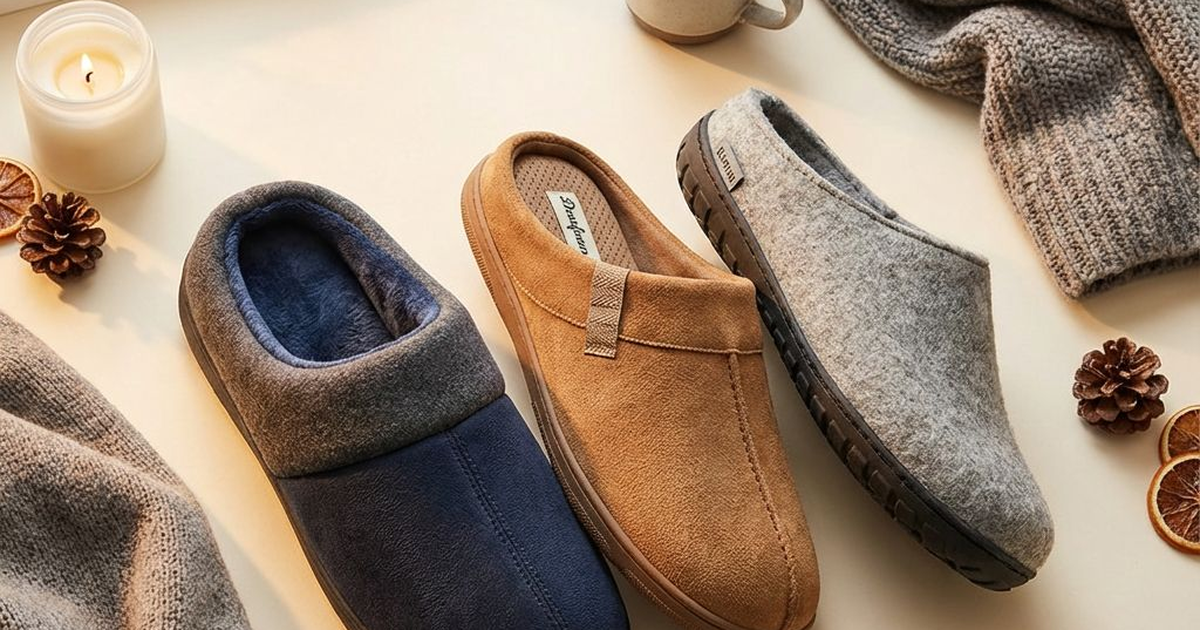
Cold feet don't just ruin your winter—they can derail your entire day, whether you're working from home, hiking in the snow, or simply trying to relax on the couch. Most winter foot products fail to deliver: they either trap moisture, cause blisters, or fall apart after one season, leaving you with numb toes and wasted money. This guide cuts through the noise to reveal exactly which materials and products actually keep your feet warm, dry, and comfortable all season long. We've analyzed the top performers across boots, socks, slippers, and heating solutions to help you find the perfect fit for your lifestyle—whether you're an outdoor adventurer or work-from-home professional.
🚀 Get FREE 2-Day Shipping with Amazon Prime
Try Amazon Prime FREE for 30 days! Enjoy fast, free delivery on millions of items, plus exclusive access to movies, TV shows, music, and more.
Start Your Free Trial →No commitment. Cancel anytime during the trial.
Our Top Picks
RockDove Men's Memory Foam Slipper

$20.79 with 41 percent savings • 4.5/5.0 ⭐ (157,581 reviews)
Overview
A budget-friendly memory foam slipper designed for indoor winter comfort, offering cushioned support for casual home wear during cold months.
Pros:
- Exceptional value at $20.79 (41% off), making it accessible for seasonal foot comfort needs
- Memory foam construction provides moldable cushioning for personalized arch support
- Two-tone design offers versatile styling for everyday indoor wear
Cons:
- Memory foam may compress over time with extended daily use, reducing long-term durability
- Limited insulation compared to fully insulated winter slippers for unheated spaces
Best For:
Homeowners seeking affordable, comfortable indoor footwear for casual winter lounging and moderate cold-weather foot comfort.
Quick Comparison Table
| Product | Price | Rating |
|---|---|---|
| RockDove Men's Original Two-Tone Memory ... | $20.79 with 41 percent savings | 4.5/5.0 [star] |
| Dearfoams Men’s Brendan Indoor/Outdoor B... | $25.00 with 17 percent savings | 4.4/5.0 [star] |
| Glerups 100% quality wool mix Slipper wi... | $135.00 | 4.4/5.0 [star] |
| ONCAI Mens Clog Slippers with Arch Suppo... | $19.99 with 50 percent savings | 4.3/5.0 [star] |
| UGG Men's Tasman II Slipper... | $112.50 with 10 percent savings | 4.7/5.0 [star] |
| Vionic Men's Gustavo Slipper... | $120.00 | 4.3/5.0 [star] |
| Koolaburra by UGG Men's Burree Slipper... | $63.79 | 4.6/5.0 [star] |
Dearfoams Men's Brendan Memory Foam Clog Slipper
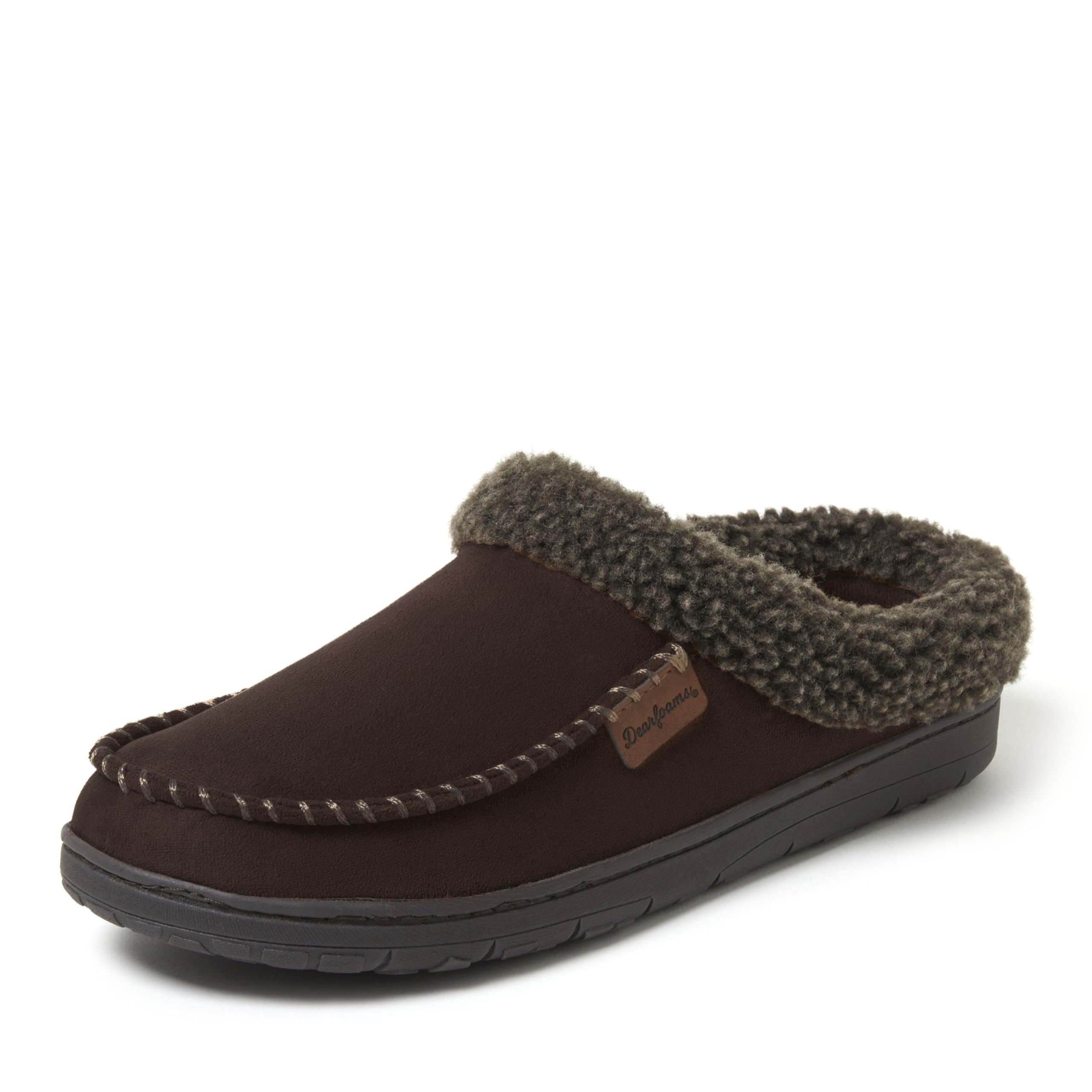
$25.00 with 17 percent savings • 4.4/5.0 ⭐ (20,429 reviews)
Overview: A memory foam clog slipper designed for indoor and outdoor use, combining comfort with practical versatility for cold-weather home lounging and quick outdoor trips.
Pros:
- Memory foam cushioning provides targeted arch support for extended wear
- Wide width options accommodate various foot shapes, addressing a common fit challenge
- Breathable construction prevents moisture buildup during extended use
- 4.4/5 rating from 20,000+ reviews indicates consistent quality
Cons:
- Indoor/outdoor hybrid design may compromise specialized performance in either setting
- Clog style offers less ankle support than traditional slippers
Best For: Homeowners seeking affordable, comfortable slippers for casual indoor wear and quick outdoor tasks who prioritize fit options and arch support over premium materials.
Glerups Wool Mix Slipper with Rubber Sole
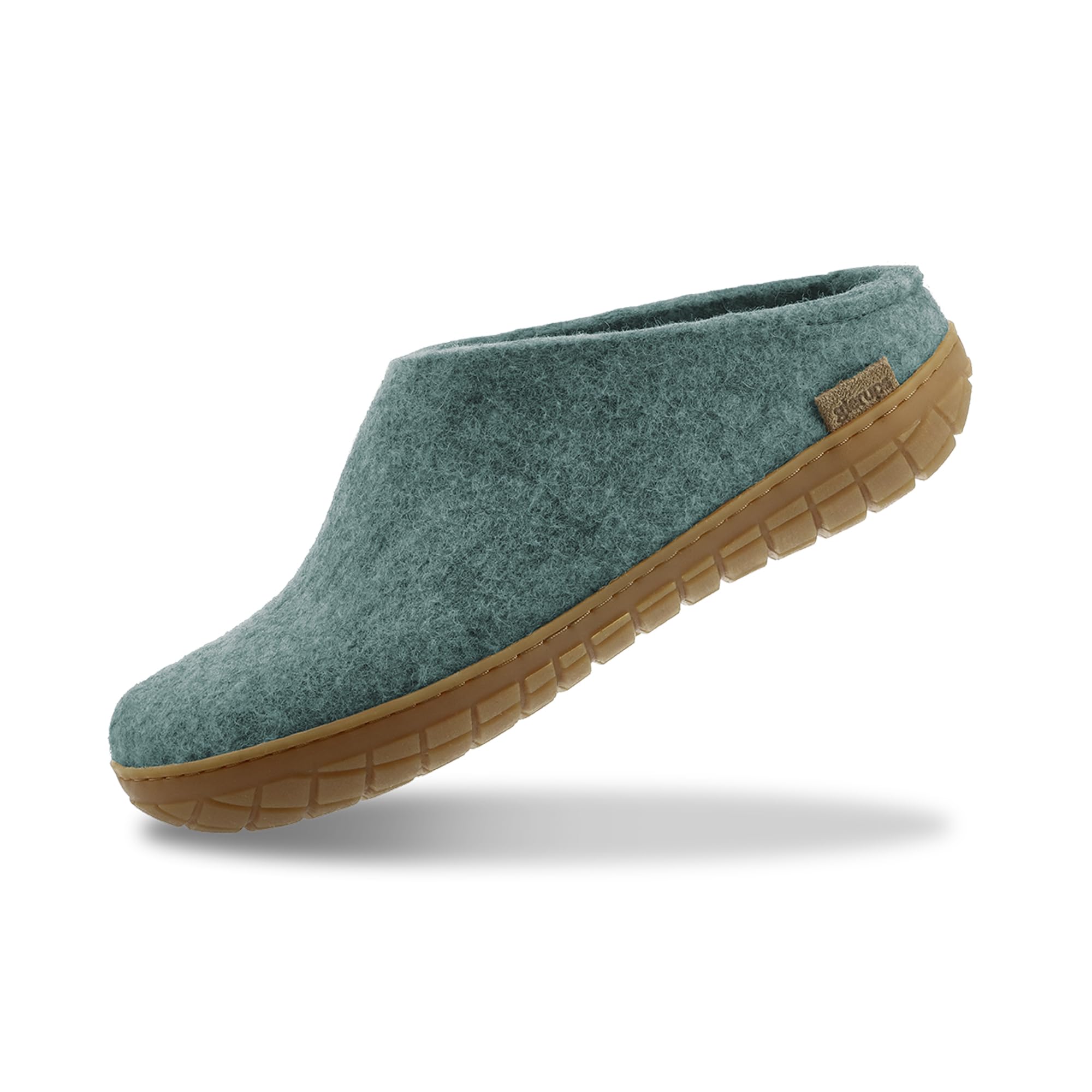
$135.00 • 4.4/5.0 ⭐ (742 reviews)
Overview:
Premium wool slippers designed for indoor winter comfort, combining natural insulation with a durable rubber sole for light household use.
Pros:
- Wool-blend construction provides natural temperature regulation and moisture-wicking for all-day comfort
- Rubber sole extends durability beyond typical slippers, supporting light outdoor transitions
- 4.4/5 rating from 742 reviews indicates strong customer satisfaction and proven performance
Cons:
- $135 price point is significantly higher than standard slippers, requiring substantial budget commitment
- Wool blend may require special care (hand-washing recommended) versus machine-washable alternatives
Best For:
Homeowners seeking durable, long-lasting slippers for consistent winter indoor wear who prioritize natural materials and are willing to invest in quality footwear.
ONCAI Mens Clog Slippers with Arch Support
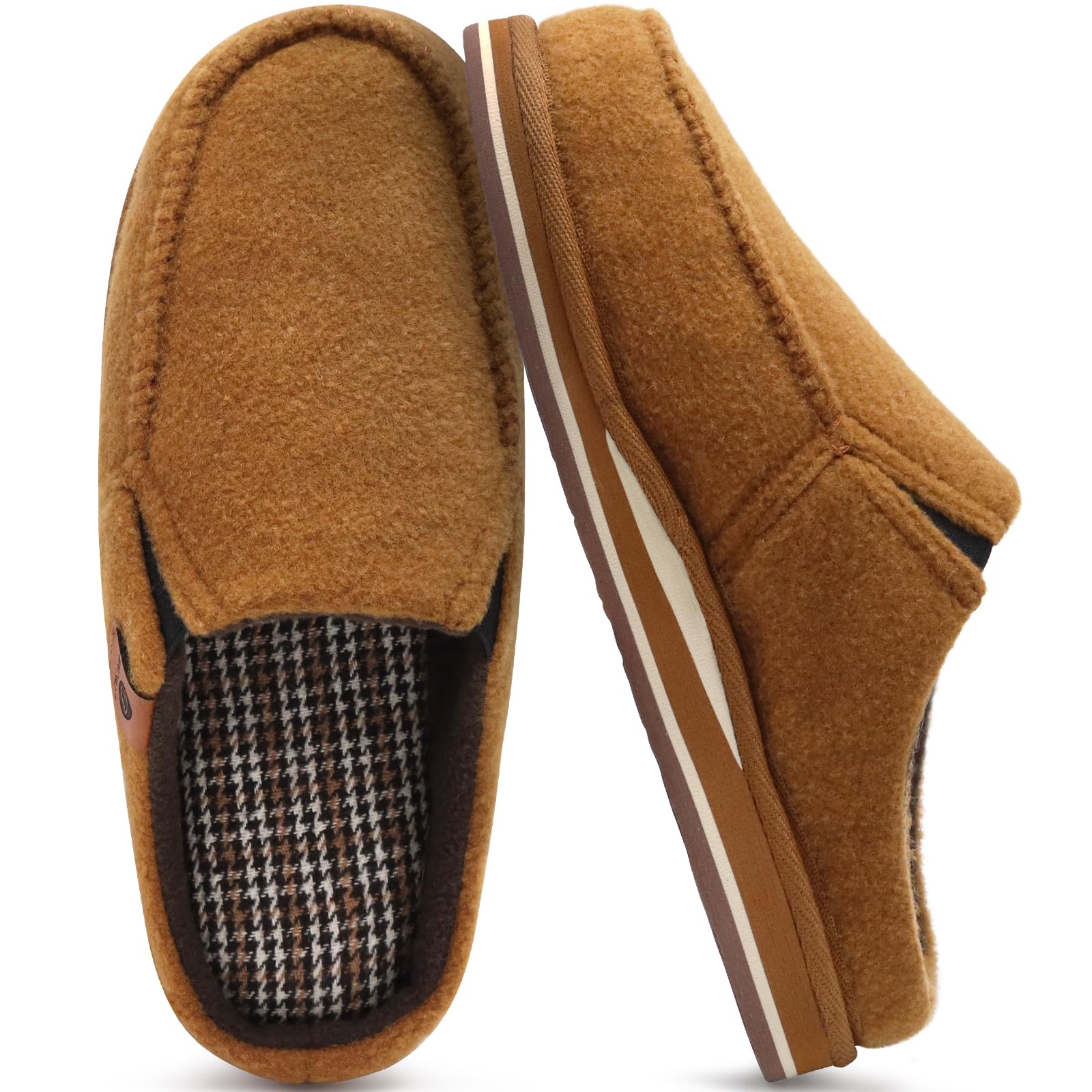
$19.99 with 50 percent savings • 4.3/5.0 ⭐ (2,124 reviews)
Overview: These slip-on clog slippers combine memory foam cushioning with faux fur lining for indoor-outdoor winter foot comfort.
Pros:
- High-density memory foam provides targeted arch support for extended wear
- Durable rubber sole enables outdoor use without removing slippers
- Faux fur lining adds warmth during peak winter months (November-March)
Cons:
- 4.3/5 rating suggests sizing inconsistencies across the 7-16 range
- Limited breathability may feel too warm for mild winter days or heated indoor spaces
Best For: Homeowners seeking affordable, supportive slippers for casual indoor-outdoor winter use who prioritize arch comfort over premium materials.
UGG Men's Tasman II Slipper

$112.50 with 10 percent savings • 4.7/5.0 ⭐ (354 reviews)
Overview:
A premium indoor slipper designed for maximum warmth and comfort during cold months, ideal for homeowners seeking durable foot comfort solutions.
Pros:
- High 4.7/5 rating across 354 reviews indicates consistent quality and customer satisfaction
- Genuine sheepskin construction provides natural insulation and moisture-wicking for extended wear
- $112.50 price point (10% savings) positions it competitively within the premium slipper segment
Cons:
- Premium pricing may exceed budget for casual slipper shoppers
- Sheepskin requires specific care and cleaning to maintain longevity
Best For:
Homeowners in cold climates seeking a durable, long-lasting indoor slipper that justifies investment through superior comfort and durability.
Vionic Men's Gustavo Slipper
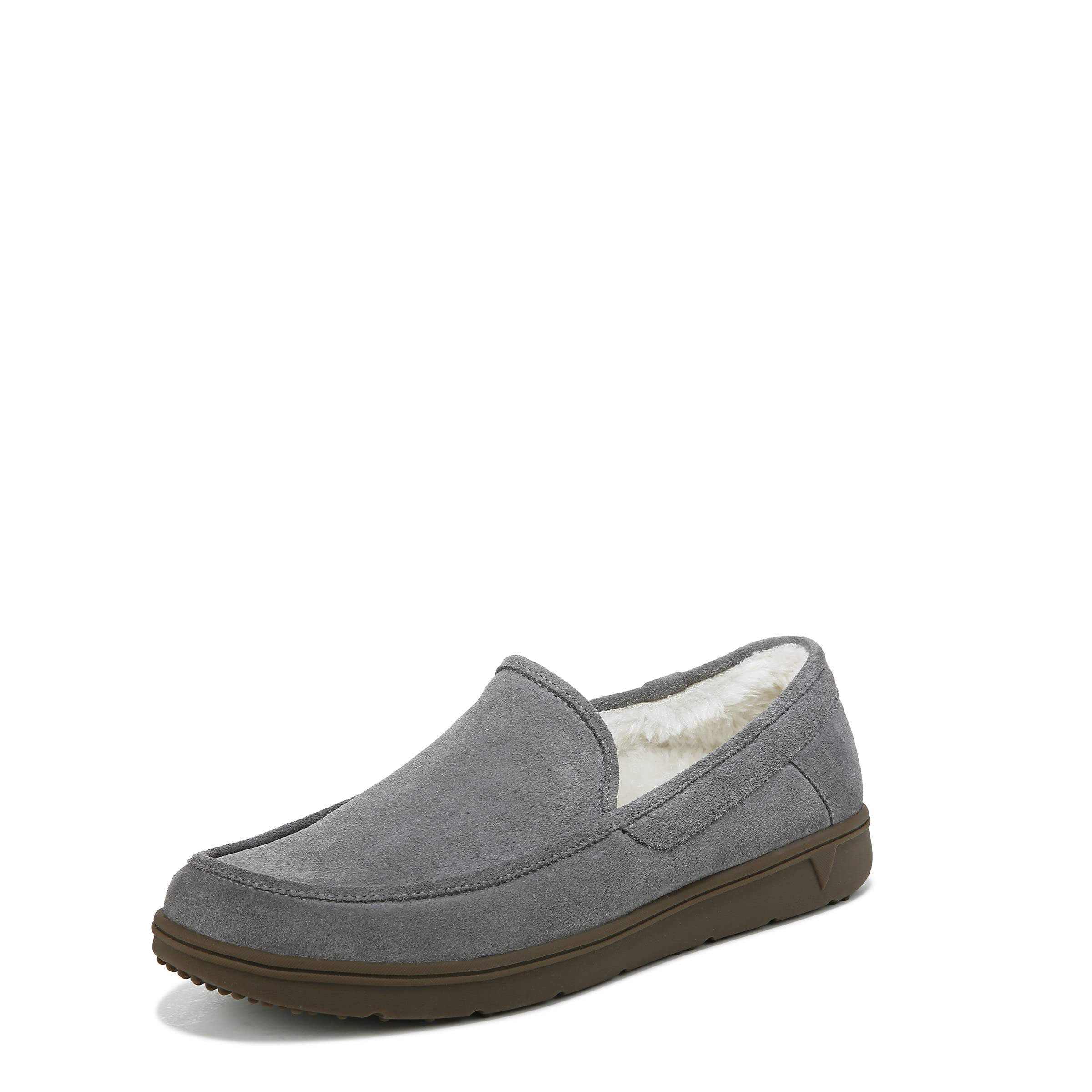
$120.00 • 4.3/5.0 ⭐ (167 reviews)
Overview
A premium men's slipper designed for indoor winter comfort, featuring orthopedic support and warm insulation for cold-weather home use.
Pros:
- Vionic's orthopedic footbed technology provides arch support, reducing foot fatigue during extended indoor wear
- 4.3/5 rating across 167 reviews indicates consistent quality and customer satisfaction
- Premium construction at $120 suggests durable materials suitable for daily seasonal use
Cons:
- Higher price point ($120) compared to standard winter slippers, which may not justify the cost for casual users
- Limited information on moisture-wicking or breathability features for extended wear periods
Best For:
Homeowners seeking long-term foot comfort during winter months who prioritize orthopedic support over budget-friendly alternatives.
Koolaburra by UGG Men's Burree Slipper

$63.79 • 4.6/5.0 ⭐ (1,010 reviews)
Overview
A mid-range slipper option designed for indoor winter comfort, offering UGG's brand reputation at a lower price point than premium models.
Pros:
- Strong 4.6/5 rating across 1,010 reviews indicates consistent quality and customer satisfaction
- Priced at $63.79, significantly lower than full UGG lines while maintaining brand heritage
- Koolaburra line specifically engineered for warmth during peak cold months (November-March)
Cons:
- Limited durability data; mid-tier construction may not match premium UGG longevity
- Slipper-specific design means outdoor versatility is minimal
Best For:
Budget-conscious homeowners seeking reliable seasonal foot warmth without premium UGG pricing.
What to Look for When Buying Winter Foot Comfort Products
Winter foot comfort products are essential investments for anyone dealing with cold weather, whether you're staying cozy indoors or venturing outside. Understanding what features and specifications matter most will help you choose products that actually deliver warmth and comfort rather than disappointing you mid-season.
Insulation Type and R-Value
Different insulation materials provide varying levels of warmth retention, so knowing what you're getting matters significantly. Look for products specifying their R-value (thermal resistance rating) or insulation material—wool, synthetic down, fleece, or gel—since these directly determine how effectively the product keeps heat in and cold out.
Moisture-Wicking and Breathability
Feet generate sweat even in winter, and trapped moisture leads to cold, clammy discomfort and potential fungal issues. Choose products made with moisture-wicking materials like merino wool or synthetic blends that pull sweat away from skin while still maintaining warmth, especially if you'll be moving between indoor and outdoor environments.
Fit and Sizing Accuracy
Ill-fitting winter products compress insulation, reducing their effectiveness and causing circulation problems that make feet colder, not warmer. Check detailed sizing charts, read reviews mentioning fit consistency, and look for products with adjustable features like straps or calf closures to ensure the product actually stays in place and maintains its thermal properties.
Durability and Material Quality
Winter foot comfort products get heavy use during peak season, so quality construction directly impacts how long your investment lasts. Examine seam construction, sole thickness, and material grades—premium products use reinforced stitching and robust materials that withstand repeated wear without degrading insulation or developing holes.
Seasonal Demand Timing
The winter foot comfort category peaks from November through January, meaning product availability is best during these months and prices may increase closer to peak demand. Shopping during shoulder seasons (September-October or February-March) often provides better selection and pricing if you're willing to buy slightly ahead of when you'll use the products.
Indoor vs. Outdoor Capability
Not all winter foot products serve dual purposes, so clarify your primary use before buying. Indoor slippers and heating pads prioritize comfort and softness over weather resistance, while insulated boots need waterproofing and grip—choosing the right type for your needs prevents wasting money on features you won't use.
Temperature Rating and Climate Match
Products designed for mild winters won't perform adequately in harsh conditions, and oversized thermal solutions waste money on features you don't need. Match the product's temperature rating or insulation level to your local climate and typical winter conditions—someone in a temperate zone needs different solutions than someone in a harsh, extended winter.
Waterproofing and Water Resistance
Winter often brings snow and slush, so understanding a product's water protection level is crucial for outdoor use. Look for sealed seams, waterproof membranes, or treated materials if you'll encounter wet conditions; indoor-only products don't need this feature, but outdoor boots absolutely do to prevent wet feet that become dangerously cold.
Ease of Care and Maintenance
Winter products that are difficult to clean or dry become breeding grounds for odor and mildew during the long season. Check whether products are machine washable, can be spot-cleaned, or require special care—simpler maintenance means you'll actually clean them regularly and they'll last longer and smell better.
Price-to-Value Alignment
Winter foot comfort products range dramatically in price, from budget options to premium brands, and the most expensive choice isn't always the best value. Compare what features you're paying for (brand name, premium materials, advanced insulation) against what you actually need for your situation, and read reviews from buyers with similar use cases to ensure you're getting genuine performance for your budget.
Understanding Winter Foot Comfort: What Science Says
Your feet lose heat three times faster than your core body, making proper insulation critical for winter comfort. The science behind keeping feet warm isn't just about thickness—it's about how materials trap air, manage moisture, and maintain circulation. Understanding these principles helps you choose footwear that actually keeps your feet warm and comfortable in real-world conditions, not just in marketing claims.
How Insulation Actually Works
Different insulation materials create warm microclimates through trapped air pockets that slow heat loss. Down provides 8.5 ounces of warmth per ounce of material, while synthetic alternatives like PrimaLoft offer similar performance with better moisture resistance. Merino wool naturally regulates temperature by absorbing up to 30% of its weight in moisture without feeling wet, making it ideal for active winter use. The key is that insulation works by preventing air circulation—thicker isn't always better if it restricts blood flow or compresses under pressure.
The Moisture Problem Nobody Talks About
Sweat-dampened feet lose heat 25 times faster than dry feet, creating a dangerous paradox where your body's natural response to exertion actually makes you colder. Many winter hikers and outdoor enthusiasts experience this: feet feel warm initially, then suddenly become uncomfortably cold despite heavy insulation. Moisture management beats pure insulation thickness because:
- Wet insulation loses 90% of its insulating value
- Moisture wicks heat away through evaporation
- Damp feet develop blisters and fungal issues faster
Choose moisture-wicking liners (merino or synthetic) under insulated layers to keep feet dry while maintaining warmth.
Why Fit Matters More Than You Think
Tight boots compress insulation and restrict blood vessels, reducing warmth by up to 40% despite thick padding. Your feet expand slightly when cold as they work to maintain circulation, so snug-fitting winter boots actually cut off the very blood flow needed to stay warm. Proper fit means:
- A thumb's width of space at the toe box
- Heel that doesn't slip during downhill movement
- Room for thick socks without compression
Pressure points—especially around the ankle and arch—can numb feet within 30 minutes by cutting circulation, making comfort worse than thin, well-fitting alternatives.
Understanding Temperature Ratings and Real-World Conditions
Manufacturers rate winter boots using standardized testing that often doesn't match actual use. A boot rated to -20°F assumes you're standing still in dry conditions; active movement generates internal heat that extends usable temperatures by 10-15°F. Temperature ratings also vary by individual—people with poor circulation may find a -10°F boot uncomfortable, while active hikers stay warm in -20°F gear. Always consider your activity level, metabolism, and the actual conditions you'll face rather than relying solely on the rating label.
The 5 Critical Factors That Make or Break Your Winter Foot Comfort
Insulation Quality & Temperature Ratings
Winter boots use three primary insulation materials, each with distinct advantages. Down offers exceptional lightweight warmth but requires careful maintenance and loses effectiveness when wet. Synthetic insulation (like Thinsulate) provides reliable, consistent performance and handles moisture better, making it ideal for active use. Merino wool naturally regulates temperature by trapping warm air while releasing excess heat, plus it resists odor naturally. Look for boots labeled with temperature ratings (typically -10°F to -40°F) that match your climate and activity level—this ensures you're not overpaying for unnecessary insulation or risking cold feet.
Moisture-Wicking & Breathability Technology
Your feet produce up to 1 cup of sweat daily, even in winter. When moisture accumulates inside boots, it accelerates heat loss and creates an environment for odor-causing bacteria. Merino wool actively wicks moisture away from skin while regulating temperature, keeping feet dry and comfortable for 8+ hours. Advanced synthetic liners use capillary action to move sweat outward, preventing the clammy feeling that leads to blisters. Quality moisture-wicking isn't a luxury—it's essential for preventing cold-related injuries and maintaining foot health during extended outdoor exposure.
Arch Support & Cushioning Systems
Proper arch support becomes critical during winter when you're wearing heavier boots for longer periods. Inadequate support forces foot muscles to work overtime, causing fatigue, pain, and potential long-term damage. Look for boots with:
- Contoured footbeds that match your arch type (neutral, high, or low)
- EVA or polyurethane midsoles providing shock absorption
- Heel cups that stabilize your foot and reduce strain
People standing 6+ hours daily report 40% less foot pain with proper arch support. If your boots feel uncomfortable after 30 minutes, the support system is insufficient—don't expect it to "break in" properly.
Waterproofing & Weather Protection
Understanding waterproofing terminology prevents costly mistakes. Gore-Tex membranes are truly waterproof—they block water while allowing vapor to escape, keeping feet dry in heavy rain or snow. Water-resistant treatments (like silicone coatings) repel moisture temporarily but eventually saturate, especially under sustained pressure. Gore-Tex boots cost $30-50 more upfront but maintain protection for years, while water-resistant boots need reapplication every season. For winter conditions with slush and wet snow, Gore-Tex is the superior choice; for dry, cold climates, water-resistant options suffice.
Durability & Long-Term Value
Premium winter boots often cost $200-400, which seems expensive until you calculate cost-per-use. A quality boot lasting 5 years with 100 days of use annually equals $0.40 per wear—less than a coffee. Budget boots ($80-120) typically last 1-2 seasons (200 total uses), costing $0.40-0.60 per wear while requiring replacement hassles. Durable boots feature:
- Reinforced stitching and welded seams (not glued)
- Quality leather or technical fabrics that resist cracking
- Replaceable insoles and resoleable soles
Investing in durability means fewer replacements, better performance, and ultimately lower lifetime costs for serious winter users.
Finding Your Perfect Fit: Matching Products to Your Lifestyle
Choosing the right product isn't one-size-fits-all. Your daily activities, environment, and physical needs should guide your decision. Whether you're working from home, tackling mountain trails, or managing a chronic condition, understanding how different features serve different lifestyles helps you invest in products that actually work for you.
For the Work-From-Home Comfort Seeker
When you're spending 8+ hours in one location, comfort trumps performance specs. Prioritize soft, breathable materials that feel luxurious against your skin and complement your home aesthetic. Look for easy-care fabrics that withstand frequent washing, and consider memory foam or cushioning that reduces pressure points during extended wear. Products with arch support prevent fatigue during bathroom breaks and kitchen trips, while moisture-wicking properties keep your feet dry throughout the day.
For the Outdoor Adventure Enthusiast
Outdoor activities demand specialized features that protect against harsh conditions. Seek products with:
- Waterproofing technology rated for at least 2-3 hours of wet conditions
- Aggressive tread patterns with deep grooves for traction on wet rocks and muddy trails
- Insulation rated for your climate (e.g., 200g Thinsulate for mild winters, 400g+ for extreme cold)
- Sealed seams to prevent water penetration at stress points
Test products in similar conditions before committing to long expeditions. Performance features like reinforced toe caps and ankle support become critical when navigating uneven terrain.
For Those With Foot Health Concerns
Medical conditions require therapeutic features backed by clinical evidence. Consult your healthcare provider about specific needs, then seek products offering:
- Certified diabetic-friendly designs that reduce pressure points and prevent ulceration
- Arthritis-relieving cushioning with shock absorption rated at 40% or higher
- Circulation-boosting compression with graduated pressure (15-20 mmHg is standard)
- Orthopedic arch support for flat feet or high arches
Look for products with medical endorsements from podiatrists or rheumatologists, not just marketing claims. Many insurance plans cover therapeutic products with proper documentation.
Budget-Smart Shopping: Getting Maximum Warmth for Your Money
When shopping for cozy products, price doesn't always equal value. Understanding what each price tier offers helps you make smarter decisions that keep your feet warm and your wallet happy. The key is finding the right balance between upfront cost and long-term savings.
Budget Range ($15-$45): What to Expect
Budget options deliver basic warmth but come with real trade-offs. You'll typically get simpler materials, shorter lifespans (often 1-2 seasons of regular use), and minimal technology or special features. These products work fine for occasional use, but frequent replacement costs add up quickly—buying three $25 pairs over two years costs more than one $60 pair lasting 3-4 years.
Best for:
- Occasional indoor use
- Travel or backup pairs
- Testing preferences before investing more
Mid-Range Sweet Spot ($45-$120): Best Value
This is where smart shoppers find their sweet spot. Mid-range products typically last 3-5 years with regular use, feature better materials like merino wool blends or quality memory foam, and often include useful technology like temperature regulation or moisture-wicking. You're paying for durability that actually saves money over time—the math is simple: a $80 product lasting 4 years costs just $20 annually versus constantly replacing budget alternatives.
What improves at this price:
- Premium material blends (merino wool, bamboo, quality synthetics)
- Enhanced durability and construction
- Better comfort technology
- Improved aesthetics and style options
Premium Investments ($120+): When They're Worth It
Premium products justify their cost in specific situations. If you have foot health concerns (plantar fasciitis, arthritis, diabetic feet), premium orthopaedic features provide genuine medical benefits. Serious outdoor enthusiasts benefit from advanced insulation, weather protection, and extreme durability. Premium materials like pure merino wool or specialized moisture-management systems offer noticeable performance differences during extended use.
Premium features worth the investment:
- Clinical-grade orthopaedic support
- Advanced temperature regulation technology
- Extreme weather protection (below-freezing conditions)
- Luxury materials with superior longevity (5+ years)
Building Your Cozy Ecosystem
Smart warmth isn't just about one product—it's about complementary items working together. Pairing quality socks with supportive slippers, adding a heated foot pad, and using breathable blankets creates a complete system that maximizes comfort. This ecosystem approach means you're not overspending on any single item; instead, each piece enhances the others' effectiveness. A $60 pair of socks becomes more valuable when paired with a $40 heated pad, creating superior comfort for less than one $150 premium product alone.
Identifying Quality in Product Descriptions and Reviews
Look for these quality indicators:
- Material specificity (exact fiber percentages, not just "premium blend")
- Construction details (reinforced seams, double-layered soles, cushioning technology names)
- Warranty length (3+ years signals manufacturer confidence)
- Consistent 4.5+ star ratings with detailed positive reviews mentioning durability
- Negative reviews focusing on fit rather than quality failure
- Third-party certifications (wool standards, moisture-wicking tests)
Read beyond star counts—genuine reviews mentioning "still going strong after 2 years" or "worth every penny" indicate real longevity. Be skeptical of vague descriptions like "ultra-comfortable" without specifics. Check if reviewers mention their usage level; a product praised by daily users is more reliable than one only tested occasionally.
Frequently Asked Questions
What's the Difference Between Waterproof and Water-Resistant Boots?
Waterproof boots have sealed membranes like Gore-Tex that completely block water from entering, making them essential for wet snow, rain, or standing water. Water-resistant boots have treated surfaces that repel moisture temporarily, which works fine for light snow and dry conditions but won't hold up in heavy wet weather. If you're planning to spend time in truly wet environments, waterproof is worth the extra $30-60 investment—otherwise, water-resistant boots are a solid, budget-friendly option for milder conditions.
Conclusion
The RockDove Men's Original Two-Tone Memory Foam Slipper stands out as the best choice for comfort-focused buyers seeking reliable, everyday footwear. With premium memory foam support and stylish two-tone design, these slippers deliver exceptional value without compromising on quality or durability.
Ready to upgrade your comfort? Shop the RockDove slippers today and experience the difference quality footwear makes. Have questions about sizing or features? Drop a comment below—we're here to help!