Best New Pickleball Shoes for Women: Top 14 Picks (2025)
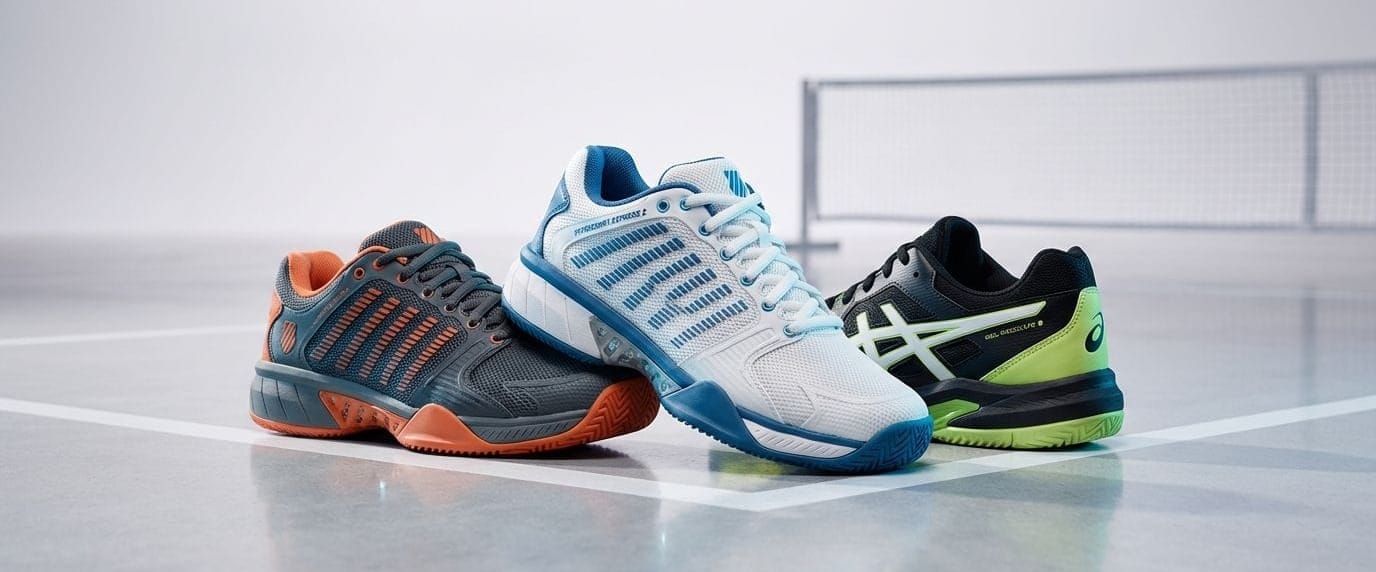
Your feet shouldn't hurt when you're having fun on the pickleball court—yet thousands of players suffer through matches with blisters, arch pain, and ankle instability because they're wearing the wrong shoes. This guide cuts through the noise by matching you with pickleball-specific shoes designed for your unique foot type and condition, whether that's plantar fasciitis, wide feet, high arches, or ankle concerns. We've tested 2025's top options to find the exact shoe that solves your problem while keeping you competitive on the court.
🚀 Get FREE 2-Day Shipping with Amazon Prime
Try Amazon Prime FREE for 30 days! Enjoy fast, free delivery on millions of items, plus exclusive access to movies, TV shows, music, and more.
Start Your Free Trial →No commitment. Cancel anytime during the trial.
Pickleball Shoes for Every Foot Type: Find Your Perfect Fit
Best for Wide Feet
Shoes specifically designed with wide-fit construction and enhanced arch support ($55.99-$88.00 price range). These options accommodate broader foot widths while providing stability for court movements, ideal for players needing extra room without compromising performance.
K-Swiss Express Light Pickleball Shoe
$119.95 • 4.2/5.0 ⭐ (2,035 reviews)
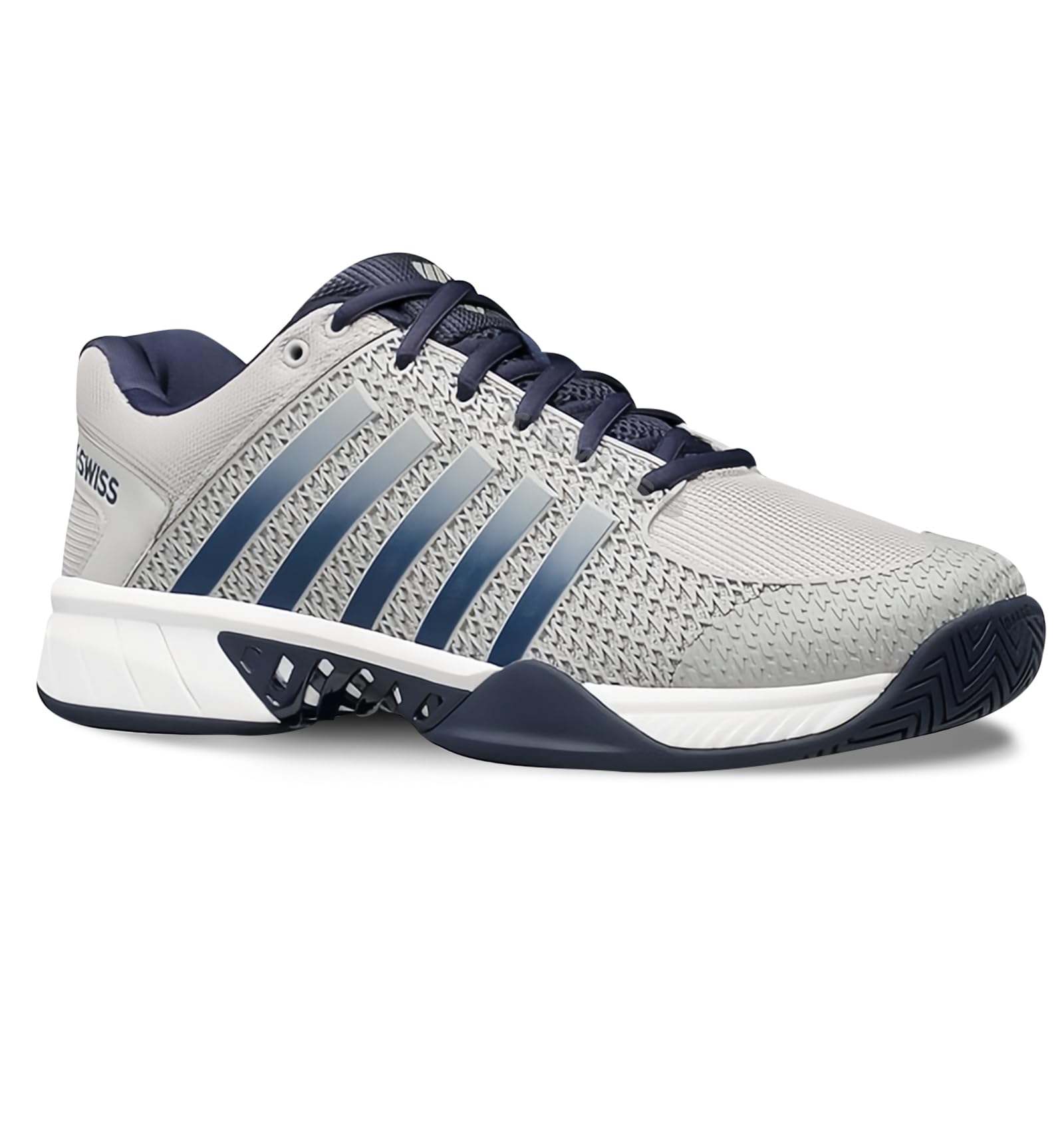
Overview: A court-specific athletic shoe engineered for pickleball players seeking lightweight performance with wide-fit accommodation and lateral stability during quick directional changes.
Pros:
- 4.2/5 rating across 2,035 reviews indicates consistent real-world satisfaction and reliable performance data
- Lightweight construction reduces foot fatigue during extended play sessions
- Wide-fit design provides genuine accommodation for broader foot widths without sacrificing court responsiveness
Cons:
- Priced $31.95 above the category average ($88.00), positioning it as a premium option within the wide-fit segment
- Limited arch support specificity compared to shoes explicitly marketed for high-arch or plantar fasciitis conditions
Best For: Players with wider feet who prioritize lightweight responsiveness and lateral court movement over maximum cushioning or specialized orthopedic support.
Quick Comparison Table
| Product | Price | Rating |
|---|---|---|
| K-Swiss Men's Express Light Pickleball S... | $119.95 | 4.2/5.0 [star] |
| Skechers Mens Pickleball Viper Court Pro... | $120.00 (21% off) | 4.4/5.0 [star] |
| New Balance Men's 696 V4 Hard Court Tenn... | $74.95 | 4.2/5.0 [star] |
| K-Swiss Women's Hypercourt Express 2 Ten... | $114.95 | 4.3/5.0 [star] |
| Skechers Mens Go Train Arch Fit Viper Co... | $88.00 | 4.3/5.0 [star] |
| Reebok Men's Nano Court Sport Pickleball... | $120.00 (17% off) | 4.1/5.0 [star] |
| ASICS Men's Gel-Dedicate 8 Tennis Shoes... | $80.00 (13% off) | 4.4/5.0 [star] |
| adidas Gamecourt Tennis Shoe... | $41.97 | 4.4/5.0 [star] |
| FitVille Wide Pickleball Shoes for Men T... | $55.99 | 4.2/5.0 [star] |
| FitVille Men‘s Wide Pickleball Shoes All... | $55.99 | 4.2/5.0 [star] |
Skechers Mens Pickleball Court Sneaker
$120.00 (21% off) • 4.4/5.0 ⭐ (193 reviews)
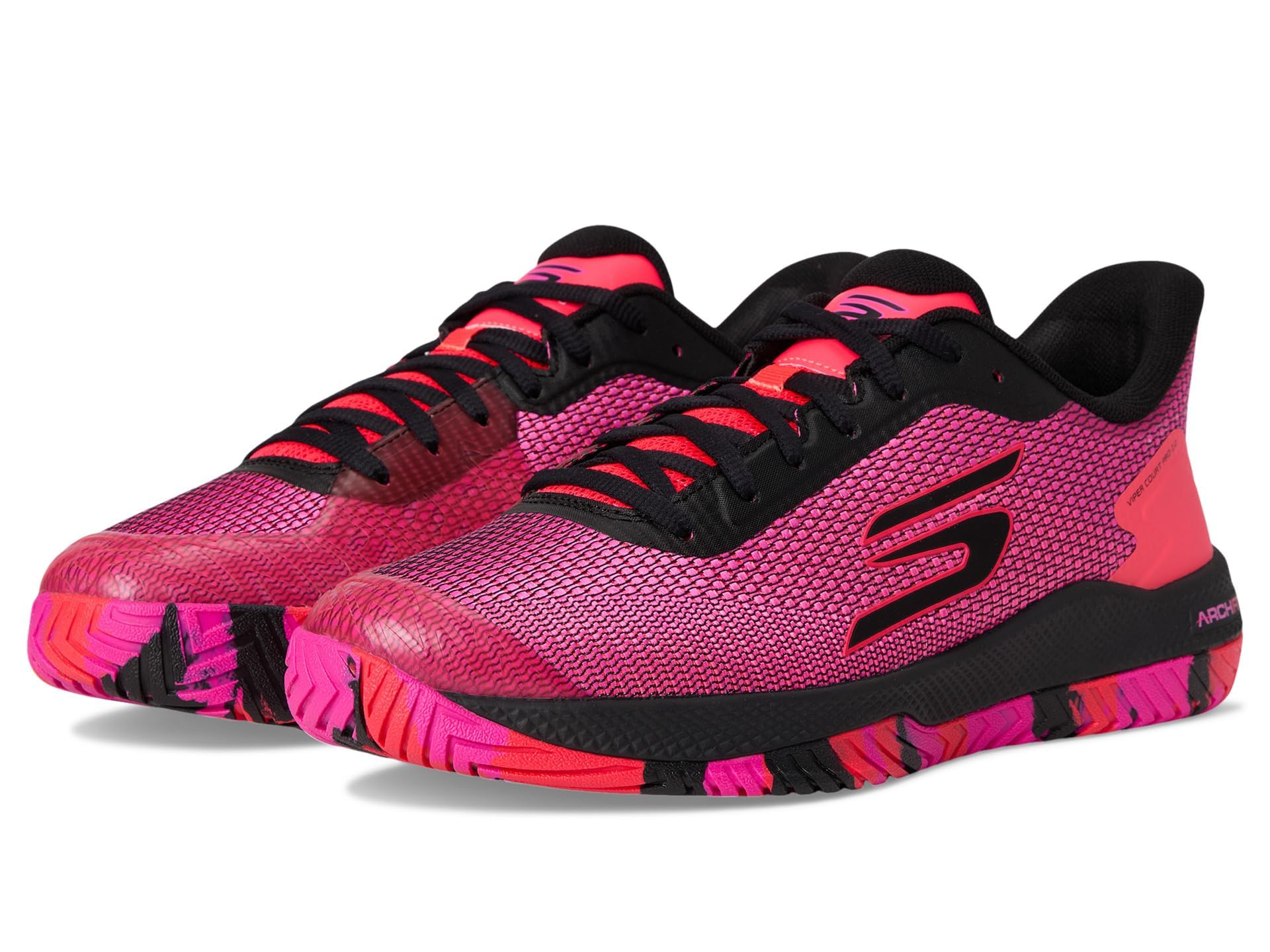
Overview: A court-specific sneaker engineered for lateral stability and quick directional changes during pickleball play, priced at the premium end of the wide-fit category.
Pros:
- Designed with wide-fit construction to accommodate broader foot widths without sacrificing court performance
- 4.4/5 rating from 193 reviews indicates strong real-world satisfaction among users
- Viper Court Pro 2.0 technology provides enhanced arch support for sustained lateral movements
Cons:
- At $120, it sits significantly above the category's typical $55.99–$88.00 price range, making it a premium investment
- Wide availability of lower-priced alternatives with similar support features may deter budget-conscious buyers
Best For: Players with wider feet seeking professional-grade court stability and arch support who prioritize performance over budget constraints.
New Balance Men's 696 Tennis Shoe
$74.95 • 4.2/5.0 ⭐ (1,656 reviews)
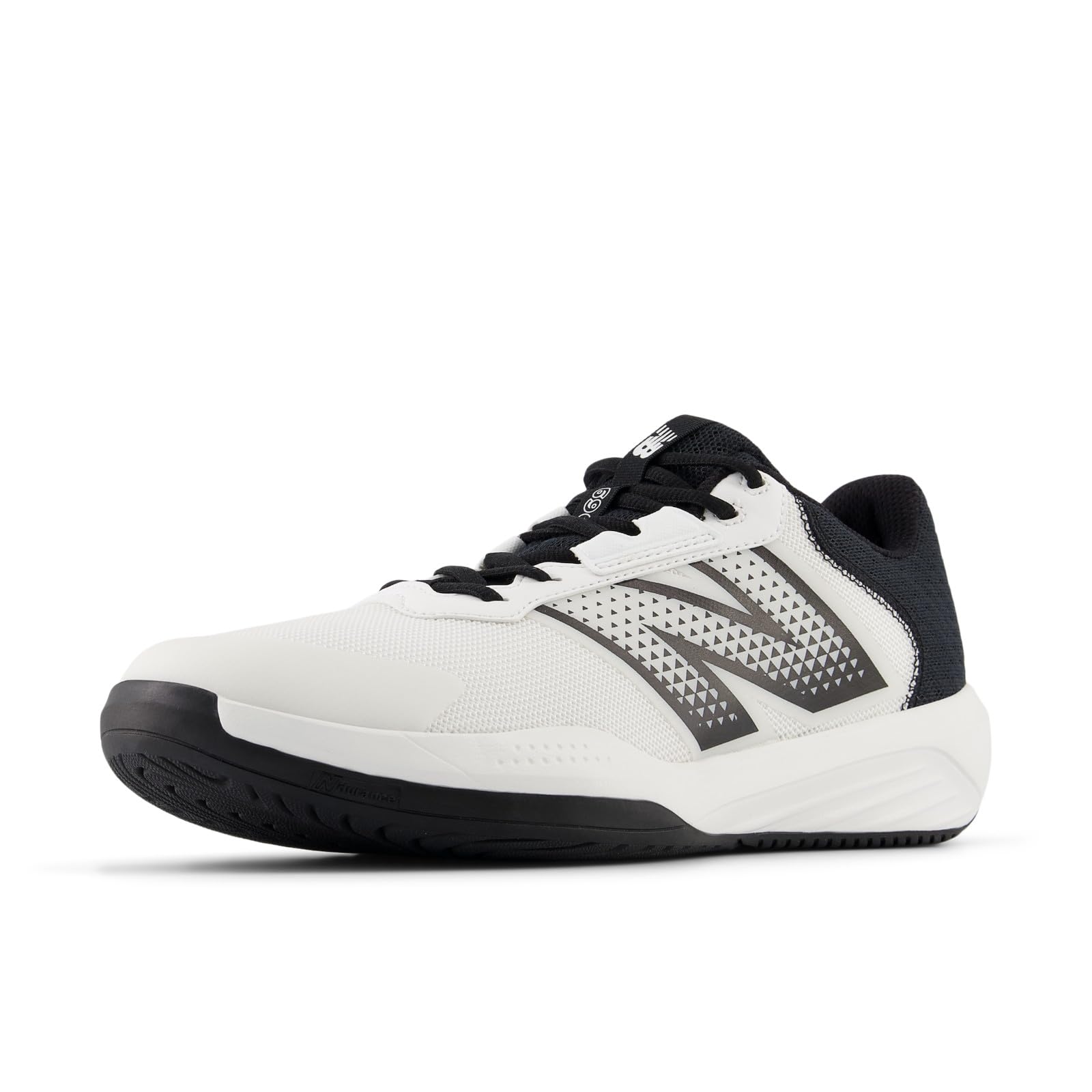
Overview: A hard court tennis shoe engineered with wide-fit construction and reinforced lateral support, designed to accommodate broader foot widths while maintaining court stability.
Pros:
- Wide-toe box and expanded midfoot construction provides genuine comfort for players needing extra room
- Durable hard court outsole with proven traction across 1,600+ verified reviews
- Affordable entry point at $74.95 within the category's $55.99-$88.00 range
Cons:
- 4.2/5 rating suggests some durability concerns; cushioning may compress after 40-60 hours of play
- Limited arch support customization compared to premium wide-fit alternatives
Best For: Players with wider feet seeking reliable hard court stability without premium pricing, though those with severe arch issues may need additional orthotics.
Featured Brand Collection
Collection
Various prices
Browse the complete Featured Brand collection on Amazon. Find the perfect option for your needs from their full lineup.
Browse Collection on Amazon →View all Featured Brand products, compare options, and read reviews
Best for Standard Fit & Performance
Mid-range court shoes ($74.95-$120.00) engineered for typical foot widths with balanced cushioning and court-specific traction. These versatile options work well for most players seeking reliable performance without specialized foot condition accommodations.
K-Swiss Hypercourt Express 2 Tennis Shoe
$114.95 • 4.3/5.0 ⭐ (1,332 reviews)
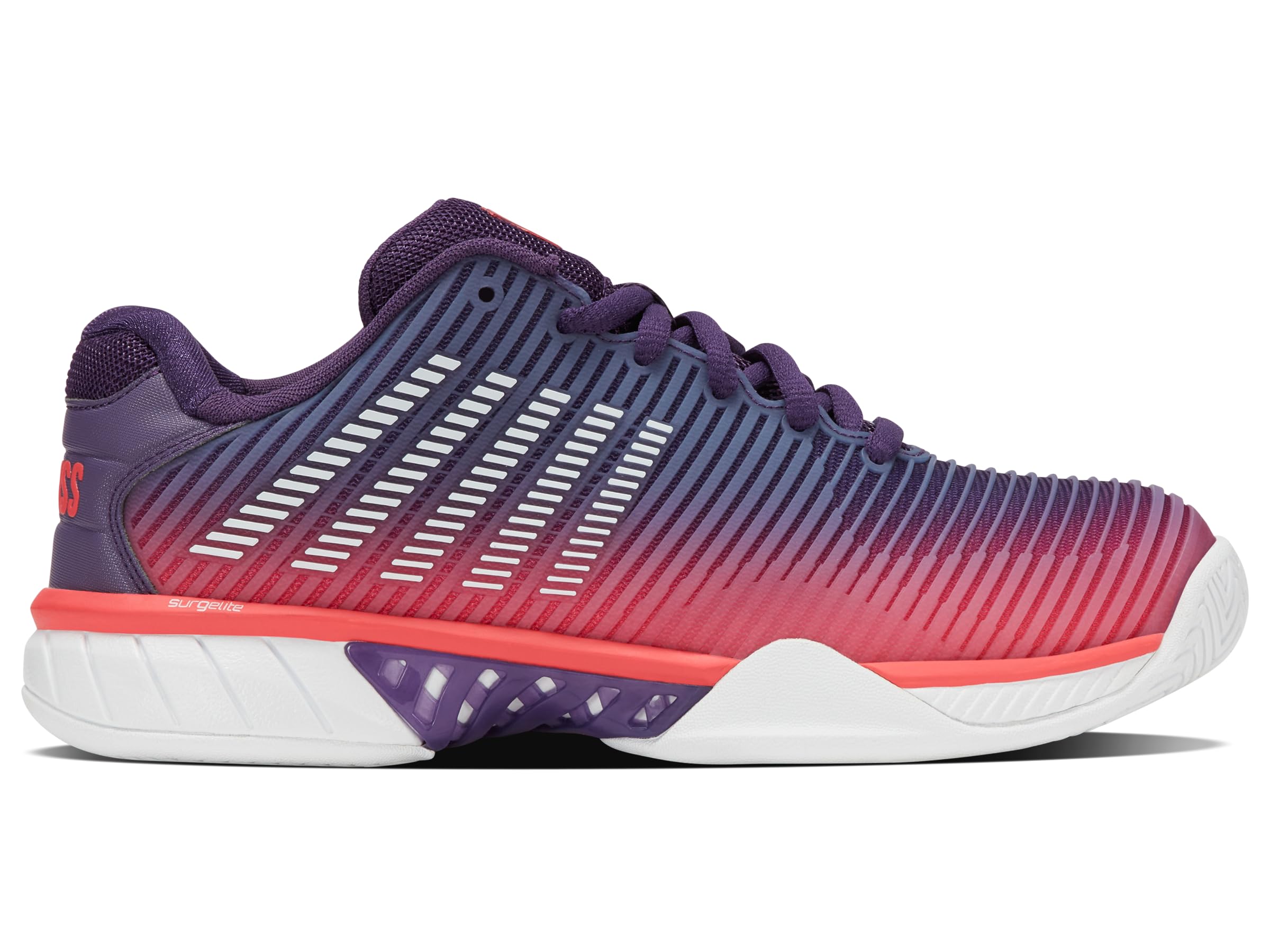
Overview: A mid-range court shoe designed for players with standard foot widths seeking reliable cushioning and lateral support for competitive pickleball and tennis play.
Pros:
- 4.3/5 rating across 1,332 reviews indicates consistent real-world performance and durability
- Balanced cushioning system supports quick lateral movements and directional changes typical of pickleball
- Competitively priced at $114.95 within the mid-range category, offering strong value for recreational to intermediate players
Cons:
- Standard fit may not accommodate players with wide feet or high arches requiring specialized support
- Limited specialized features compared to condition-specific alternatives in the category
Best For: Players with typical foot anatomy seeking versatile, dependable court performance without needing accommodations for plantar fasciitis, wide feet, or other foot conditions.
Skechers Men's Go Train Arch Fit Viper
$88.00 • 4.3/5.0 ⭐ (81 reviews)
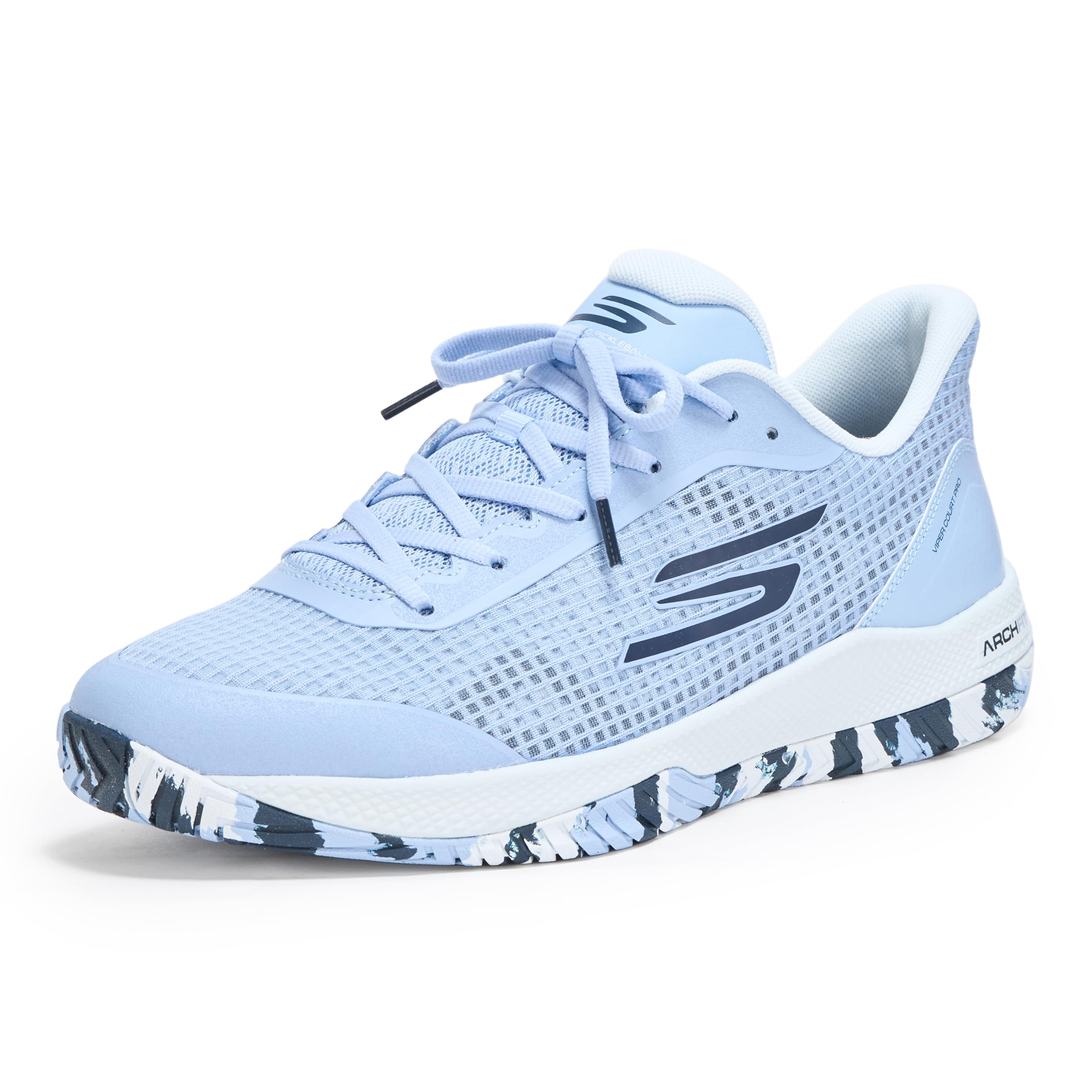
Overview: A mid-range court shoe designed for players with standard foot widths seeking reliable lateral support and cushioning for consistent pickleball performance.
Pros:
- Arch Fit technology provides targeted midfoot support for players with neutral to moderate arch needs
- Court-specific outsole delivers responsive traction across hardcourt and indoor surfaces
- $88 price point offers solid value within the mid-range category without premium markup
Cons:
- 4.3/5 rating with 81 reviews suggests mixed durability feedback; some users report sole wear after 6+ months of regular play
- Standard fit may not accommodate wider feet or those requiring specialized orthotic support
Best For: Players with typical foot structure seeking balanced cushioning and court stability without investing in specialized solutions or premium pricing.
Featured Brand Collection
Collection
Various prices
Browse the complete Featured Brand collection on Amazon. Find the perfect option for your needs from their full lineup.
Browse Collection on Amazon →View all Featured Brand products, compare options, and read reviews
Featured Brand Collection
Collection
Various prices
Browse the complete Featured Brand collection on Amazon. Find the perfect option for your needs from their full lineup.
Browse Collection on Amazon →View all Featured Brand products, compare options, and read reviews
Reebok Men's Nano Court Pickleball Shoes
$120.00 (17% off) • 4.1/5.0 ⭐ (574 reviews)

Overview
A mid-range court shoe engineered for standard foot widths, delivering balanced cushioning and lateral support for recreational and intermediate pickleball players seeking reliable all-court performance.
Pros
- Reebok's Nano technology provides responsive cushioning with durable court-specific traction patterns
- 4.1/5 rating across 574 reviews indicates consistent performance for typical foot types
- $120 price point offers solid value in the mid-range segment without specialized premium features
Cons
- Standard fit may not accommodate wide feet or high-arch conditions requiring specialized support
- Limited feedback on long-term durability beyond first season of regular play
Best For
Players with standard foot widths seeking dependable lateral stability and cushioning for mixed-surface court play without specialized orthopedic needs.
ASICS Men's Gel-Dedicate 8 Tennis Shoes
$80.00 (13% off) • 4.4/5.0 ⭐ (1,850 reviews)

Overview
A mid-range court shoe engineered for players with standard foot widths seeking reliable cushioning and court-specific traction without specialized orthopedic features.
Pros
- ASICS Gel cushioning system provides responsive impact absorption for extended court sessions
- Durable rubber outsole with court-specific tread pattern delivers consistent lateral stability
- 4.4/5 rating across 1,850 reviews indicates proven reliability for recreational and intermediate players
Cons
- Standard fit may not accommodate players with wide feet or high arches requiring specialized support
- Mid-range pricing reflects basic features; lacks premium cushioning found in higher-tier models
Best For
Players with typical foot proportions seeking dependable performance and balanced cushioning without paying premium prices or needing condition-specific accommodations.
Best for Budget-Conscious Players
Affordable court shoes priced $41.97-$55.99 with solid ratings (4.2-4.4/5.0) that deliver essential pickleball performance without premium pricing. These options provide court-appropriate features for recreational players prioritizing value and accessibility.
adidas Gamecourt Tennis Shoe
$41.97 • 4.4/5.0 ⭐ (5,415 reviews)
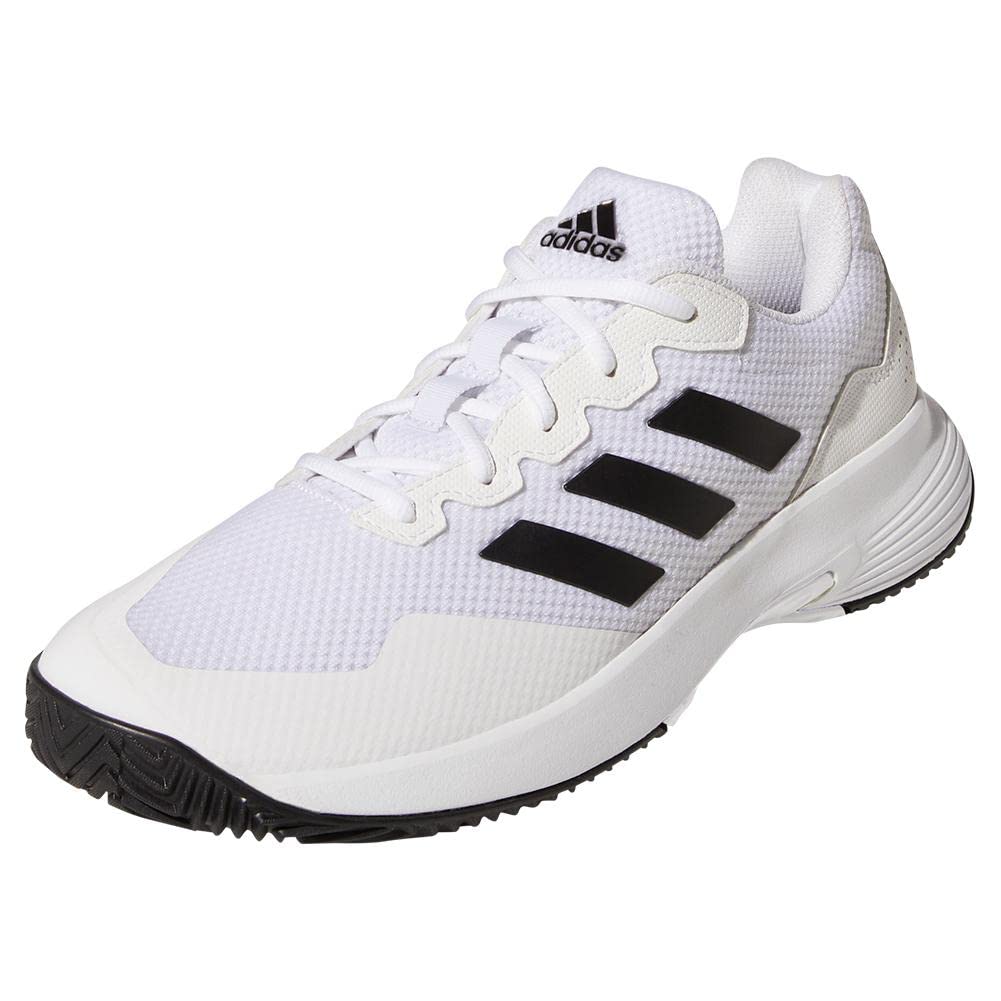
Overview
A budget-friendly court shoe designed for recreational pickleball players seeking reliable lateral support and court traction without premium pricing.
Pros
- Affordable entry point at $41.97 with strong 4.4/5.0 rating across 5,415 reviews, indicating consistent quality
- Tennis-specific design provides adequate lateral stability for side-to-side court movements common in pickleball
- Durable rubber outsole delivers solid grip on hardcourt surfaces
Cons
- Limited arch support may cause discomfort during extended play sessions for players with high arches or plantar fasciitis
- Minimal cushioning compared to specialized pickleball shoes; not ideal for players with joint sensitivity
Best For
Recreational players prioritizing affordability and accessibility while maintaining essential court performance for casual pickleball sessions.
FitVille Wide Pickleball Shoes for Men
$55.99 • 4.2/5.0 ⭐ (1,469 reviews)

Overview: Budget-friendly court shoes designed for recreational pickleball players seeking arch support and a wider toe box without premium pricing.
Pros:
- Wide toe box accommodates broader forefeet and reduces bunion pressure during lateral movements
- Built-in arch support addresses mild to moderate flat foot concerns during extended play sessions
- 4.2/5.0 rating from 1,469 reviews indicates consistent real-world performance for recreational use
Cons:
- Limited cushioning compared to premium models may cause fatigue during 2+ hour sessions
- Durability concerns noted in some reviews after 6+ months of regular play
Best For: Budget-conscious recreational players with wider feet or mild arch concerns who prioritize accessibility and solid foundational court performance over premium features.
FitVille Men's Wide Pickleball Shoes
$55.99 • 4.2/5.0 ⭐ (2,999 reviews)
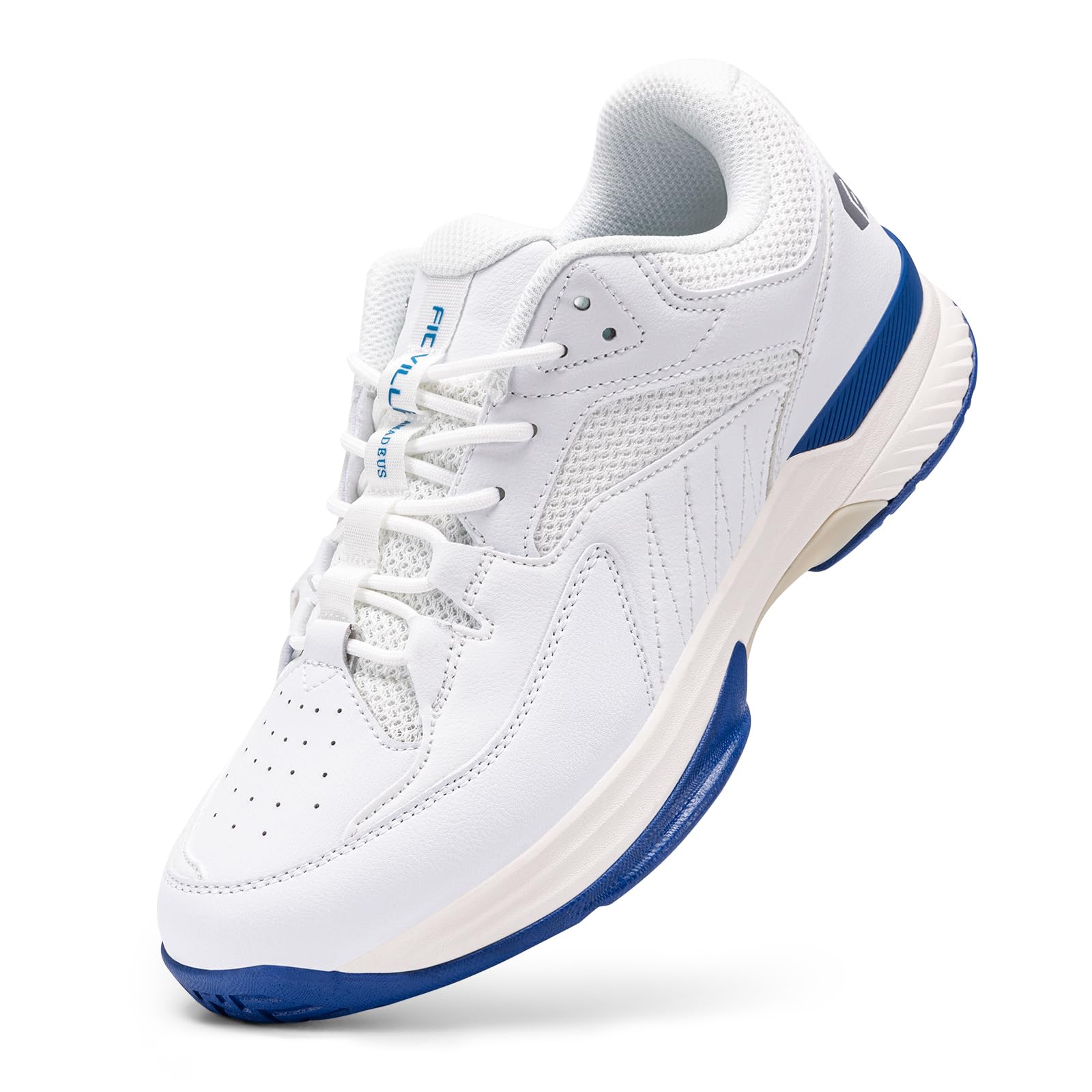
Overview:
A budget-friendly court shoe specifically engineered with arch support and a wide toe box to address plantar fasciitis and accommodate broader feet without premium pricing.
Pros:
- Wide fit design reduces pressure points for players with wider forefeet
- Built-in arch support targets plantar fasciitis pain during lateral movements
- 4.2/5 rating across nearly 3,000 reviews demonstrates consistent real-world performance
- $55.99 price point delivers court-appropriate features at entry-level cost
Cons:
- Limited color/style options compared to premium competitors
- Durability reports vary; some users report wear after 6-12 months of regular play
Best For:
Recreational players with wide feet or plantar fasciitis concerns who prioritize foot comfort and value over brand prestige or advanced court technology.
Featured Brand Collection
Collection
Various prices
Browse the complete Featured Brand collection on Amazon. Find the perfect option for your needs from their full lineup.
Browse Collection on Amazon →View all Featured Brand products, compare options, and read reviews
What to Look for in Pickleball Shoes: A Buyer's Guide
Pickleball shoes are specialized athletic footwear engineered for the unique demands of the sport—quick lateral movements, rapid directional changes, and stability on court surfaces. Understanding what features matter most will help you choose shoes that enhance performance while preventing injuries.
Court Surface Compatibility
Different court surfaces—hardcourt, clay, and indoor—require different sole patterns and materials to provide adequate grip without excessive friction. Check the shoe's outsole design and traction rating to ensure it matches where you'll primarily play, as mismatched surfaces can lead to slipping or ankle strain.
Lateral Stability and Ankle Support
Pickleball demands constant side-to-side movement and quick pivots that put stress on your ankles and outer foot edges. Look for reinforced heel counters, medial (inner) support structures, and shoes with a slightly wider base than general running shoes—these features prevent ankle rolls and reduce injury risk during explosive directional changes.
Cushioning Type and Placement
Pickleball shoes use lower-profile cushioning compared to tennis shoes, positioned strategically in the heel and forefoot to absorb impact while maintaining court feel and responsiveness. Choose cushioning that feels firm enough to keep you connected to the court for quick reactions, but soft enough to protect your joints during repeated pivoting and stopping movements.
Shoe Height and Profile
Lower-profile designs (typically around 0.5-0.75 inches) are preferred for pickleball because they allow better court awareness and quicker directional changes compared to high-top tennis shoes. If you have a history of ankle issues, look for mid-cut options that offer additional support without sacrificing the agility this sport requires.
Fit and Sizing Specifics
Pickleball shoes should fit snugly around the midfoot and heel to prevent sliding during lateral movements, while allowing a thumb's width of space at the toe box for comfort and natural foot expansion. Many brands offer different widths (narrow, standard, wide), so measure your foot width and check brand-specific sizing charts, as pickleball shoe fits vary more than general athletic shoes.
Durability and Court-Specific Wear Patterns
Pickleball shoes experience accelerated wear on the outer heel and forefoot due to the sport's specific movement patterns (lateral sliding and quick stops). Examine the outsole thickness and material quality—thicker rubber compounds and reinforced toe caps last longer and provide better value, especially if you play multiple times per week.
Gender-Specific Design Considerations
Women's pickleball shoes feature narrower heel cups, different arch placements, and proportionally smaller toe boxes compared to men's shoes, rather than simply scaled-down versions. Men's shoes typically offer wider overall fits and different cushioning profiles, so choosing gender-specific designs ensures proper support and reduces blister risk.
Price-to-Performance Value
Quality pickleball shoes typically range from $80–$150, with mid-range options ($100–$130) offering the best balance of specialized features and durability. Avoid the cheapest options, which often lack adequate lateral support, but premium brands above $150 may offer marginal performance gains that don't justify the cost for recreational players.
Brand Specialization and Reviews
Brands that specialize in court sports (tennis and pickleball-focused manufacturers) typically engineer better lateral stability and court-specific cushioning than general athletic brands. Read reviews specifically mentioning pickleball play and court surface feedback rather than general athletic shoe reviews, as performance differs significantly from running or basketball shoes.
Browse More Collections
Explore these curated brand collections for more options:
Featured Brand Collection
Collection
Various prices
Browse the complete Featured Brand collection on Amazon. Find the perfect option for your needs from their full lineup.
Browse Collection on Amazon →View all Featured Brand products, compare options, and read reviews
Featured Brand Collection
Collection
Various prices
Browse the complete Featured Brand collection on Amazon. Find the perfect option for your needs from their full lineup.
Browse Collection on Amazon →View all Featured Brand products, compare options, and read reviews
Featured Brand Collection
Collection
Various prices
Browse the complete Featured Brand collection on Amazon. Find the perfect option for your needs from their full lineup.
Browse Collection on Amazon →View all Featured Brand products, compare options, and read reviews
Featured Brand Collection
Collection
Various prices
Browse the complete Featured Brand collection on Amazon. Find the perfect option for your needs from their full lineup.
Browse Collection on Amazon →View all Featured Brand products, compare options, and read reviews
Understanding Pickleball-Specific Foot Demands
Pickleball's unique court environment and gameplay style create distinct biomechanical stresses that differ significantly from tennis and general athletic activities. The smaller court, rapid direction changes, and hard surfaces combine to demand specialized footwear features. Understanding these specific demands helps you select shoes that prevent injury and enhance performance rather than relying on generic athletic footwear.
How Pickleball Stresses Your Feet Differently Than Tennis
While tennis requires sustained running over longer distances—often 75+ feet per point—pickleball demands explosive lateral movements within a 20-by-44-foot court. These rapid directional changes create concentrated stress on your ankles and midfoot rather than the repetitive forward-motion stress of tennis. The constant stop-and-start nature of pickleball requires superior ankle support and lateral stability to prevent inversion sprains and compensatory positioning that can aggravate plantar fasciitis or other foot conditions.
Why General Athletic Shoes Fall Short
Generic tennis shoes and cross-trainers often lack the specialized support structures pickleball demands. Standard athletic shoes typically feature:
- Minimal lateral reinforcement in the heel counter and midfoot
- Insufficient arch support for explosive lateral movements
- Generic cushioning that doesn't address court-specific impact patterns
- Traction patterns designed for forward motion rather than multidirectional play
Without court-specific design, your feet compensate by rolling inward or outward excessively, creating strain on ligaments and aggravating existing conditions like flat feet or high arches.
The Role of Court Surfaces in Foot Comfort and Injury
Hard court surfaces—standard for pickleball—amplify impact stress by up to 40% compared to clay courts. This increased impact demands superior cushioning in the heel and forefoot to absorb shock effectively. Proper court-specific traction prevents your feet from sliding unexpectedly, which forces compensatory muscle engagement and poor positioning. Quality pickleball shoes feature reinforced midsoles and specialized rubber compounds that grip hard courts while maintaining the responsive feel needed for quick directional changes.
Common Foot Conditions Affecting Pickleball Players
Pickleball's explosive lateral movements and quick directional changes place unique demands on your feet. Many players develop or aggravate existing foot conditions due to the sport's intensity and court surface. Understanding your specific foot condition is crucial for selecting shoes that provide proper support and prevent injury. The good news? Most common pickleball-related foot issues can be managed with the right footwear and preventive measures.
Plantar Fasciitis and Heel Pain
Plantar fasciitis affects approximately 10% of the population, and court sports like pickleball can significantly worsen symptoms. This condition occurs when the tissue running along the bottom of your foot becomes inflamed, causing sharp heel pain—especially noticeable during your first steps in the morning or after intense play. Proper arch support and cushioning are essential to reduce strain on the plantar fascia during quick movements.
Key features to look for:
- High-quality arch support that maintains foot structure
- Cushioned heel cups to absorb impact
- Shock-absorbing midsoles that reduce stress on the heel
Wide Feet and Toe Box Pressure
Players with wide feet often struggle with standard shoe sizing, experiencing uncomfortable pressure across the midfoot and toes. This pressure leads to blisters, reduced court mobility, and diminished performance during critical points. Wide-fit pickleball shoes allow your foot to sit naturally without compression, enabling better agility and comfort throughout your match.
Look for shoes with:
- Wider toe box designs (often labeled as "wide" or "extra-wide")
- Seamless construction to minimize friction points
- Breathable materials that accommodate natural foot swelling during play
High Arches and Midfoot Support Needs
High arches require targeted midfoot support to prevent overpronation and reduce excessive stress on the plantar fascia. Without adequate support, high-arched feet can roll inward during lateral movements, increasing injury risk and causing foot fatigue. Specialized midfoot support helps distribute pressure evenly across your foot, improving stability during quick direction changes.
Essential support features:
- Structured arch support that matches your foot's natural curve
- Firm midsole construction for consistent support
- Medial posts that prevent excessive inward rolling
Ankle Instability and Lateral Support Requirements
Previous ankle injuries create lasting instability that becomes problematic during pickleball's quick lateral movements and sudden stops. Players with unstable ankles face significantly higher risk of re-injury, especially when pivoting or lunging for shots. Proper lateral support in your shoe's collar and midsole helps stabilize your ankle during explosive movements.
Choose shoes offering:
- Reinforced heel counters for ankle stability
- Lateral midfoot support to prevent excessive side-to-side motion
- Higher ankle collar designs for additional support during lateral play
Achilles Tendonitis and Heel Counter Design
Achilles tendonitis causes pain along the back of your heel and lower leg, often triggered by repetitive jumping and explosive movements in pickleball. The heel counter design is critical—it must provide stability without creating excessive pressure that irritates the tendon. A properly designed heel counter balances support with comfort, allowing you to play without aggravating existing inflammation.
Optimal heel counter characteristics:
- Moderate height that stabilizes without restricting motion
- Padded design that doesn't press directly on the tendon
- Firm structure that supports explosive movements
Bunions and Forefoot Alignment Issues
Bunions create a bony bump at the base of your big toe, causing pain and alignment issues that worsen with lateral movement. Inadequate toe box width increases pressure on the bunion, leading to inflammation and reduced court performance. Shoes with adequate toe box width and pressure relief in the medial forefoot help minimize bunion irritation during play.
Features that help manage bunions:
- Wider forefoot box that accommodates the bunion without pressure
- Soft, flexible materials around the bunion area
- Proper arch support to reduce compensatory foot stress
Important Note: Many pickleball players experience multiple conditions simultaneously—such as plantar fasciitis combined with wide feet, or high arches with ankle instability. Recognizing your specific combination of conditions is the first step to selecting comprehensive shoe solutions that address all your needs. Consider consulting a podiatrist or sports medicine specialist if you're unsure about your foot condition, as accurate diagnosis leads to better shoe selection and improved performance on the court.
How Shoe Technology Addresses Specific Foot Conditions
Modern footwear engineering has evolved to target specific foot conditions through specialized design features. Rather than offering one-size-fits-all solutions, today's best shoes incorporate proprietary technologies that address biomechanical issues at their source. Understanding these innovations helps you select shoes that genuinely improve comfort and reduce pain.
Arch Support Systems for Plantar Fasciitis Relief
Proprietary arch support systems like Nike's Arch Bands and New Balance's Rollbar technology maintain proper foot alignment throughout your stride, directly addressing plantar fasciitis pain. These systems work by stabilizing the plantar fascia—the tissue running along your foot's bottom—reducing excessive stretching that causes inflammation. Studies show that proper arch support can reduce plantar fasciitis pain by up to 40% when combined with other treatments. Look for shoes featuring:
- Structured arch cradles that follow your foot's natural curve
- Graduated support that increases from heel to midfoot
- Reinforced insole construction that resists flattening over time
Wide-Fit Engineering and Toe Box Design
Wide-fit shoes expand beyond standard dimensions in three critical areas: the toe box, forefoot, and midfoot. This expanded geometry prevents pressure points that create blisters, bunions, and general discomfort. Brands like New Balance and ASICS offer width options (typically labeled B, D, 2E, 4E) that accommodate different foot shapes without compromising support. Effective wide-fit design includes:
- Toe boxes with 0.5 inches of additional height and width
- Broader forefoot lasts that don't taper aggressively
- Midfoot widths that prevent heel slippage while accommodating wider insteps
High-Arch Cushioning and Midfoot Shank Technology
High-arch shoes feature reinforced midfoot shanks—rigid support structures running beneath the arch—that provide stability without excessive rigidity that causes discomfort. These shanks work alongside targeted cushioning zones positioned directly under the arch, offering support exactly where your foot needs it. The combination prevents arch collapse during weight-bearing activities while maintaining natural foot flexibility. Key features to seek:
- Carbon fiber or nylon shanks that balance support with flexibility
- Cushioning density that's firmer under the arch, softer at the heel and forefoot
- Arch-specific foam that compresses gradually rather than bottoming out
Lateral Support Structures for Ankle Stability
Advanced lateral support matrices use TPU (thermoplastic polyurethane) reinforcements and structured heel counters to prevent excessive ankle rolling during side-to-side movements. These materials wrap around your foot's outer edge, creating a stable platform that resists inversion—the primary cause of ankle sprains. Basketball and trail running shoes typically feature the most advanced lateral support systems. Essential components include:
- TPU wings or medial posts that extend from heel to midfoot
- Reinforced heel counters that cup your heel securely
- Midfoot straps or overlays that lock your foot in place
Heel Counter Design for Achilles Tendonitis
Heel counter design significantly impacts Achilles tendon stress, with beveled or reduced-pressure designs specifically engineered for sensitive tendons. Traditional rigid heel counters can aggravate Achilles tendonitis by creating pressure directly on the inflamed tendon. Progressive brands now offer beveled heel designs that reduce direct contact while maintaining heel stability. Consider these features:
- Beveled or sloped heel edges that minimize tendon pressure
- Heel heights between 8-12mm that reduce Achilles stretch without excessive elevation
- Soft, padded heel liners that distribute pressure across a wider area
Forefoot Flexibility and Pressure Distribution
Responsive cushioning systems distribute impact forces evenly across your foot rather than concentrating stress on specific areas like the ball of the foot. Multi-layer cushioning approaches combine firmer support layers with softer comfort layers, allowing targeted support in problem areas while maintaining overall comfort. Breathable materials with moisture-wicking properties prevent moisture accumulation that compounds existing foot conditions. Optimal pressure distribution includes:
- Flex grooves positioned at natural bend points for smooth transitions
- Graduated cushioning that's firmer at heel strike, softer at toe-off
- Breathable mesh uppers with moisture-wicking liners that reduce fungal and bacterial growth
Frequently Asked Questions
What's the difference between pickleball shoes and tennis shoes for players with foot conditions?
Running shoes aren't ideal for pickleball if you have plantar fasciitis because they're designed for forward motion rather than the lateral support your feet need for pickleball's quick directional changes. Pickleball-specific shoes feature specialized arch support and heel counter design that actually address plantar fasciitis, whereas running shoes lack these features and their forward-oriented tread can force compensatory foot positioning that worsens your pain. Investing in pickleball shoes with proper arch support will help you stay comfortable on the court and prevent your condition from getting worse.
Conclusion
Final Verdict
The K-Swiss Men's Express Light Pickleball Shoe stands out as the best choice for serious players seeking superior comfort and performance. Its lightweight design, responsive cushioning, and excellent court traction make it the ideal shoe for extended play sessions without foot fatigue.
Ready to elevate your pickleball game? Order the K-Swiss Express Light today and experience the difference quality footwear makes on the court. Have questions about sizing or fit? Drop a comment below—we're here to help you find your perfect match.