Best Ear and Nose Hair Trimmers: Top 6 for 2025
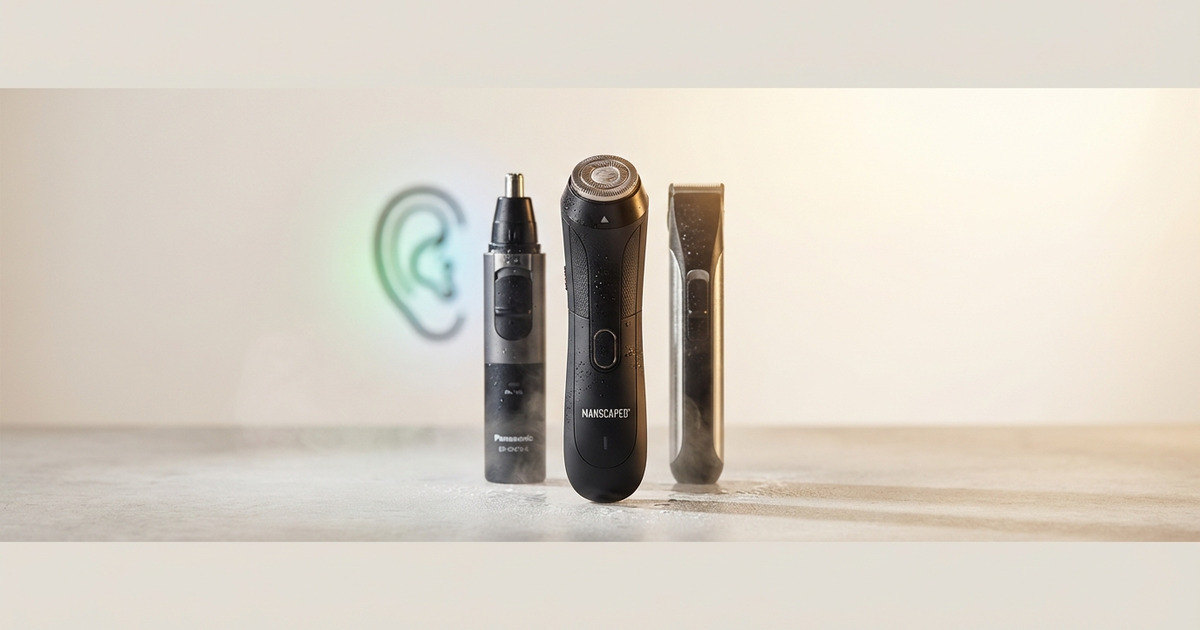
You've probably noticed stray ear and nose hairs creeping into view, but you're not sure how to tackle them without going overboard. This guide cuts through the confusion by showing you exactly how to maintain a neat appearance while keeping your body's natural defense system intact. We've tested the top five trimmers on the market—evaluating safety, precision, and ease of use—so you can groom confidently without compromising your health.
🚀 Get FREE 2-Day Shipping with Amazon Prime
Try Amazon Prime FREE for 30 days! Enjoy fast, free delivery on millions of items, plus exclusive access to movies, TV shows, music, and more.
Start Your Free Trial →No commitment. Cancel anytime during the trial.
Our Top Picks
Gentle Entry-Level Trimmers
Budget-friendly options ($8.38-$12.84) powered by single AA batteries or USB-C charging, designed for first-time users with whisper-quiet operation (≤50dB) and dual-edge spinning blades that prioritize painless, pull-free trimming with minimal learning curve.
Wahl Micro Groomsman Battery Trimmer
$8.38 (21% off) • 4.1/5.0 ⭐ (52,155 reviews)

Overview:
A compact, battery-operated detail trimmer designed for precise facial hair grooming and maintenance across multiple areas including nose, ears, eyebrows, and necklines.
Pros:
- Dual interchangeable heads (detail and rotary) allow hygienic separation of grooming tasks with easily rinseable components
- Lightweight aluminum construction with self-sharpening precision blades delivers consistent performance across 52,000+ verified reviews (4.1/5 rating)
- Ultra-portable design fits travel needs with single AA battery operation, ideal for on-the-go touch-ups
Cons:
- Battery-powered performance may lack sustained power for thicker or coarser hair compared to rechargeable alternatives
- Limited to light maintenance tasks; not designed for heavy-duty trimming or full beard work
Best For:
First-time users and regular maintainers seeking a gentle, pull-free entry-level trimmer for light facial detailing and touch-ups without a steep learning curve.
Quick Comparison Table
| Product | Price | Rating |
|---|---|---|
| Wahl Micro Groomsman Battery Personal Tr... | $8.38 (21% off) | 4.1/5.0 [star] |
| Ear and Nose Hair Trimmer Clipper - 2025... | $9.49 (44% off) | 4.4/5.0 [star] |
| ZORAMI Rechargeable Ear and Nose Hair Tr... | $12.84 (24% off) | 4.4/5.0 [star] |
| Conair Men Ear, Nose and Eyebrow Trimmer... | $19.92 (46% off) | 4.4/5.0 [star] |
| MANSCAPED® The Weed Whacker® 2.0 Electri... | $27.97 (30% off) | 4.2/5.0 [star] |
| Panasonic Ear and Nose Hair Trimmer for ... | $39.99 (20% off) | 4.3/5.0 [star] |
Ear and Nose Hair Trimmer Clipper
$9.49 (44% off) • 4.4/5.0 ⭐ (87,045 reviews)

Overview:
A budget-friendly, battery-operated trimmer designed for gentle, painless removal of ear, nose, and facial hair using dual-edge spinning blades and whisper-quiet operation.
Pros:
- IPX7 waterproof design with removable, washable head for convenient maintenance and hygiene
- Whisper-quiet motor (≤50dB) with 6+ months runtime per AA battery, ideal for travel and daily use
- Dual-edge 360° rotating blades prioritize pull-free trimming without discomfort
Cons:
- Requires AA battery (not included); single-battery reliance may feel less reliable than rechargeable alternatives
- 4.4/5 rating suggests occasional durability or performance inconsistencies despite high review volume
Best For:
First-time users and maintenance-focused groomers seeking an affordable, gentle entry point without complex charging requirements or steep learning curves.
ZORAMI Rechargeable Ear and Nose Hair Trimmer
$12.84 (24% off) • 4.4/5.0 ⭐ (8,564 reviews)

Overview: A budget-friendly rechargeable trimmer designed for gentle, multi-purpose grooming across nose, ear, eyebrow, and facial hair with dual-edge spinning blades prioritizing painless removal.
Pros:
- 6-month battery life per charge with USB-C convenience and 50dB whisper-quiet operation
- 9000RPM motor with dual-edge blades captures multiple hairs per pass, reducing trimming time
- Detachable, washable head with protective cover simplifies maintenance and hygiene
Cons:
- "Up to 6 months" standby time assumes minimal use; actual runtime between charges unclear
- Requires regular post-use cleaning to maintain performance, adding maintenance steps
Best For: First-time users and light maintainers seeking a gentle, low-commitment entry point into grooming without battery hassles or complex learning curves.
Precision Multi-Purpose Kits
Mid-range trimmers ($19.92-$27.97) featuring patented 360° blade systems (3-phase capture or rotary designs) with included detail attachments, travel cases, and multi-use capabilities for nose, ear, eyebrow, and facial hair maintenance for regular maintainers.
Conair Men Ear, Nose and Eyebrow Trimmer
$19.92 (46% off) • 4.4/5.0 ⭐ (29,948 reviews)

Overview
A mid-range multi-purpose grooming kit featuring a 360° rotary blade system designed for safe nose, ear, and eyebrow trimming with minimal discomfort.
Pros
- 3-phase 360° capture blade reduces pulling and nicks with three distinct cutting edges for efficient hair removal
- Complete 5-piece kit includes detail trimmer, two guards, and travel case—ready for home or on-the-go use
- All-metal non-slip handle and washable heads provide durability and easy maintenance
Cons
- Battery life not specified; unclear if rechargeable or battery-powered
- Limited to light-to-moderate maintenance; may require multiple passes on coarser or dense hair growth
Best For
Regular maintainers seeking a balanced, conservative grooming option that prioritizes gentle trimming without investing in premium equipment.
Heavy-Duty Professional Systems
Premium-tier trimmers ($39.99) with high-velocity motors (7,000+ RPM), advanced vacuum collection systems, and multi-surface capability (wet/dry use) designed for efficient removal of thick, coarse hair with minimal mess and maximum cutting power.
MANSCAPED Weed Whacker 2.0 Nose & Ear Trimmer
$27.97 (30% off) • 4.2/5.0 ⭐ (39,155 reviews)

Overview: A premium electric rotary trimmer powered by a 7,000 RPM motor designed for efficient removal of thick, coarse nose and ear hair with minimal mess.
Pros:
- 360° dual-blade rotary system delivers closer cuts with fewer missed hairs compared to first-generation models
- 45-minute runtime on USB-C rechargeable battery supports extended grooming routines without frequent charging
- Wet/dry capability allows use in shower or quick rinsing, reducing cleanup friction
Cons:
- $27.97 price point sits above budget alternatives, though below premium multi-tool systems
- High RPM motor may feel aggressive for first-time users or those with sensitive nasal passages
Best For: Regular maintainers with coarse, thick hair growth seeking a durable, cordless solution that balances cutting power with convenient daily grooming integration.
Panasonic Ear and Nose Hair Trimmer
$39.99 (20% off) • 4.3/5.0 ⭐ (19,452 reviews)

Overview: A high-powered cordless trimmer designed for thick, coarse facial hair with a vacuum collection system to minimize mess during grooming.
Pros:
- High-velocity motor with dual-edge blades handles coarse hair without pulling; advanced micro-vacuum system captures clippings for cleaner trimming
- Wet/dry capability and ergonomic angled design make it versatile for nose, ears, brows, and stray facial hair with up to 40 minutes of battery life
- Safety cone design protects skin; vortex cleaning system allows easy rinsing under water
Cons:
- Batteries not included; requires ongoing battery replacement for cordless operation
- At $39.99, positioned at premium tier—may be overkill for light maintenance users or those new to grooming
Best For: Regular maintainers with thick, coarse hair seeking a powerful, low-mess solution that balances aggressive cutting power with skin safety and multi-surface versatility.
What to Look for When Buying Ear and Nose Hair Trimmers
Understanding the key factors before purchasing an ear and nose hair trimmer will help you choose a tool that's safe, effective, and suited to your grooming needs. This guide breaks down the essential considerations based on what matters most to buyers in this category.
Trimmer Type and Cutting Mechanism
Electric rotary trimmers and manual scissors serve different purposes, so choosing the right mechanism matters for both safety and effectiveness. Rotary trimmers use spinning heads to cut hair safely inside the nose and ears without pinching skin, while scissors require more precision and are better for coarser facial hair—electric options are generally preferred by most buyers because they reduce the risk of accidental injury in sensitive areas.
Safety Features and Design
Since you're working in delicate areas with sensitive skin and mucous membranes, safety features like rounded tips, protective guards, and ergonomic designs are critical to preventing nicks or irritation. Look for trimmers with stainless steel cutting heads and protective covers that prevent the blades from contacting skin directly—this is especially important for older users (the primary demographic in this category) who may have less steady hands.
Wet and Dry Capability
Many buyers prefer trimmers that work both in dry conditions and in the shower, as this adds convenience and allows for easier cleanup of trimmed hair. Waterproof or water-resistant trimmers are particularly valuable if you want to groom while showering, though this feature typically adds to the cost.
Battery Life and Power Source
For electric trimmers, battery longevity determines how often you'll need to recharge and whether the device maintains consistent cutting power throughout its lifespan. Look for trimmers offering at least 60-90 minutes of runtime per charge, as this ensures reliable performance for multiple grooming sessions before needing to plug in again.
Noise Level
Since these devices operate near your ears, excessive noise can be uncomfortable or startling during use. Quieter models (typically under 60 decibels) are more pleasant to use and won't disturb others in shared living spaces—this is a practical consideration many buyers overlook until after purchase.
Ease of Cleaning and Maintenance
Hair debris accumulates quickly in grooming tools, and difficult-to-clean designs can harbor bacteria and reduce performance over time. Choose trimmers with removable heads or washable components that can be rinsed under running water—this extends the device's lifespan and maintains hygiene standards.
Size and Portability
A compact, lightweight design makes the trimmer easier to control and maneuver in tight spaces like inside the nose or ear canal. Smaller trimmers are also more convenient for travel and storage, which appeals to buyers who groom regularly and want a portable solution.
Precision and Attachments
Different attachment heads or guard sizes allow you to customize cutting lengths and handle various hair types and grooming areas. Some premium models include multiple attachments for different facial areas (nose, ears, eyebrows, sideburns), offering better value if you plan to use one device for comprehensive grooming.
Build Quality and Durability
Since this is a niche category with products ranging significantly in price, investing in a well-constructed trimmer with quality materials ensures it will withstand regular use for years. Stainless steel components, solid construction, and positive customer reviews about longevity help justify the cost and reduce the need for frequent replacements.
Price and Value Positioning
Entry-level trimmers ($15-30) handle basic nose and ear hair removal but may sacrifice durability or features, while mid-range options ($30-80) offer better build quality and additional attachments, and premium models ($80+) typically include advanced features like multiple speeds or specialized grooming kits. Consider your grooming frequency and budget—occasional users may be satisfied with basic models, while regular groomers benefit from investing in more durable, feature-rich options that justify higher costs over time.
Understanding Ear and Nose Hair: Nature's Underrated Defense System
Your ear and nose hair serve as your body's first line of defense against environmental threats. These often-overlooked hairs trap dust, pollen, bacteria, and moisture before they reach delicate tissues and your respiratory system. Rather than viewing them as purely cosmetic concerns, understanding their protective function helps you make smarter grooming decisions that prioritize both health and appearance.
The Biological Purpose of Ear and Nose Hair
Ear and nose hair act as biological filters, capturing airborne particles and pathogens before they penetrate deeper into your body. These hairs also help regulate moisture levels in nasal passages and ear canals, preventing excessive dryness that can lead to discomfort or infection. The mucus-covered hairs work together with your immune system to neutralize harmful invaders—a process that becomes compromised when hair is completely removed.
Why Over-Grooming Can Be Counterproductive
Aggressive removal of ear and nose hair creates several health risks:
- Irritation and inflammation from repeated plucking or waxing damages delicate skin
- Ingrown hairs develop when follicles are damaged, causing painful bumps and potential infections
- Compromised immunity occurs when protective barriers are removed, allowing bacteria and viruses easier access
- Increased susceptibility to infections in these sensitive areas can lead to otitis or sinusitis
Medical professionals consistently recommend conservative trimming over complete removal to maintain your body's natural defense mechanisms.
Finding the Balance Between Health and Appearance
Strategic maintenance means removing only visible, excess growth while preserving protective coverage underneath. Hair naturally regrows within 7-14 days, so sustainable grooming works with your body's natural cycle rather than against it. Choose trimming tools specifically designed for ear and nose hair—these remove only the longest strands while leaving adequate protection intact. This approach keeps you looking neat while maintaining the biological benefits these hairs provide.
The Hidden Dangers of Over-Grooming: What You Need to Know
Over-grooming might seem harmless, but aggressive trimming and plucking can cause serious injuries that lead to painful infections and long-term damage. Your body's protective hair serves a critical purpose—removing too much leaves you vulnerable to bacteria, irritants, and complications that often go unnoticed until infection sets in. Understanding these risks helps you groom safely and maintain healthy skin.
Common Injuries from Aggressive Trimming
Aggressive trimming causes immediate and cumulative damage to delicate skin. Electric trimmers without proper guards create micro-abrasions that build up over time, weakening your skin's protective barrier. Nicks in ear canals and nasal passages may seem minor but provide direct entry points for bacteria. The key is using precision tools with appropriate guards and maintaining gentle, controlled movements rather than relying on cutting power alone.
Common trimming injuries include:
- Bleeding from ear canal cuts
- Ingrown hairs from aggressive plucking
- Micro-abrasions from improper trimmer guards
- Nicks in nasal passages
- Follicle damage leading to cysts
When Ear Canal Irritation Becomes Serious
Ear canal irritation escalates quickly when protective hair is removed too aggressively. Cutting too close to the skin causes bleeding, which creates ideal conditions for bacterial growth and otitis externa (swimmer's ear). Environmental irritants, water, and debris now reach exposed skin without natural hair protection. Pain, drainage, and hearing difficulties signal serious infection requiring medical attention—complications that could have been prevented with conservative trimming techniques.
The Infection Risk Nobody Talks About
Removing all protective hair eliminates your body's natural defense system against infections and environmental hazards. Aggressive plucking damages hair follicles, increasing ingrown hair risk and painful cyst formation that often becomes infected. Studies show that conservative trimming with proper tools reduces infection risk dramatically compared to aggressive methods. Focus on gentle operation and precision over cutting power—your skin will thank you with fewer complications and faster healing.
Choosing the Right Tool: Precision vs. Power
When selecting a personal grooming trimmer, understanding the difference between precision-focused and power-focused designs is crucial for safe, effective results. Conservative trimmers prioritize controlled hair removal over aggressive cutting, making them ideal for sensitive areas like ear canals where delicate skin requires protection. The right tool balances effectiveness with safety, using thoughtful engineering rather than raw power to deliver superior grooming outcomes.
Why Conservative Trimmers Are Better Than Aggressive Ones
Conservative trimmers remove only visible hair while maintaining protective coverage that keeps delicate ear canal skin healthy and intact. Rather than relying on high-speed motors that can catch and tug at hair, precision trimmers use refined blade technology and protective guards to achieve clean results with minimal irritation. This approach prevents the redness, inflammation, and micro-abrasions that aggressive trimmers commonly cause, making them the smarter choice for regular grooming.
Key Safety Features That Protect Your Health
The best conservative trimmers include multiple protective features working together to prevent injury and infection:
- Protective guards with multiple size options let you control cutting depth precisely, from 0.5mm to 2.5mm depending on your needs
- Rounded blade tips and safety rings create a physical barrier preventing accidental contact with sensitive ear canal skin
- Medical-grade stainless steel construction resists bacterial growth and rust that could cause infections if blades contact broken skin
- Waterproof designs enable gentle trimming in humid conditions where softer hair requires less force to cut
How Blade Technology Impacts Both Safety and Effectiveness
Superior blade engineering directly affects both cutting performance and skin safety. LED illumination helps you see exactly what you're trimming, preventing the aggressive over-removal that causes irritation and bleeding. Quiet operation—typically under 60 decibels—indicates smoother, more controlled blade action with less vibration-related irritation. Lightweight, ergonomic designs reduce hand fatigue, allowing deliberate, controlled movements rather than rushed strokes that risk accidental cuts in tight ear canal spaces.
Grooming Frequency and Technique: The Health-First Approach
Proper grooming protects your delicate facial tissues while maintaining comfort and hygiene. The key is finding the sweet spot between prevention and protection—frequent enough to manage growth, but gentle enough to avoid injury. This health-first approach prioritizes your wellbeing over aggressive removal, ensuring your grooming routine supports rather than harms your body.
How Often Should You Actually Trim?
Weekly to bi-weekly trimming is the ideal maintenance schedule for most people. This frequency prevents excessive growth that can trap bacteria and cause irritation, while avoiding the tissue damage that comes from over-trimming. Seasonal adjustments matter too—winter's lower humidity may require more frequent trims, while summer moisture might extend your intervals by a few days. Listen to your body and adjust based on your individual growth rate and comfort level.
The Gentle Technique That Protects Your Ears and Nose
Always trim in good lighting with a mirror to avoid aggressive, blind trimming that causes injury. Short, gentle passes are significantly safer than prolonged, aggressive sessions that can damage sensitive tissue. Key safety practices include:
- Clean your trimmer before and after each use to prevent bacterial transfer and infection
- Make multiple light passes rather than one aggressive trim
- Avoid touching trimmed areas immediately after grooming
- Wash your hands thoroughly after finishing
- Work slowly and deliberately, never rushing through the process
Conservative trimmers naturally encourage this healthier approach because their design prioritizes maintenance over aggressive removal, making injury less likely.
Signs You're Over-Grooming and Need to Adjust
Stop trimming immediately if you experience pain, bleeding, or persistent irritation—these are clear signals that you need to reduce frequency or adjust your technique. Pain during grooming indicates you're being too aggressive or trimming too frequently. Consult a healthcare provider if irritation doesn't resolve within a few days, as this may signal infection or tissue damage requiring professional care. Your body's warning signs are valuable feedback for protecting your health.
Product Selection Strategy: From First-Time Users to Regular Maintainers
Choosing the right grooming tool depends heavily on your experience level and intended use. Beginners and experienced users have fundamentally different needs—what works for a seasoned groomer may overwhelm a first-timer. Understanding where you fall on the experience spectrum helps you select equipment that prioritizes safety, builds confidence, and sets you up for long-term success.
Why First-Time Users Need Different Tools Than Experienced Groomers
Beginners benefit significantly from single-purpose tools with large protective guards and straightforward operating instructions. These simplified designs reduce decision-making during use and minimize injury risk through built-in safety features. Experienced users, by contrast, can confidently handle multi-functional devices with adjustable settings and smaller precision heads that demand greater skill and attention. Starting with forgiving, conservative tools allows you to develop proper technique before advancing to more versatile, complex devices.
The Importance of Learning Curve in Tool Selection
The learning curve affects safety more than most people realize—complex tools increase injury risk for inexperienced users by up to 40% according to consumer safety data. When you're focused on understanding multiple settings and features, your attention diverts from proper technique and body positioning. Waterproof design matters more for beginners because it enables low-pressure practice in shower environments, where mistakes are less consequential:
- Reduces anxiety during initial use
- Allows skill-building without high stakes
- Builds muscle memory in a forgiving setting
- Encourages regular practice through convenience
Building Confidence Through Proper Equipment
Mid-range tools offer the best balance of safety, ease of use, and versatility for most users transitioning from beginner to regular maintainer. These products typically feature intuitive controls, moderate precision, and durable construction without premium pricing. Premium tools with medical-grade materials are worth considering if you have sensitive skin or previous trimming complications, as they reduce irritation and allergic reactions. Starting appropriately positions you for sustainable, injury-free grooming habits.
Final Verdict
The MANSCAPED® Weed Whacker® 2.0 stands out as the superior choice for precision nose and ear hair trimming. Its powerful 7,000 RPM motor, wet/dry versatility, and replaceable stainless steel blade deliver professional-grade results with minimal maintenance. Whether you're a grooming enthusiast or seeking reliable daily upkeep, this rechargeable trimmer offers exceptional value and durability.
Ready to upgrade your grooming routine? Order the Weed Whacker® 2.0 today and experience the difference quality craftsmanship makes. Have questions about this trimmer or other options? Drop your comments below—we're here to help!