Keep Your Hands Warm in Winter
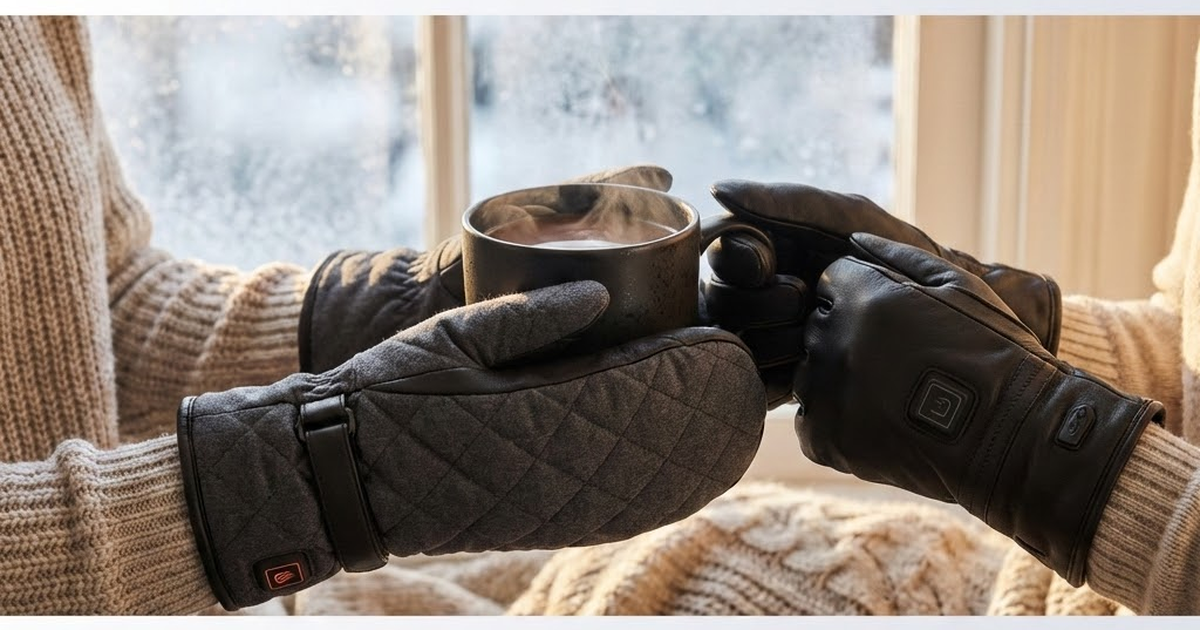
There's nothing worse than stepping outside on a freezing winter morning only to have numb, aching hands within minutes—but it doesn't have to be this way. This guide breaks down the hand-warming solutions that actually work, from insulated gloves and mittens to chemical and reusable hand warmers, across different budgets and lifestyles. You'll discover what insulation technologies deliver real warmth, which products work best for touchscreen use, and five expert-recommended options to match your winter routine. By the end, you'll know exactly which solution fits your needs without forcing you to choose between warmth and functionality.
🚀 Get FREE 2-Day Shipping with Amazon Prime
Try Amazon Prime FREE for 30 days! Enjoy fast, free delivery on millions of items, plus exclusive access to movies, TV shows, music, and more.
Start Your Free Trial →No commitment. Cancel anytime during the trial.
Our Top Picks
SAVIOR HEAT Heated Ski Gloves Battery Powered
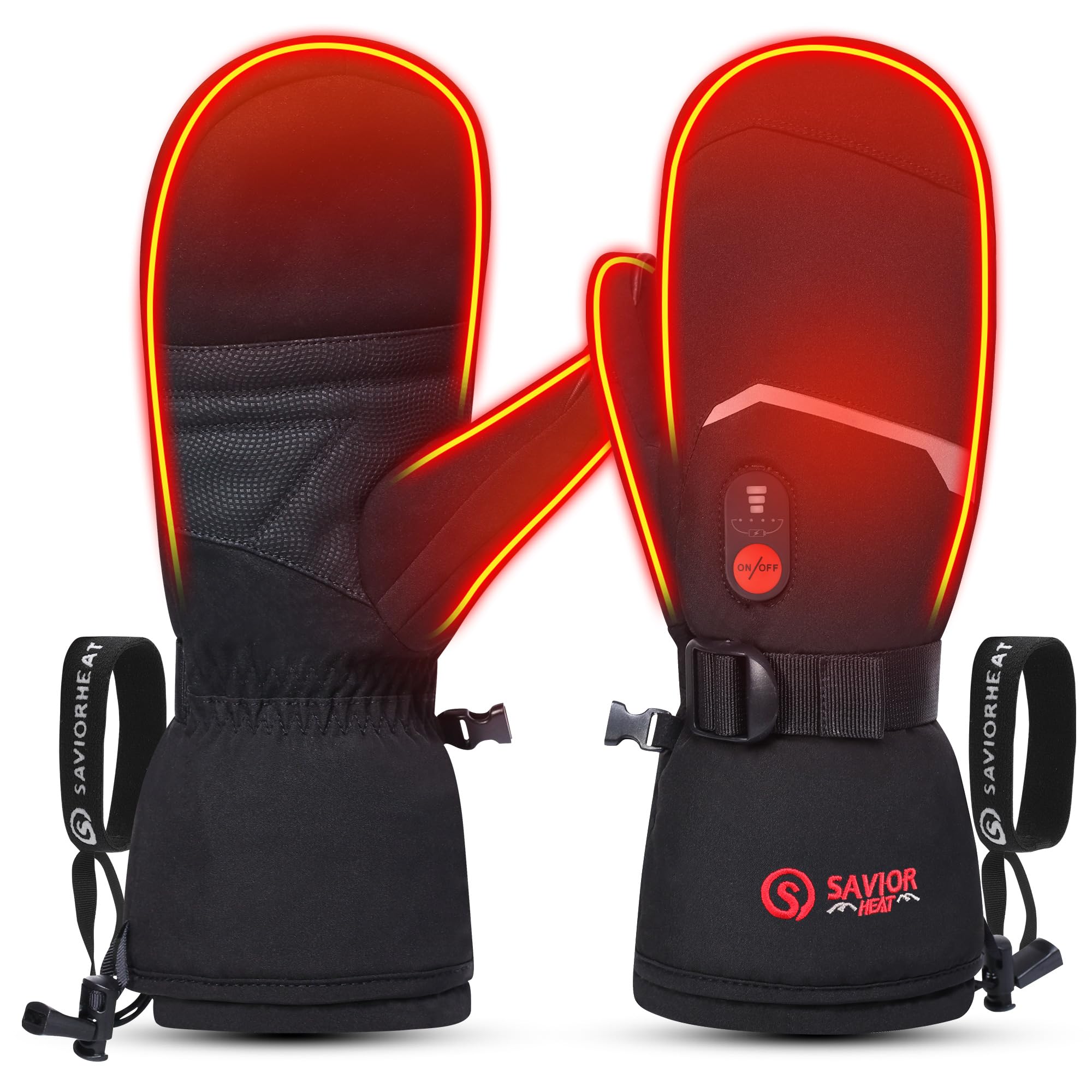
Overview: Battery-powered heated mittens designed to keep hands warm during winter sports, outdoor activities, and cold-weather commuting.
Pros:
- Up to 12 hours of warmth per charge with dual 7.4V 3000mAh batteries, outperforming standard 5V models
- Enhanced heating coverage with 20% more heated elements in thumbs and new palm heating wires
- Fast 2-hour dual-port charging keeps you ready for back-to-back outdoor days
- Wide size range (XXS–XXL) accommodates men, women, and children
Cons:
- $129.99 price point is higher than basic winter gloves, though standard for heated options
- Battery performance may vary based on heat setting and outdoor temperature conditions
Best For: Serious winter sports enthusiasts and outdoor workers who need reliable, extended hand warmth during full-day activities in cold climates.
Quick Comparison Table
| Product | Price | Rating | Reviews |
|---|---|---|---|
| SAVIOR HEAT Heated Mittens Battery Ski G... | $129.99 | 4.3/5.0 ⭐ | 1,135 |
| SAVIOR HEAT Heated Gloves for Men Women,... | $142.99 | 4.2/5.0 ⭐ | 3,162 |
| Electric Heated Gloves for Men & Women, ... | $103.99 | 4.2/5.0 ⭐ | 544 |
| SNOW DEER Heated Mittens for Men and Wom... | $111.99 | 4.1/5.0 ⭐ | 607 |
SAVIOR HEAT Rechargeable Heated Gloves
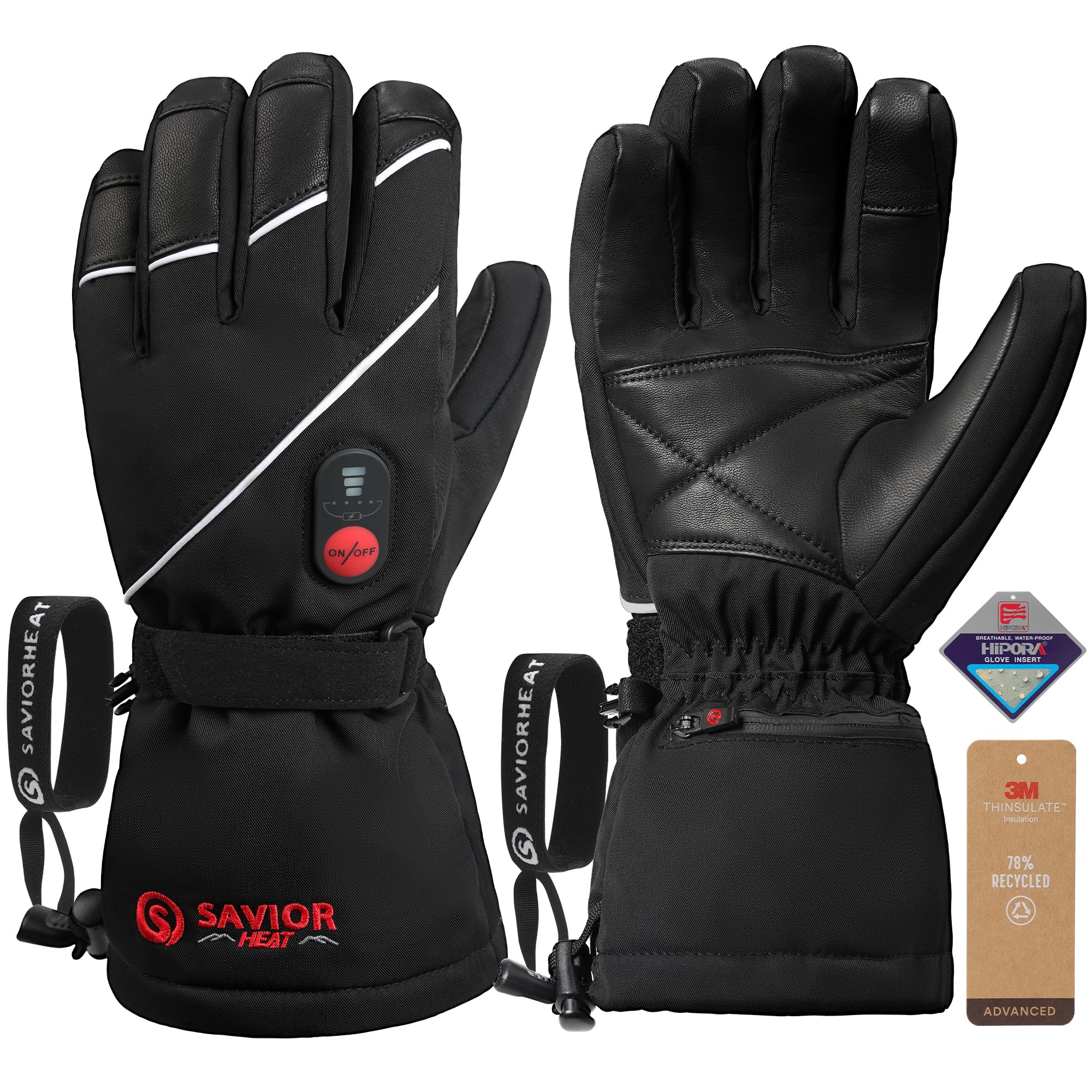
Overview: Battery-powered leather gloves with heating elements throughout the hand, designed for winter sports, outdoor work, and cold-weather activities.
Pros:
- Fast 2-hour charging with 7.4V battery delivers 2-12 hours of warmth depending on heat setting
- Full-hand heating coverage with 3M Thinsulate insulation rated for -5°F conditions
- Waterproof HIPORA membrane and goatskin leather palm provide grip and durability for varied outdoor use
Cons:
- $142.99 price point is significantly higher than passive insulated gloves or chemical hand warmers
- Battery longevity and performance degradation over multiple charge cycles not specified by manufacturer
Best For: Outdoor enthusiasts and workers who regularly spend extended periods in extreme cold and need reliable, hands-free warmth without frequent reheating.
Electric Heated Gloves with Rechargeable Battery

Overview: Battery-powered gloves designed to keep hands warm during winter activities like skiing, snowboarding, and outdoor work in cold climates.
Pros:
- Fast heating with elements reaching 150℉ in 10 seconds; high-capacity 3000mAh battery lasts up to 10 hours on low setting
- Three adjustable heat levels with one-key operation for customizable warmth
- Touchscreen-compatible thumb and index finger allow phone use without removing gloves; waterproof zipper protects battery from snow
Cons:
- At $103.99, significantly more expensive than passive insulated gloves or chemical hand warmers
- Battery runtime drops considerably on high setting (duration not specified); requires regular charging between outings
Best For: Outdoor workers and winter sports enthusiasts in extremely cold conditions who prioritize extended warmth and convenience over cost.
SNOW DEER Heated Mittens with Touchscreen

Overview: Battery-powered heated mittens designed for winter sports and cold-weather activities, featuring touchscreen compatibility and automatic safety temperature controls.
Pros:
- Wide heating coverage across hand back and fingertips with five-layer insulation for effective warmth retention
- Automatic safety mode switches from high to medium heat after 5 minutes, reducing burn risk during extended wear
- Touchscreen-compatible design allows phone use without removing gloves
Cons:
- Price point at $111.99 is premium compared to standard winter gloves; battery longevity not specified in product details
- 4.1/5 rating suggests some users experience durability or heating consistency issues despite 607 reviews
Best For: Skiers, winter sports enthusiasts, or outdoor workers with poor circulation who prioritize hand warmth and safety features over budget-friendly options.
What to Look for When Buying Hand-Warming Products
Insulation Material Quality
The type of insulation directly determines how effectively a product retains heat and how long it will keep your hands warm. Look for materials like Thinsulate, fleece, or down alternatives that trap air effectively while remaining lightweight—these perform better than thin cotton or basic polyester blends, especially in temperatures below freezing.
Heat Source Type (Active vs. Passive)
Understanding whether you need passive insulation (gloves/mittens) or active heating (chemical warmers/electric gloves) depends on your activity level and climate severity. Passive options work well for moderate cold and active movement, while chemical hand warmers and heated gloves are essential for extreme temperatures or stationary outdoor work where your hands aren't generating movement-based warmth.
Temperature Rating and Climate Compatibility
Products should specify their effective temperature range so you can match them to your local winter conditions. A product rated for -10°F won't perform adequately in -30°F weather, so check these specifications against your typical winter temperatures to avoid buying something that won't actually keep you warm.
Grip and Dexterity Features
Bulky insulation can make it difficult to use phones, tools, or perform detailed tasks, so look for products with textured palms, touchscreen-compatible fingertips, or convertible designs (mittens that flip back to expose fingers). This factor matters because cold hands are only useful if you can actually function and maintain control of what you're holding.
Moisture Management and Water Resistance
Sweat and snow melt can reduce insulation effectiveness dramatically, so seek products with moisture-wicking linings and water-resistant outer shells. This prevents your hands from becoming damp, which causes heat loss and discomfort—a critical issue if you'll be active outdoors or handling wet materials.
Durability and Seam Construction
Check that seams are reinforced and materials are high-quality, since poor construction fails quickly in cold weather when fabrics become brittle. Products with double-stitched seams and premium materials last multiple seasons, making them better long-term investments than cheaper alternatives that deteriorate after one winter.
Fit and Sizing Accuracy
Hand-warming products must fit properly to be effective—too loose and heat escapes, too tight and circulation is restricted. Always check detailed sizing charts and read reviews mentioning fit, as oversized gloves defeat their purpose while undersized ones can actually worsen cold-related problems by cutting off blood flow.
Ease of Use and Maintenance
Consider how practical the product is for your lifestyle—chemical warmers need to be activated and replaced, reusable warmers need charging or boiling, and some gloves require special washing. Choose options that fit your daily routine; if you won't bother maintaining them properly, they won't perform when you need them.
Understanding Winter Hand Warmth: The Science Behind Comfort
How Insulation Actually Works
Insulation works by trapping tiny air pockets within material fibers, creating a barrier that slows heat transfer from your warm hands to the cold environment. These air gaps are poor conductors of heat, meaning they resist temperature change rather than generating warmth themselves. The thicker the insulation layer and the more efficiently it traps air, the longer your hands stay warm. Think of it like a thermos—the insulation doesn't create heat; it simply prevents the heat you already have from escaping.
Insulation Materials Explained: Synthetic vs. Down vs. Fleece
Thinsulate
- Best for: Extreme cold and maximum warmth-to-weight ratio
- How it works: Creates dense air pockets in thin layers, providing 1.5x more warmth than down of equal thickness
- Limitation: Can feel stiff and reduces tactile sensitivity; less breathable in active use
PrimaLoft
- Best for: Wet conditions and versatile winter activities
- How it works: Synthetic fibers mimic down's loft while repelling moisture better than natural down
- Limitation: Slightly less warm than premium down in dry conditions; degrades over 5-10 years of heavy use
Down
- Best for: Lightweight packability and maximum warmth in dry cold
- How it works: Natural clusters trap air efficiently and compress for easy storage
- Limitation: Loses 80-90% of insulating power when wet; expensive; requires careful maintenance
Fleece
- Best for: Moisture-wicking mid-layer and budget-friendly options
- How it works: Polyester fibers create air pockets while allowing vapor to pass through
- Limitation: Provides minimal insulation alone; best used as a base layer under outer gloves
The Warmth-Dexterity Trade-Off
The core challenge in winter glove design is that warmth and fine motor control are inversely related. Heavily insulated gloves (3-5mm thickness) keep hands warm in -20°F conditions but make tasks like texting, buttoning, or handling small objects frustrating or impossible. Conversely, thin gloves (1-2mm) allow precise finger movement but fail in temperatures below 30°F. The sweet spot for most users is a mid-weight glove (2-3mm) with strategic reinforcement—extra insulation on the palm and back of hand while keeping fingertips thinner for touchscreen compatibility and dexterity.
Moisture Management: The Often-Overlooked Factor
Most people focus on insulation thickness but overlook moisture's devastating impact on warmth. Wet insulation loses 50-70% of its effectiveness because water conducts heat 25 times faster than air. This is why a damp glove at 40°F feels colder than a dry glove at 20°F. Quality winter gloves include moisture-wicking inner linings (merino wool or synthetic blends) that pull sweat away from skin, keeping hands dry during active use. Outer shells with water-resistant coatings prevent external moisture from penetrating, while breathable membranes (like Gore-Tex) allow vapor to escape without letting rain in.
Dry Cold vs. Wet Conditions: Material Performance Comparison
Different materials excel in different winter conditions. Down and Thinsulate perform exceptionally well in dry, extreme cold but become liabilities in snow or sleet. PrimaLoft and fleece maintain 60-70% of their insulating value when damp, making them ideal for unpredictable weather. Merino wool linings actively regulate moisture and maintain warmth even when slightly wet, while synthetic materials dry quickly but offer less temperature regulation. For wet climates (Pacific Northwest, coastal regions), prioritize moisture-resistant shells and synthetic insulation. For dry, cold climates (mountain regions, northern plains), down or Thinsulate offer superior warmth per ounce.
Key Features That Make the Difference
Touchscreen Compatibility: Why It's Now Essential
Gone are the days when removing gloves to check your phone was optional—touchscreen-enabled gloves are now a practical necessity for modern users. Whether you're navigating GPS during winter hikes, checking messages in cold weather, or managing smart devices outdoors, the ability to use your phone without exposing bare skin prevents frostbite risk and maintains workflow efficiency. Most quality winter gloves now incorporate conductive thread or special coatings on fingertips, making this feature standard rather than luxury. For anyone spending extended time outdoors in cold climates, touchscreen compatibility has become as essential as insulation itself.
Waterproofing vs. Water-Resistance: Understanding the Difference
These terms are often confused, but they represent vastly different levels of protection. Water-resistant coatings repel light moisture and rain for a limited time, but eventually water penetrates the fabric—ideal for brief exposure or light drizzle. Fully waterproof membranes like Gore-Tex, however, create a complete barrier that blocks water while allowing sweat vapor to escape, keeping hands dry during heavy snow, sleet, or extended wet conditions. The key difference:
- Water-resistant: Temporary protection; suitable for light rain or snow
- Waterproof membranes: Complete protection; essential for serious winter sports or prolonged wet conditions
- Price difference: Waterproof gloves typically cost 30-50% more but last significantly longer
Choose waterproof membranes if you'll face heavy precipitation or extended outdoor use; water-resistant coatings work for casual winter activities.
Grip Technology and Dexterity Solutions
Textured palms and specialized grip technology transform cold-weather functionality by maintaining control when hands are numb and dexterity is compromised. Silicone or rubber texturing on palms increases friction, allowing secure handling of tools, ski poles, ice axes, and even small objects like zippers or buttons. Some premium gloves feature reinforced grip zones that extend across the entire palm and fingers, while others use microfiber patterns that work even when wet. This matters because traditional smooth glove linings become dangerously slippery when wet or icy, potentially causing accidents during critical tasks like climbing or equipment handling.
Thermal Linings and Breathability
Moisture-wicking linings prevent the dreaded "cold, clammy hand" problem that makes gloves feel colder than bare hands. When sweat accumulates inside gloves, it reduces insulation effectiveness and causes rapid heat loss through evaporation—the opposite of what you want. Quality thermal linings use materials like merino wool or synthetic moisture-wicking fabrics that pull sweat away from skin toward the outer layers, where it evaporates. Breathable construction prevents moisture buildup, maintaining consistent warmth and comfort during extended use. This is why premium gloves often feel warmer despite thinner insulation compared to non-breathable alternatives.
Heated Elements: Active Warmth Technology
Battery-powered heated gloves provide active warmth for extreme conditions, but come with trade-offs worth understanding. Most quality heated gloves offer 4-8 hours of battery life on medium settings, with heat concentrated in palms and fingers where it matters most. They typically cost $100-300+ compared to $30-80 for insulated gloves, making them a significant investment. Heated gloves excel for:
- Extended stationary activities (ice fishing, outdoor work)
- Severe cold conditions (-20°F and below)
- Users with poor circulation or chronic cold sensitivity
For active sports like skiing or hiking, traditional insulated gloves usually suffice—heated gloves add unnecessary weight and bulk when you're generating body heat through movement.
Wrist Closures: Preventing Critical Heat Loss
The wrist area is a critical heat-loss point often overlooked in glove design, yet proper closure can significantly extend overall warmth. Adjustable wrist closures—whether elastic cuffs, velcro straps, or gauntlet-style extensions—create an airtight seal that prevents cold air from entering and warm air from escaping. Extended cuffs that overlap jacket sleeves are particularly effective, as they eliminate the gap where cold air typically penetrates. A well-sealed wrist can improve overall glove warmth by 15-20%, making this seemingly minor feature a major functional difference between adequate and excellent cold-weather gloves.
Finding Your Perfect Fit: Hand Size, Comfort, and Durability
Proper glove fit is the foundation of warmth, comfort, and safety. Ill-fitting gloves compromise insulation effectiveness and can lead to cold hands, blisters, and reduced dexterity. This guide helps you navigate sizing, avoid common mistakes, and invest in gloves built to last.
Sizing Across Brands and Avoiding Common Fit Mistakes
How to Measure Your Hand and Read Sizing Charts
Start by measuring your hand circumference around the knuckles (excluding the thumb) using a soft measuring tape. Write down the measurement in both inches and centimeters, as brands vary in their standards. Most sizing charts list small (7-8"), medium (8-9"), and large (9-10"), but always cross-reference with brand-specific charts since there's no universal standard—a medium from Brand A may fit differently than Brand B.
Common fit problems and solutions:
- Too loose: Cold air circulates inside, defeating insulation. Causes: sizing up for layering or relying on stretchy materials. Solution: Choose proper size and layer underneath instead.
- Too tight: Restricts blood flow to fingertips, paradoxically making hands colder. Causes: sizing down for a "snug" feel. Solution: Tight gloves should allow one finger's width of movement at the fingertip.
- Poor thumb positioning: Thumb sits too high or low, causing discomfort during gripping. Causes: inconsistent thumb gusset placement across brands. Solution: Try gloves on and make a fist—your thumb should align naturally with your hand's anatomy.
Comfort for Extended Wear
Comfort during extended wear depends on fit precision, material breathability, and internal padding placement. A properly fitted glove allows natural hand movement without pressure points, while strategic padding in high-friction areas (palm heel, knuckle) prevents fatigue and blistering. Test gloves by wearing them for at least 15-20 minutes indoors before committing—your hands will tell you if circulation feels restricted or if seams rub awkwardly against your skin.
Key comfort indicators:
- Fingertips have slight wiggle room (approximately 1/4 inch)
- Palm feels snug but not compressed
- No red marks or pressure points after 20 minutes of wear
- Wrist closure secures without cutting off circulation
Durability and Longevity: What Determines Product Lifespan
Material quality directly impacts how long gloves last—budget gloves using thin synthetic fabrics often fail within one season, while premium options with reinforced construction last 3-5 years. Examine seam construction (double stitching lasts longer than single), reinforced areas at high-stress points (thumb crotch, palm), and material weight (heavier doesn't always mean better, but flimsy materials wear through quickly). Proper care extends lifespan significantly: hand-wash in cool water, air-dry completely, and store in a dry location away from direct heat.
Durability markers to inspect before buying:
- Double or triple-stitched seams throughout
- Reinforced patches on palm, thumb, and fingertips
- Material weight of 200+ grams (indicates substantial construction)
- Brand warranty of 1+ year (signals manufacturer confidence)
Price Ranges and What You Actually Get
Understanding glove pricing helps you invest wisely rather than waste money on repeated replacements. The right price point depends on your climate, usage frequency, and sensitivity to cold—not just your budget. Let's break down what each tier genuinely delivers.
Budget Options ($8-25): Best Uses and Real Limitations
Budget gloves work fine for occasional winter errands and mild climates where temperatures stay above 20°F. However, they typically feature thin synthetic insulation, minimal water resistance, and seams that leak after a few washes. These gloves are perfect for:
- Quick trips to the mailbox or car
- Regions with occasional light snow
- Backup pairs you don't mind losing
- Testing different styles before investing more
Real limitation: Most budget gloves lose effectiveness after 1-2 seasons of regular use, meaning you'll replace them annually—negating any savings.
Mid-Range Sweet Spot ($25-80): Balancing Performance and Value
Mid-range gloves deliver the best value for most people who experience regular winters. This price tier includes quality insulation (thinsulate or equivalent), genuine water-resistant materials, and reinforced stitching that survives multiple seasons. You'll notice:
- Hands stay warm in 0-15°F conditions for 2-3 hours
- Durable enough for 3-5 years of regular use
- Better grip and dexterity than budget options
- Realistic cost-per-wear of $1-3 annually
A $50 pair lasting four years costs just $12.50 per year—far cheaper than replacing $15 budget gloves annually.
Premium and Heated Solutions ($80-300+): When Higher Investment Makes Sense
Premium gloves justify their cost through advanced insulation technology, superior craftsmanship, and professional-grade durability. Heated gloves ($150-300+) add battery-powered warmth for extreme conditions. Invest here if you:
- Live in climates regularly dropping below -10°F
- Work outdoors for extended periods
- Have poor circulation or Raynaud's syndrome
- Spend significant time in wet, windy conditions
Premium gloves last 5-10 years with proper care, making the cost-per-wear comparable to mid-range options while providing noticeably better performance and comfort.
Matching Solutions to Your Winter Lifestyle
Finding the right winter gloves depends on how you spend your cold months. Different activities demand different features, and what works perfectly for a daily commute may fall short on a ski slope. This guide helps you identify which glove characteristics matter most for your lifestyle, so you can invest wisely without overspending on unnecessary features.
Daily Commuters: Balancing Style, Function, and Affordability
Commuters need gloves that look polished while handling everyday winter tasks without breaking the bank. Touchscreen compatibility is essential—look for mid-range options ($25-$50) with conductive fingertips so you can use your phone without removing gloves. Prioritize sleek designs that coordinate with professional outfits, water-resistant materials for light snow exposure, and enough insulation for typical 15-30 minute outdoor exposure. Brands in the $30-$45 range offer excellent style-to-function ratios, delivering aesthetic appeal without premium pricing.
Outdoor Enthusiasts: Performance-First Considerations
Outdoor enthusiasts should invest in quality gloves designed for extended exposure and demanding conditions. Premium gloves ($60-$120) justify their cost through superior durability and specialized features that enhance your experience:
- Dexterity: Thinner, form-fitting materials for better grip on equipment and natural movement
- Weather resistance: Waterproof membranes and reinforced palms withstand harsh conditions and frequent use
- Durability: High-quality stitching and materials resist tears from rocks, branches, and repeated wear
Spending more upfront means your gloves last multiple seasons, ultimately saving money compared to replacing cheaper options annually.
Cold-Sensitive Individuals: When Heated Gloves Become Essential
For those with poor circulation or extreme cold sensitivity, heated gloves ($80-$200) transform winter from uncomfortable to enjoyable. Battery-powered heating elements maintain hand temperature even in conditions where standard insulation fails, reducing numbness and pain. The premium pricing reflects the technology cost, but users report dramatically improved quality of life during winter months. If cold hands currently limit your outdoor time, heated gloves often prove worth the investment by enabling activities you'd otherwise avoid.
Winter Sports Athletes: Specialized Requirements
Winter athletes need gloves engineered for specific sports with features that standard winter gloves simply don't provide. Consider these sport-specific priorities:
- Moisture-wicking: Sweat management during high-exertion activities prevents hand chilling and maintains grip
- Extreme cold performance: Insulation rated for -20°F or below, often with specialized materials like PrimaLoft or down
- Sport-specific design: Ski gloves feature reinforced palms; climbing gloves offer superior grip; snowboarding gloves include wrist support
Quality athletic gloves ($70-$150) are essential investments that directly impact performance and safety during intense winter sports.
The Multi-Glove Solution
Many people discover they need different gloves for different scenarios. A commuter might own lightweight touchscreen gloves for daily use and heavier insulated gloves for weekend hiking. Athletes often maintain separate pairs for training versus competition. Assess your actual winter activities—don't assume one pair handles everything. Strategic investment in 2-3 specialized pairs often delivers better overall value than one mediocre all-purpose option.
Frequently Asked Questions
What's the difference between water-resistant and waterproof gloves?
Water-Resistant vs. Waterproof Gloves
Water-resistant gloves have protective coatings that repel moisture temporarily but eventually let water through—they're fine for light snow or brief wet exposure. Waterproof gloves use advanced membranes like Gore-Tex that block water while letting sweat escape, making them essential for heavy snow, sleet, or extended wet conditions. Waterproof gloves cost $30-50 more, but the investment is worth it if you're in snowy or slushy climates; dry, cold regions only need water resistance. Choose based on your specific environment: dry and cold? Water-resistant is enough. Snowy and wet? Go waterproof.
Conclusion
The SAVIOR HEAT Heated Mittens stand out as the best choice for anyone needing reliable warmth during cold-weather activities. With rechargeable batteries, adjustable heat settings, and versatile design for skiing, camping, and hiking, these mittens deliver exceptional comfort and durability. They're equally suited for arthritis sufferers seeking pain relief and outdoor enthusiasts facing harsh conditions.
Ready to keep your hands warm this season? Order your SAVIOR HEAT mittens today and experience the difference quality heated gear makes. Have questions about sizing or features? Drop a comment below—we're here to help!